Daryna was barely 21 when Russia launched its full-scale invasion of Ukraine. Now 25, the Kyiv resident has come of age in a country at war, her days shaped by air raid alerts, power outages and nights spent sheltering in the subway. Nearly five years into the conflict, she says, she is holding on to what has become a dystopian version of a normal life.
Some foreigners imagine tanks rolling through Kyiv, she says, while others see her posts on social media, the gym sessions, the books, the weekends out, and assume she lives like any other young European. 'But my life is not normal at all,' she insists.
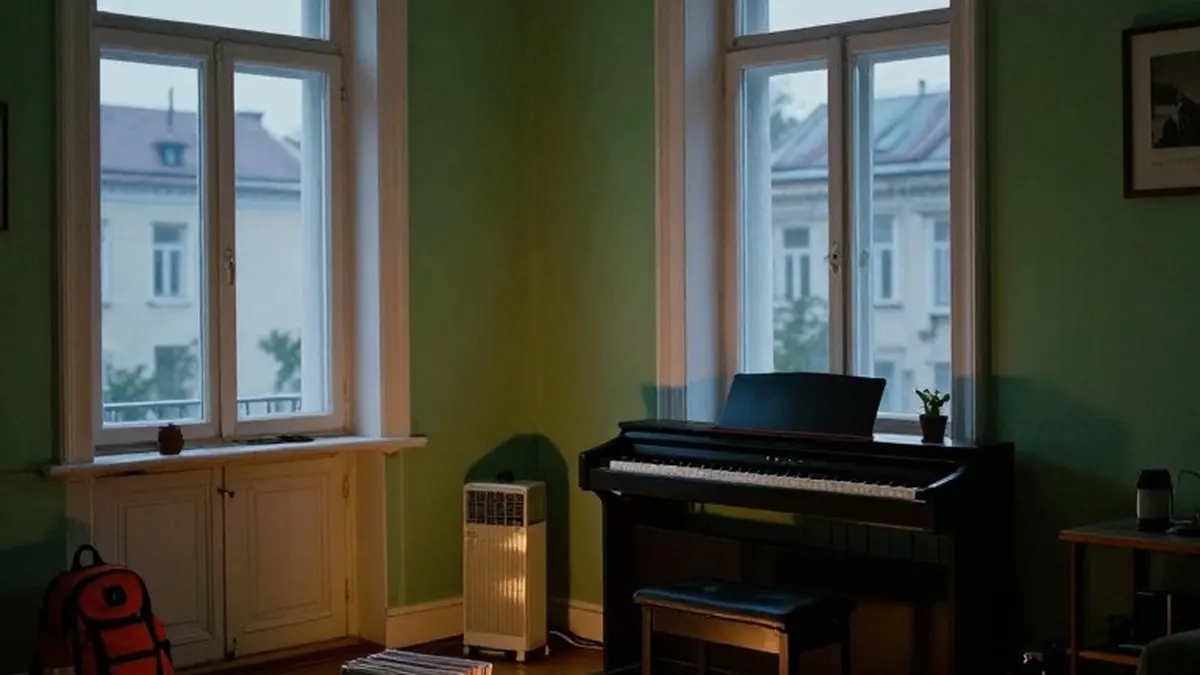
Daryna, a cybersecurity journalist who works from home, lives in a 19th-century building in the bohemian Podil district. She chose the apartment, she says, because it was beautiful and historic, a world away from the Soviet-era blocks she grew up in as a child in Rivne, in northwestern Ukraine. The living room, with green walls, holds art books, novels, copies of The New Yorker, an electric piano and a vinyl collection stacked in a wooden crate.
Surrounding herself with beauty is a deliberate choice. When the war began she bought fewer things, afraid of losing them, but eventually concluded she needed more possessions to make the apartment feel like home. The thought of losing it all in an explosion still makes her deeply sad. A friend's apartment a few streets away was recently damaged when a drone crashed into the garden and blew out the windows. 'Honestly, I think being a glazier is probably the most profitable business in Ukraine right now,' she jokes.
Her phone interrupts with a shrill alert: a yellow warning, meaning Kyiv is being targeted by drones. Red alerts, she explains, signal a risk of missile attack. The authorities recently split the two categories, which she calls useful because it tells people how worried they should be. The alerts can come at any hour and last from minutes to several hours, announced by sirens across the city. She has slept in her walk-in closet, her bathtub and now mostly in her hallway, considered the safest spot, after part of her ceiling fell on her head one night during an explosion.
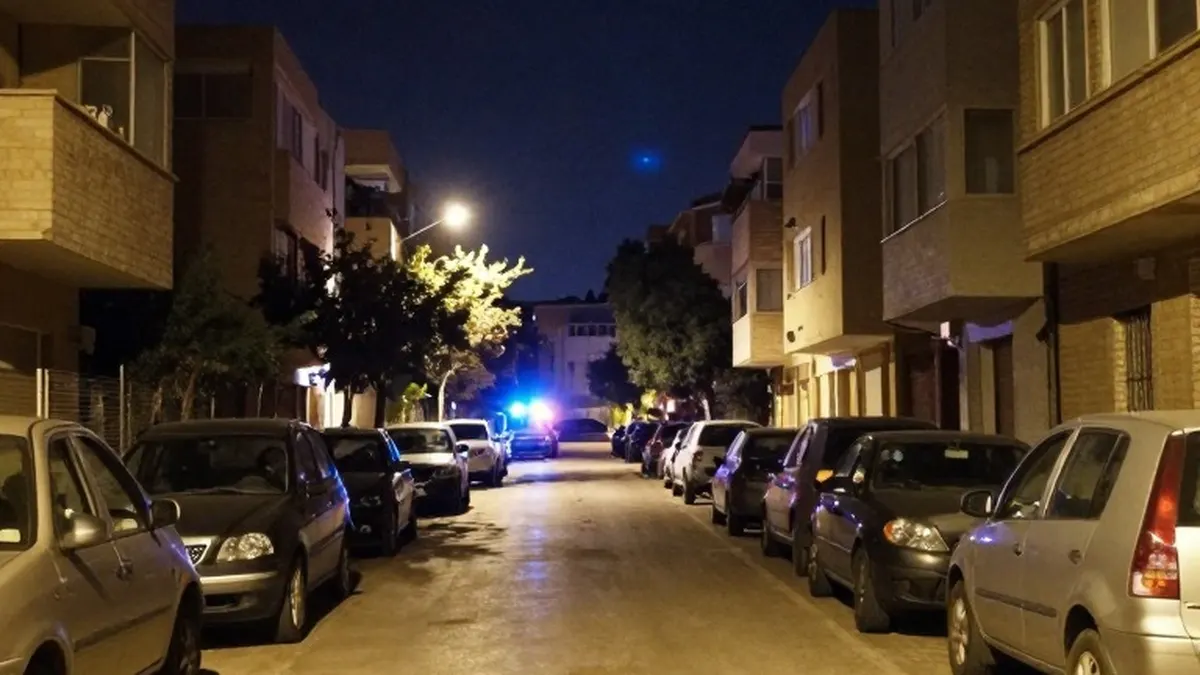
On October 21, Russia fired three waves of 21 missiles at Kyiv, hitting residential buildings, energy infrastructure and shopping centres. Residents fled to shelters, underground parking garages and subway stations, or huddled at home as the walls shook. Kyiv has become nearly as dangerous as cities closer to the front line, part of what is described as a deliberate Kremlin strategy to sow panic in a capital it failed to capture in 2022. Many residents no longer react to the sirens at all, an attitude that unsettles outsiders but helps mask a very real threat.
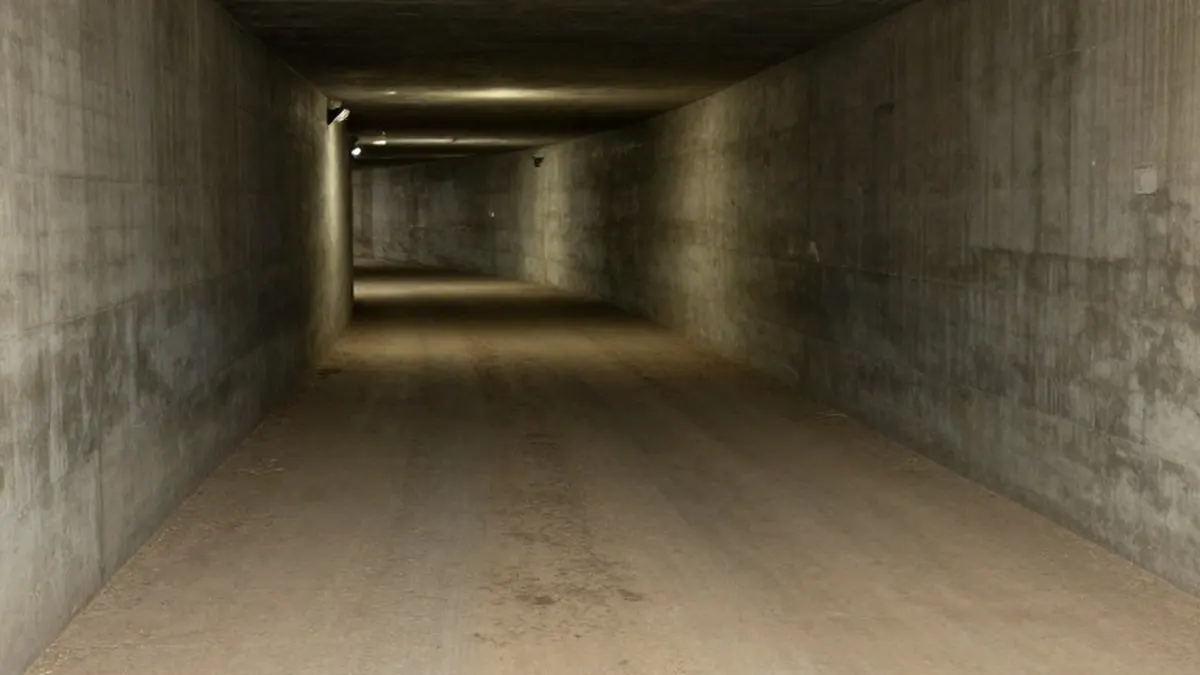
Like almost every Ukrainian, Daryna has spent nights in the metro. She keeps an emergency bag permanently packed with ID documents, cash, snacks, water, a blanket and a small pillow, and usually carries a book she never reads. 'But just having it with me makes me feel better,' she says. Residents head underground before curfew and wait for metro services to end before settling in, competing for space on busier nights amid phone calls on speaker and alarm clocks going off.
Power cuts are a daily reality in Kyiv, with rolling blackouts that rarely follow their schedules. A few days before speaking with reporters she had electricity for only two hours in a 24-hour stretch. The winter of 2025-2026 was the harshest since the invasion began, with temperatures falling to minus 27 degrees Celsius in the capital and minus 30 elsewhere. Daryna had no heating; the temperature inside her apartment dropped to 9 degrees. 'I genuinely thought I was going to freeze to death,' she says, recalling a promise to herself that it would be her last winter in Kyiv, a promise she did not keep.
She now relies on a headlamp to put on makeup, candles, a rechargeable lamp and a portable power station that cost more than 57,000 hryvnias, around 1,300 euros, to keep her router and devices running. When forced to choose, she charges her electric piano first. Playing during outages, she says, lets her do something purely for herself. 'In Ukraine, we have this expression: war-life balance,' she says. 'It's become a cliché by now, but we still use it because finding that balance between war and life is incredibly important.'
Daryna does not believe in a ceasefire with Russia, not while Vladimir Putin remains in power, and she doubts her generation will ever have a normal life. 'War takes so much from you,' she says. 'Part of your personality disappears. You become an entirely different person.' Asked about the future, she says planning is impossible: 'I don't even know how my evening will end. That depends entirely on how effective our air defences are.'