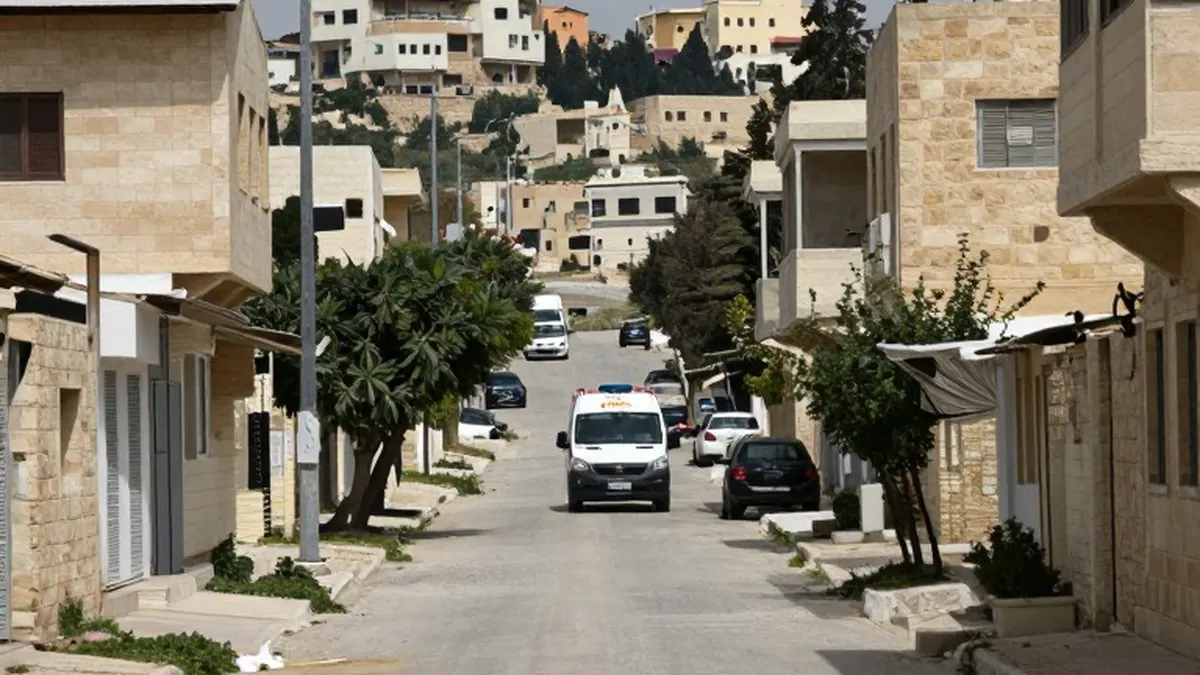
A woman was fatally stabbed in the central Arab town of Tira, allegedly by her partner, police said on Saturday, November 7. Medics pronounced her dead at the scene. Police also said the suspect had been taken to a hospital, where his condition was described as moderate.
Hebrew-language media reports suggested that the stabbing followed an altercation between two men. According to those accounts, the woman intervened in the confrontation and was then stabbed. An unnamed relative who spoke to the Walla news site identified the men involved in the fight as brothers.
The relative described the woman as a 40-year-old teacher and said she had attempted to separate the two men. The relative also alleged that both brothers beat her. That account of the confrontation was reported by Walla, while police identified the woman's partner as the suspected perpetrator of the fatal stabbing.
Reports said the partner had been arrested. Whether the second brother had also been detained remained unclear. The account provided by the relative and the media reports described the woman's attempt to intervene as preceding the fatal attack.
The killing came as the Michal Sela Forum reported that 18 women had been killed by family members this year. The organization was established by Lili Ben Ami after her sister was murdered by her partner on Rosh Hashanah in 2019.
In a statement carried by Hebrew-language media, Ben Ami addressed the barriers women face in Arab society. She said those circumstances must not lead to acceptance of violence that turns a home, which should offer safety, into the site of a killing.
Ben Ami called for access to measures that could save lives, coupled with firm enforcement and effective deterrence. She argued that a murderer should understand that the consequences would extend to losing his freedom, children, property and reputation. Her statement urged action both to protect women and to make the repercussions of such crimes clear.
She also appealed directly to members of the public to remain alert and respond when intervention might prevent a death. Urging people to pay attention to what they see and hear rather than remain bystanders, Ben Ami said: “Timely intervention can save lives.”