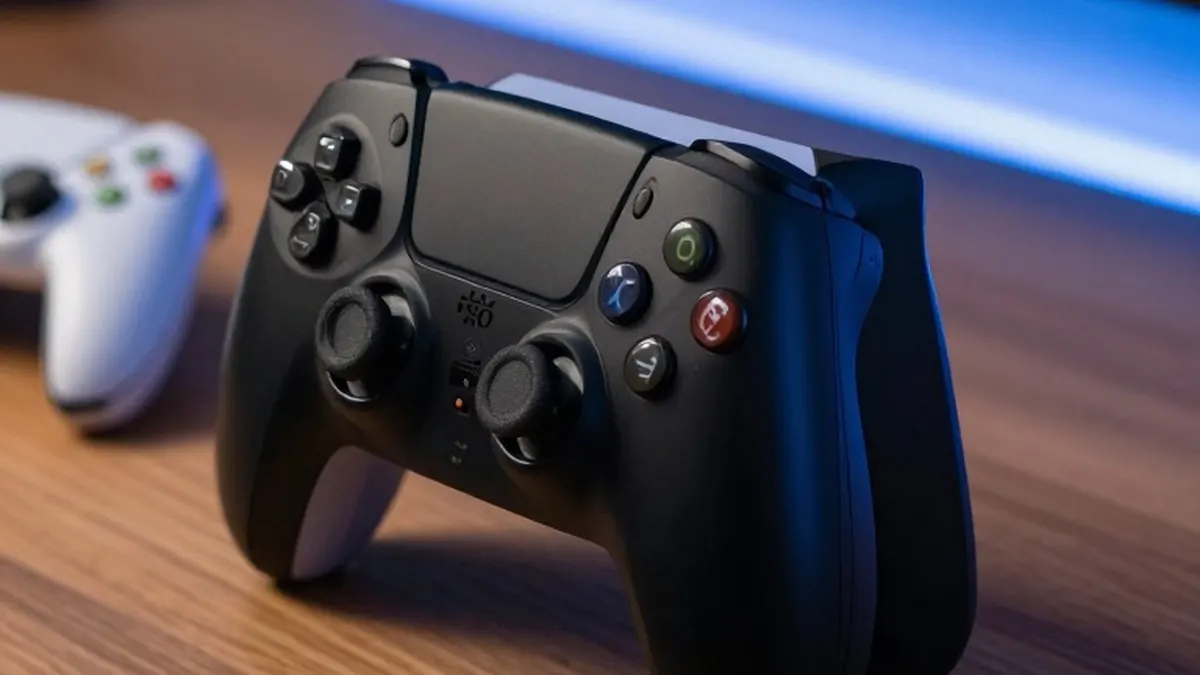
Microsoft is marking the 25th anniversary of the Xbox brand, a milestone that arrived on November 12, 2026. The original console launched in 2001, challenging the dominance of Sony and Nintendo with a design that leaned heavily on familiar personal computer technology. Two decades and five years later, the brand faces a similar strategic crossroads, requiring a radical shift to remain relevant in a crowded market.
The initial Xbox stood out by utilizing a custom Intel Pentium III processor, an Nvidia GPU, and 64MB of unified RAM. Unlike competitors who relied on fully custom architectures, Microsoft used standard PC components to attract developers. The system also featured a built-in hard drive and an Ethernet port, innovations that allowed for digital content caching and anticipated the move toward broadband internet. These features paved the way for Xbox Live, which launched in 2002 and defined the modern online gaming experience with features like voice chat and integrated multiplayer services.
Subsequent generations introduced further innovations. The Xbox 360 expanded the platform with wireless controllers, backward compatibility, and digital downloads. It also introduced Kinect in 2010, a motion-sensing device that became a fast-selling consumer product. However, the Xbox One era brought significant missteps. By focusing on TV entertainment and always-online features, Microsoft alienated some gamers. Price increases and digital rights management restrictions led to backlash, causing the console to trail behind the PlayStation 4 in sales for much of its lifecycle.
In response, Microsoft launched Xbox Game Pass in 2017, a subscription service that changed the economics of game ownership. The company pursued aggressive acquisitions, including Bethesda and Activision Blizzard, to bolster its library. While Game Pass is a key differentiator, questions remain about its long-term profitability and subscriber growth. Currently, the Xbox Series X and S consoles lag behind the PlayStation 5 in sales, and cloud gaming has yet to reach its full potential.
Microsoft is now implementing a significant restructuring of the Xbox division. The company plans to reduce overall headcount by 20 percent by the end of its fiscal year in June 2027. Xbox CEO Asha Sharma stated that the future of gaming will resemble its beginning, where small teams with bold ideas could change the industry. This reset coincides with preparations for the next console, codenamed Project Helix.
Project Helix is designed to run both native Xbox games and PC titles, effectively combining the Windows and Xbox ecosystems. The console will support every Xbox game ever made through backward compatibility. This approach aims to open the platform to a wider library and appeal to consumers choosing between a traditional console and a gaming PC. However, analysts note that Microsoft must overcome the challenge of making these features exciting to consumers who already have access to Xbox games on other platforms.
Market conditions add to the complexity. The current hardware industry is facing cost pressures from rising component prices, particularly memory. Experts suggest that innovation in cost structure is vital for Xbox to maintain its presence. Some propose that allowing PC manufacturers to build Xbox hardware could be more effective than relying on expensive flagship consoles.
Industry observers point out that while Microsoft holds valuable intellectual property, many franchises have lost momentum due to years of mismanagement. Jon Clarke, editor-in-chief of DayOne, noted that Xbox has a strong ecosystem with consumer-friendly features, but these are not always flashy enough to generate excitement. Jez Corden, executive editor at Windows Central, emphasized the need for Microsoft to invest in its franchises to maintain existing audiences and find new ones.
Microsoft is celebrating the anniversary with an event in Seattle, launching Xbox Playback, a personalized feature for players to review their history. The timing is considered awkward by some, as rumors suggest additional layoffs may occur this month. Despite the challenges, the company views this moment as an opportunity to make another bold bet on the future of gaming.
The company is also navigating other technological shifts. Recent developments include the rollout of Automatic Super Resolution for handheld devices, a new Outlook security patch, and the expansion of Sysinternals tools to Linux and macOS. Additionally, Microsoft is reportedly winding down a cloud AI deal with Oracle, signaling a broader adjustment in its AI infrastructure strategy.