Anthony Albanese begins a series of international engagements with a Commonwealth summit in Antigua and Barbuda on Saturday, as his government faces controversies over grant funding and persistent economic pressures at home. Analysts say the diplomatic schedule could offer an opportunity to regain political momentum, although a likely interest rate increase threatens to complicate that effort.
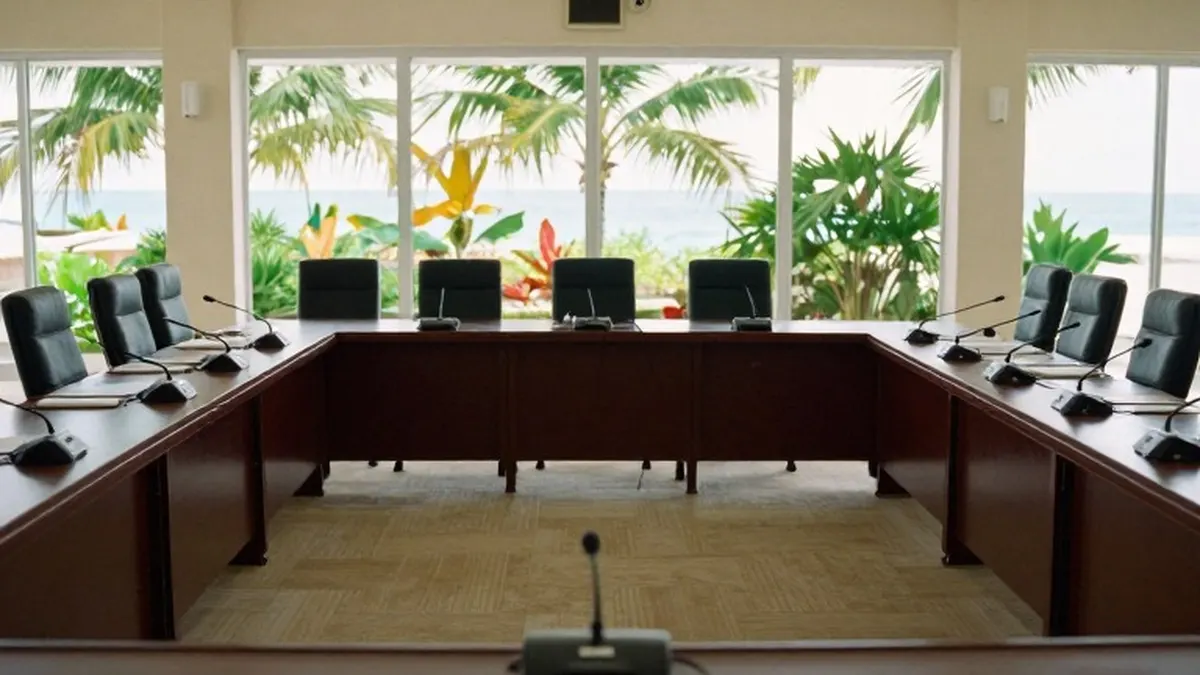
The prime minister will attend the biennial Commonwealth heads of government meeting, known as Chogm, and meet King Charles III, British prime minister Andy Burnham and Canadian prime minister Mark Carney. Dr Zareh Ghazarian, an associate professor of politics at Monash University, said the gathering could help Albanese shift the debate by taking a more prominent role internationally.
Ghazarian described the trip as strategically important at a time when the prime minister was confronting several domestic problems. Appearing alongside other national leaders, he said, could give Albanese a chance to reset the political discussion. That opportunity comes with a significant complication: the Reserve Bank will announce its next interest rate decision on Tuesday while Albanese is abroad.
Markets expect the bank to raise rates to 4.85% after inflation came in above expectations. Such a decision would mark the fifth increase of 2026, adding to the difficulties facing the prime minister and treasurer as cost-of-living pressures continue. Before departing on Saturday morning, Albanese defended the Commonwealth meeting’s relevance, saying it allowed close partners to address climate change, ocean preservation, trade, investment and the growth of artificial intelligence.
The legacy of slavery is expected to be a contentious subject at the summit. Caribbean nations have renewed demands for a British apology and reparations over Britain’s role in the trade in enslaved people, with those calls accompanying the King’s Caribbean tour. Writing in the Guardian, Burnham argued that confronting difficult questions was necessary for the Commonwealth’s future.
Burnham expressed sorrow and regret over the suffering caused by the transatlantic slave trade and acknowledged its continuing effects. He said he was willing to consider calls for a formal apology from the British state, but opposed reparations as the response. His article described the treatment of enslaved people as property and the deadly conditions in which they were forced to work.
Australia also has a history relevant to those discussions. During the 19th and early 20th centuries, its agricultural industries depended heavily on blackbirding, which used coercion, deception, bribery and kidnapping to bring more than 60,000 Pacific Islanders to Australia as indentured labourers. Most worked on Queensland sugar and cotton plantations.
Albanese’s Commonwealth visit precedes summits in Turkey, the Philippines, China and the United States in the coming weeks. Foreign affairs minister Penny Wong is meanwhile attending the G20 foreign ministers’ meeting in Atlanta, Georgia. Russia’s participation has overshadowed the opening, with about a third of attending countries pledging to avoid the customary group photograph if Russian foreign minister Sergei Lavrov takes part.