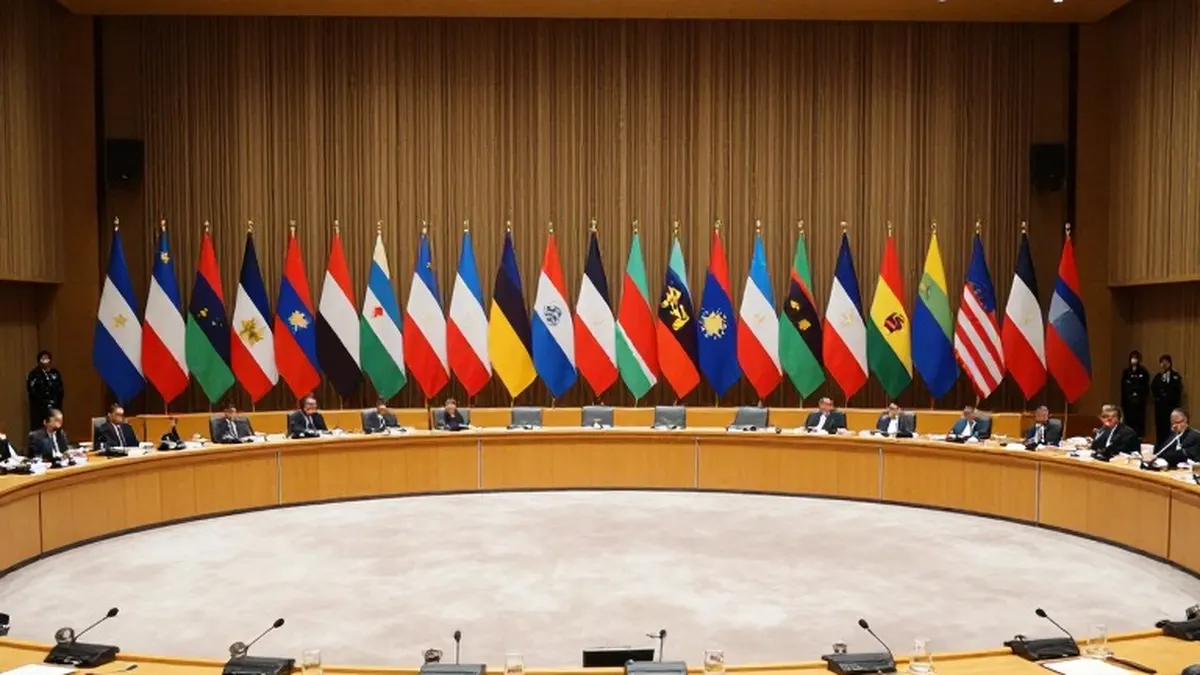
Southeast Asian leaders are gathering in the Philippines this week for a summit of the ASEAN economic bloc, as the region struggles with oil shortages linked to the US-Israel war on Iran and with economic pressure from the rivalry between Washington and Beijing.
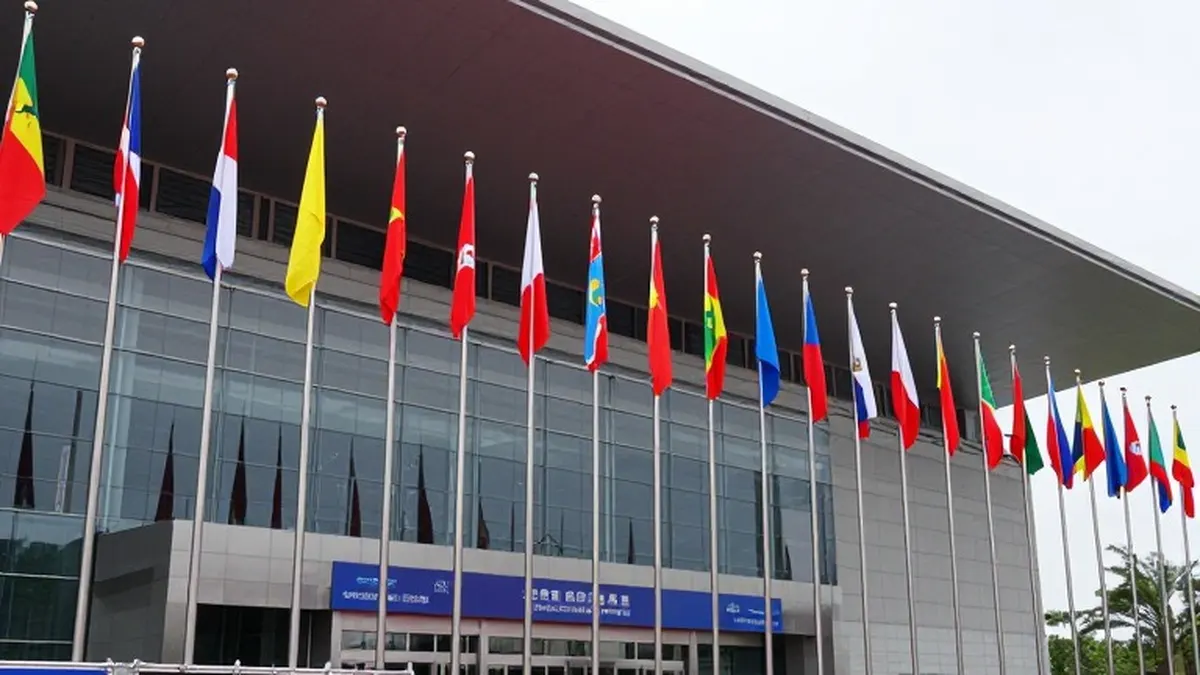
The Manila summit runs from November 15 to 17 and is expected to be the bloc's final meeting of the year. The Association of Southeast Asian Nations groups Indonesia, Malaysia, the Philippines, Singapore, Thailand, Brunei, Vietnam, Laos, Myanmar, Cambodia and East Timor. Its nearly 694 million people make up about 8.4 percent of the world's population. The bloc aims to establish a single market, though it cannot impose decisions on its members.
The guest list extends well beyond the region. US President Donald Trump is expected to hold a special summit with ASEAN members on November 17 and a one-on-one meeting with Philippine President Ferdinand Marcos Jr, before travelling on to China for the Asia Pacific Economic Cooperation meeting on November 18 and 19. Indian Prime Minister Narendra Modi, Canadian Prime Minister Mark Carney, Brazilian President Luiz Inacio Lula da Silva and Russian Foreign Minister Sergey Lavrov are also attending. Lula's trip is the first by a sitting Brazilian president to the Philippines, while Lavrov's visit follows a Russia-ASEAN summit held in July.
The energy crisis hangs over the talks. The war on Iran has disrupted oil and gas supplies from Middle Eastern suppliers, hitting the Philippines, Vietnam and Malaysia hardest. Manila declared a state of national energy emergency in March. Millions of ASEAN citizens live and work in the Middle East, where the conflict threatens their safety and incomes, and governments worry the fighting could spill into the Strait of Malacca, the narrow waterway between Indonesia, Malaysia and Singapore.
Trade is another central concern. ASEAN countries have faced tariff increases of 10 to 12.5 percent from the United States since the start of Trump's second term, pushing the bloc to deepen commercial ties with other partners.
Territorial disputes in the South China Sea will also feature. China, Taiwan and four ASEAN members, namely Brunei, Malaysia, the Philippines and Vietnam, have been locked in decades of standoffs over the waterway, which is believed to hold undersea oil and gas deposits. Negotiations on a code of conduct with China began in 2005 and have often stalled, though the two sides agreed in 2023 to accelerate the work. At least 10 rounds of talks have been held this year under Malaysia's lead, but analysts doubt a final agreement will emerge this week, meaning discussions could stretch into next year.
The summit also confronts tensions between two of its own members. Armed clashes between Thailand and Cambodia broke out late last year along an 800km contested border and over claims to sacred sites such as the Preah Vihear Shiva temple. At least 150 people were reported killed and nearly one million displaced. A ceasefire has held since December after intervention by ASEAN members, China and the US, but the border dispute remains unresolved and the bloc wants more dialogue and third-party observers.
Myanmar's civil war, which has worsened the Rohingya refugee crisis, remains high on the agenda. Rebel forces, including ethnic-based armed groups, have fought the military government since the February 2021 coup. ASEAN has limited Myanmar's participation in major summits to non-political representatives, and the five-point peace plan launched in April 2021 has failed to ease the violence or the humanitarian crisis.
Leaders will also address cross-border haze from months of wildfires in drought-hit Indonesia, which have burned an estimated 2.88 million hectares and caused at least 3,500 deaths. The smoke has affected Malaysia, the Philippines, Singapore and East Timor. Jakarta has faced criticism over its response but says thousands of responders have been deployed.