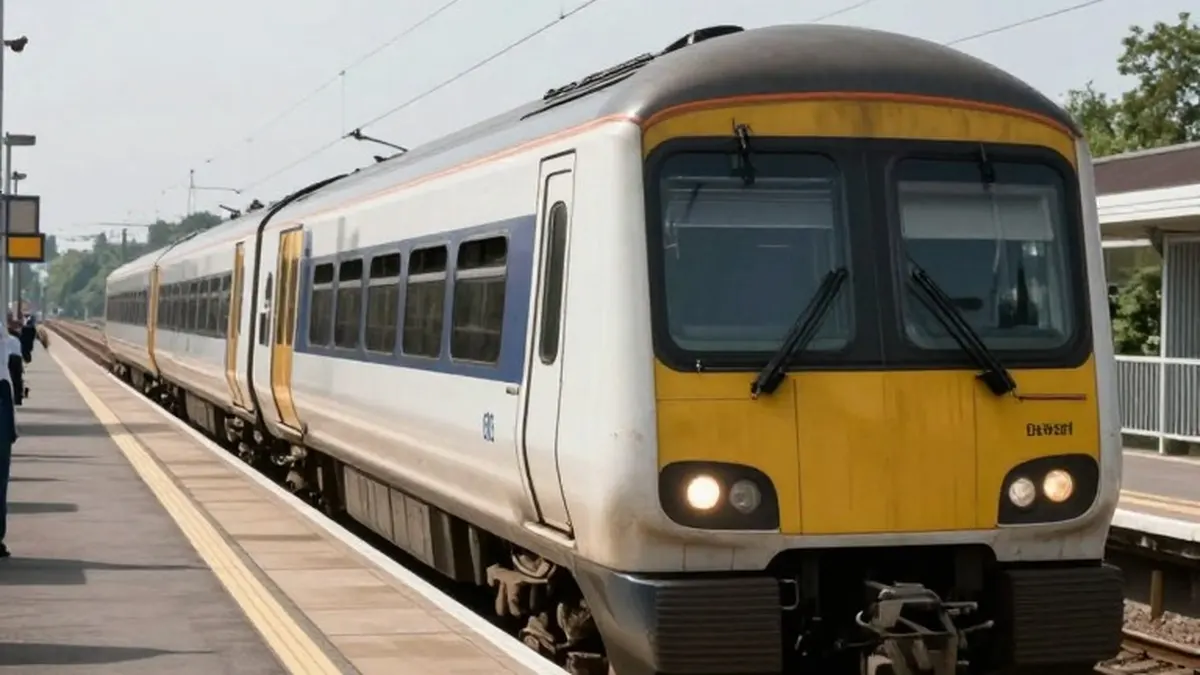
Avanti West Coast paid passengers more than £20m in compensation for disrupted journeys over three months this summer, with £9.3m paid during the four weeks ending 25 July alone. That four-week total was close to the operator’s annual profit in each of the previous two years. Payments over the following eight weeks reached another £12.2m.
Avanti has been the railway’s largest payer of delay compensation, although its refunds had not previously reached this scale. Department for Transport figures covering all operators show that compensation totalled £150m in 2024-25, an increase of 8% on the preceding year. Avanti accounted for £40.5m, or about 27%. Its payments exceeded £50m in 2025-26 and are expected to pass £70m this financial year. Most operators have yet to publish their payouts for this year.
July brought significant disruption as heatwaves affected the network. Office of Rail and Road figures show that fewer than half of Avanti services arrived on time that month, with passengers experiencing an average delay of 19 minutes. The period with the highest compensation payments also included several hours of disruption one Tuesday after a large herd of cows entered the tracks.
Avanti apologised to affected customers and said it was working with industry partners to improve reliability and punctuality. The company said it was directly responsible for only 23% of delays between May and August, attributing most to Network Rail or other operators, alongside external causes such as trespassing. It also said it offered automatic compensation for journeys delayed by at least 15 minutes.
The industry’s growing compensation bill reflects higher fares and greater awareness of passenger rights as well as service disruption. Claims are increasingly automated, and some operators issue repayments proactively. Long-distance services generally generate the largest payouts because tickets cost more and delays are more likely to reach the 60-minute point at which fares are refunded in full. Avanti and GWR offer comparatively generous terms, paying 25% of the fare for delays from 15 minutes.
GWR and LNER were the next largest payers in 2025, refunding £29.7m and £28m respectively. GWR, which connects Wales and the south-west with London, attributed much of this year’s increase to repeated heatwaves. It cited track defects, points failures, speed restrictions and problems cooling trains. The operator also said it had increased publicity for compensation through onboard announcements and social media disruption updates. LNER, whose London-Scotland services use the east coast mainline, compensates passengers after 30 minutes and did not supply updated financial figures.
Across Great Britain, passengers submitted 9.1m compensation claims in 2026, almost 10% more than a year earlier, according to the rail regulator. Four out of five claims were approved. Department for Transport research indicates that roughly half of passengers affected by disruption seek compensation, while satisfaction with the process and its outcomes is increasing. Most operators settle more than 99% of claims within 20 days.
Under the contracts introduced since the pandemic, operators receive government fees rather than relying on ticket revenue, leaving taxpayers to bear profits or losses from fares and refunds. Avanti is scheduled to enter public ownership in 2027 as part of Great British Railways. The Department for Transport said it was addressing the causes of disruption and promised a simpler compensation service under Great British Railways, available wherever passengers buy tickets.