Immersive entertainment technology company Cosm is expanding quickly, betting that audiences will pay premium prices to watch films and live sports inside its massive domed venues. The company, whose name combines "cosmos" and "colosseum," began by programming planetariums before turning its giant curved screens toward courtside-style sports broadcasts and some of Hollywood's best-known films.
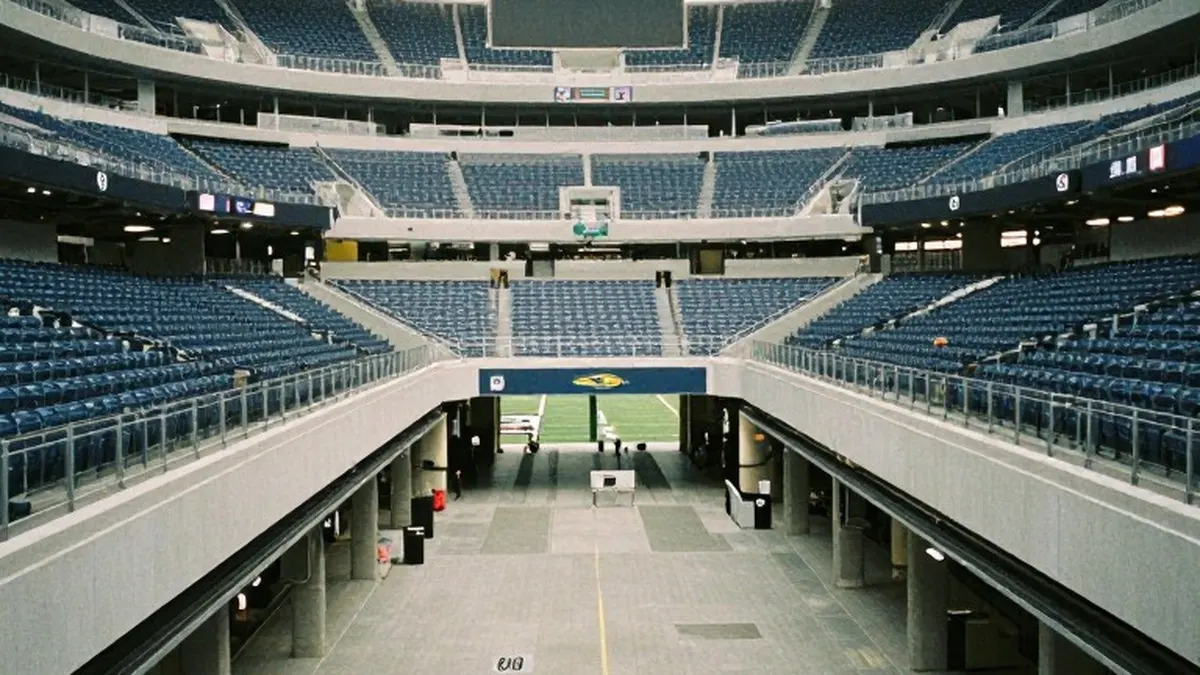
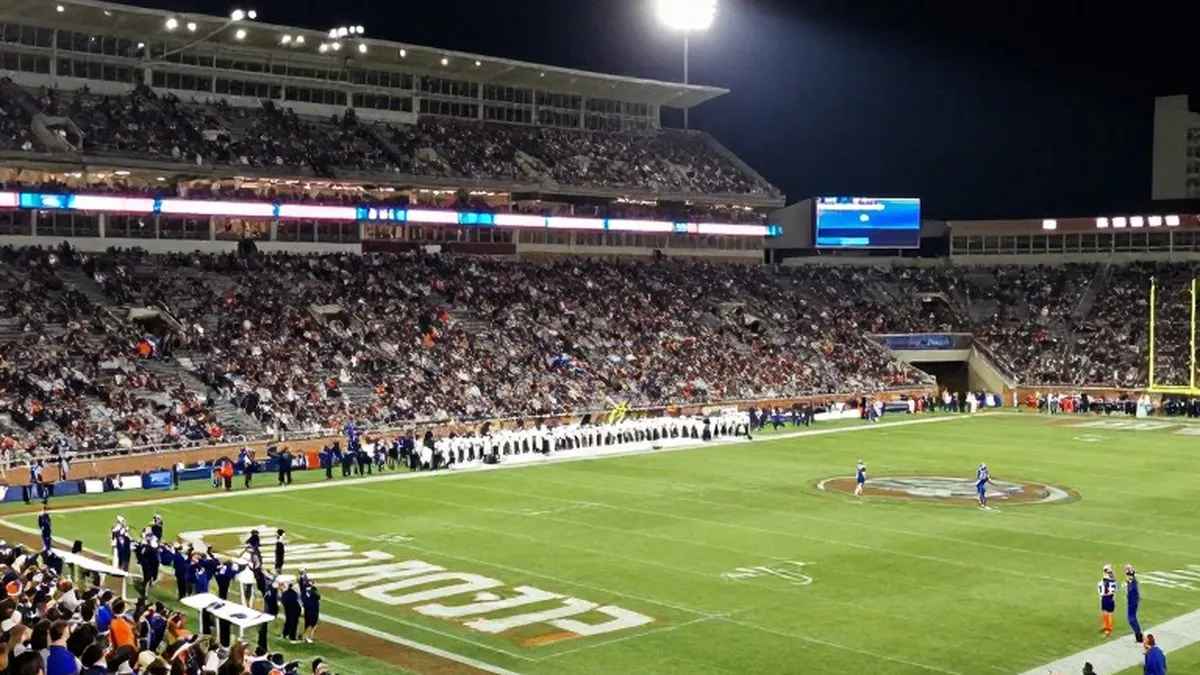
The growth comes as premium large format, or PLF, tickets drive the theatrical industry's biggest gains. Since 2024, Cosm has opened four theaters, located near Los Angeles, Dallas, Atlanta and Detroit, with a Cleveland venue planned for 2027. The venues first drew attention from sports fans with arena-style live event screenings that often sell out, according to the company.
More recently, Cosm has partnered with Hollywood studios including Warner Bros., now part of Skydance, to screen titles such as "The Matrix," "Willy Wonka & the Chocolate Factory," "Harry Potter and the Sorcerer's Stone" and "It." A newly signed deal with Universal will bring "Shrek" to the domes on Dec. 16, marking the company's first animated release. The agreements open a lucrative new chapter for the privately held company, extending its programming beyond timed live events.
Cosm does not disclose its financials, but tickets range from $18 for a matinee to around $70 for prime seats or in-demand showings, before added fees for concessions or themed menu items. Sony invested $100 million in June, taking a minority stake and placing Sony Pictures Entertainment Chairman and CEO Ravi Ahuja on Cosm's board. Other investors include chairman Steve Winn's Mirasol Capital, former Milwaukee Bucks co-owner Marc Lasry's Avenue Sports Fund, Rocket Mortgage co-founder Dan Gilbert's Rock, and New Jersey Devils and Philadelphia 76ers managing partner David Blitzer through his firm Bolt Ventures.
"Cosm is really early in its growth trajectory at the moment, and we saw an opportunity to partner with the company at, what I would say is at, a very important stage in its development," Jay Levine, chief strategy and business operations officer at Sony, told CNBC. He said the deal gives Sony exposure to a growing distribution and experiential platform with long-term potential. Sony has made other theatrical moves in recent years, buying Alamo Drafthouse in 2024 and entering a long-term lease in July of this year to reopen and restore Los Angeles' Cinerama Dome.
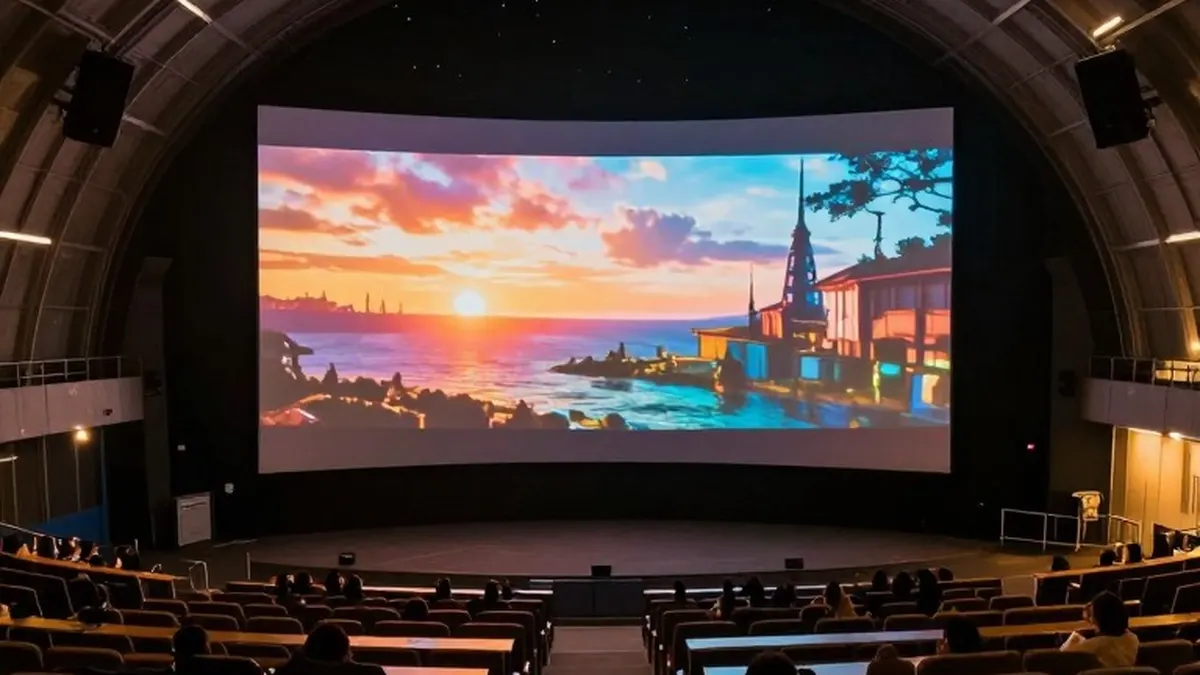
Cosm's 87-foot-diameter concave screens are designed to place viewers inside the action, and the forthcoming Cleveland dome will be even larger at 100 feet. Stadium-style seating, booths and tables fill each dome, and the screen's width covers much of the viewer's peripheral vision. The Los Angeles and Dallas sites seat around 350 people each, while Atlanta and Detroit hold up to 500. Cleveland's seat count has not been disclosed. The experience has drawn comparisons to the Sphere in Las Vegas, which has hosted high-profile concerts and events since opening in 2023.
For live sports, specialty cameras mounted in arenas feed footage back to the dome, creating the illusion of being on the field. For films, the picture plays in a large rectangle at the dome's center while the background extends the scene. In "Harry Potter and the Sorcerer's Stone," for instance, the moment Hogwarts letters flood through a fireplace is accompanied by animated envelopes swarming the background.
Cosm works with experiential production company Little Cinema and creative studio MakeMake to build these visuals, a process from storyboarding to post-production that can take up to a year. "We really work hard not to take away from the story, so the film remains the hero in the narrative," Alexis Scalice, head of Cosm Studios, told CNBC. Aside from 2017's "It," the company's film slate has leaned on decades-old titles with established fan bases, tapping what Scalice called "that nostalgia factor." "People absolutely love to live out what they love in fandom, just like wearing a sports jersey," she said.
The strategy reflects a broader industry shift. The post-pandemic cinema business has seen fewer screens and fewer moviegoers, declines partly masked by higher ticket prices, especially for premium formats such as Imax, Dolby Cinema, ScreenX and 4DX that are popular with Gen Z and millennials. A standard movie ticket averages around $13 while premium tickets average more than $18, according to EntTelligence data. Levine said Cosm's average prices are "higher than I think anybody really would have thought," and called fill rates for titles like "Harry Potter" and "Shrek" incredible.
Unlike Cosm's sports events, which can be watched at lower prices from hall and deck areas outside the dome, theatrical presentations are only available inside the dome. "They have no problem selling these tickets because people want to experience these things, like an immersive format," said Mike Polydoros, CEO at cinema marketing firm PaperAirplane Media. "That is something they can't get at home."