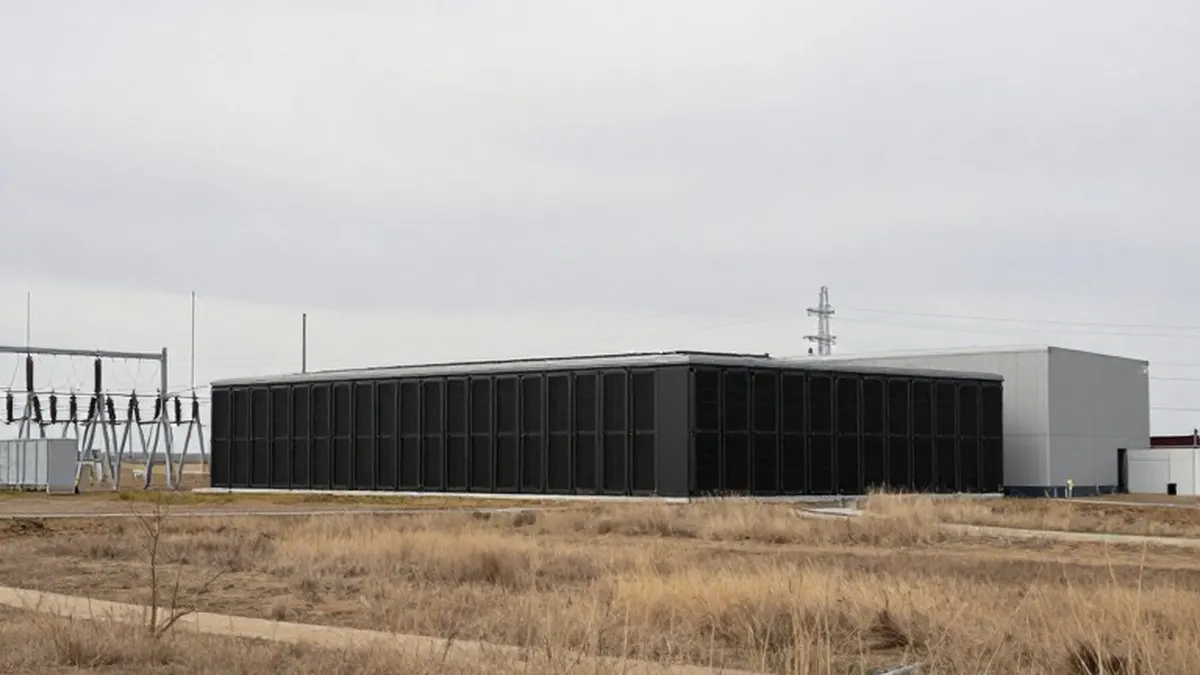
Data center developers face the prospect of tougher oversight after midterm elections brought victories for Democrats promising restrictions on the facilities. Concerns about electricity prices and water consumption became part of campaigns across the country, linking the expansion of artificial intelligence infrastructure to voters’ worries about affordability.
Democrats won control of Congress and captured governorships previously held by Republicans in Texas, Ohio, Georgia, Nevada and Iowa. They also secured full control of state governments in Wisconsin, Minnesota, Pennsylvania, Nevada and Michigan. Those gains could strengthen efforts to regulate development at the state level even if President Donald Trump blocks federal action.
Campaigns spent more than $380 million on television advertising that mentioned data centers, according to AdImpact, with Democratic spending exceeding Republican spending by more than three to one. Data Center Watch, a project of AI security consultancy 10a Labs, found that 32 of the 34 winning gubernatorial candidates in races called by The Associated Press favored stronger regulation or restrictions. Twelve supported bans or moratoriums.
Wisconsin Gov.-elect David Crowley shifted during the campaign from opposing a moratorium to supporting one, along with eliminating a state sales tax exemption for data center businesses. In a Thursday interview with AP, he said proposals under discussion included fuller disclosure of water and energy use, requiring community support for projects and protecting taxpayers and electricity customers from their energy costs.
Texas also emerged as a focus for the industry. Governor-elect Gina Hinojosa defeated Republican incumbent Greg Abbott after criticizing his support for data centers. She has said she would deny a project a permit if it did not benefit Texans or residents lacked a voice in the process. Clayton Tucker, the first Democrat elected Texas agriculture commissioner since 1986, told AP his opposition to development helped him win, citing ranchers’ fears about shrinking water supplies.
The industry is responding to pressure for clearer safeguards. OpenAI released a framework Thursday outlining commitments to communities hosting its data centers and called for rules from federal, state and local policymakers. Data Center Coalition official Dan Diorio said developers needed to continue building public trust. He also warned that moratoriums could cost communities tax revenue or company payments, and said data centers encouraged investment in domestic manufacturing.
The political changes come amid market concerns about the pace of construction. On Thursday, the technology-heavy Nasdaq fell to 11% below its record high as rising borrowing costs raised fears of a slowdown. Morgan Stanley analysts said Democratic victories increased expectations of restrictions that could divide states by their openness to development. They identified Hinojosa’s victory as especially consequential and warned that Democrat Dr. Amy Acton’s election as Ohio governor increased the risk of project delays.
Local votes also showed resistance. Redbud Consulting tracked 47 referendums across 44 municipalities in 12 states and reported that restrictions passed in 44 of the 45 contests where counting had finished. The AP Voter Poll found roughly three-quarters of voters nationally opposed a new data center in their community, with opposition spanning Republican and Democratic states.
That resistance did not necessarily determine congressional votes. About one-quarter of voters described AI data centers as crucial to their choice, according to the AP poll, substantially fewer than those who placed high importance on government corruption or living costs.