Democrat Jonathan Kreiss-Tomkins has won Alaska's race for governor, defeating Republican Bernadette Wilson and flipping the governor's mansion for his party. The Associated Press called the contest for Kreiss-Tomkins on Friday evening local time.
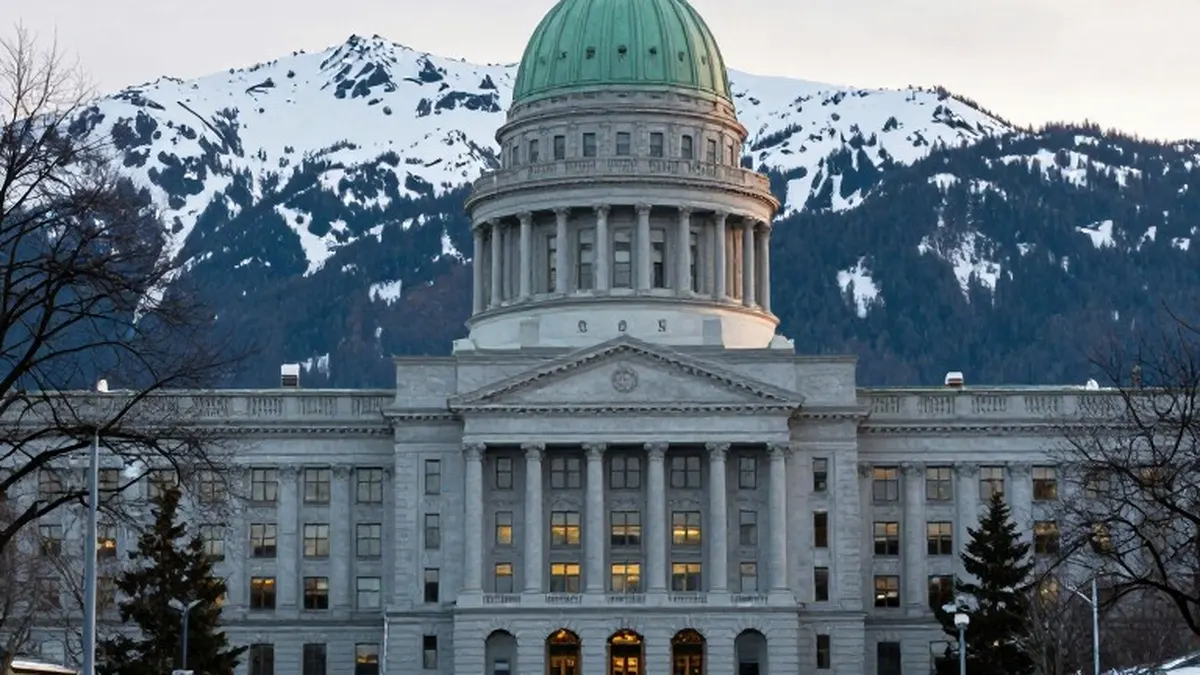
The victory makes Kreiss-Tomkins, a former state lawmaker from Sitka, the first Democrat to win the Alaska governorship since 1998. He campaigned on returning his party to power in Juneau after two terms under Republican Gov. Mike Dunleavy, who was barred from seeking a third consecutive term.
The contest to succeed Dunleavy turned into an unusual spectacle as Republicans battled among themselves over who should carry the party's banner. Wilson, a conservative activist and former political operative, earned President Donald Trump's endorsement in a campaign that featured multiple Republicans competing for the governor's office.
Trump also took public aim at fellow Republicans Dave Bronson and Treg Taylor, accusing them of dividing conservative voters and potentially jeopardizing the party's hold on the governorship. Despite the criticism, both men remained in the race.
Bronson, a former mayor of Anchorage, and Taylor, a former Alaska attorney general, stayed in the Republican field through the general election, creating a complicated contest in which the party's support was split several ways.
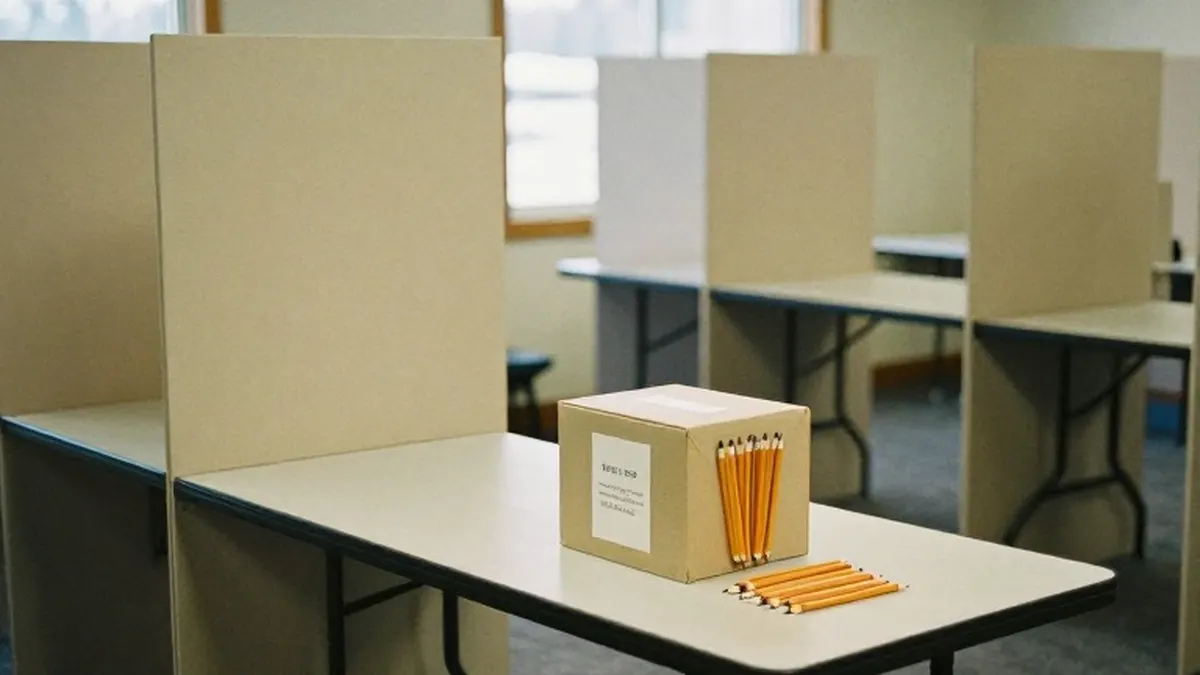
The election played out under Alaska's ranked-choice voting system, which lets voters rank candidates in order of preference rather than choosing just one.
Under that system, if no candidate captures a majority of first-choice votes, the lowest-performing contender is eliminated and those ballots are redistributed according to voters' next preferences. The process repeats until one candidate secures a majority among the ballots still in play.
Ranked-choice voting has added an unusual dynamic to Alaska politics, permitting multiple candidates from the same party to compete in the general election without a traditional partisan runoff to narrow the field beforehand.
The result stands out in a state that has remained reliably Republican in presidential elections. Even so, Alaska voters have occasionally sent Democrats and independents to statewide office, and this year's fractured Republican field opened the door for Kreiss-Tomkins to do exactly that.