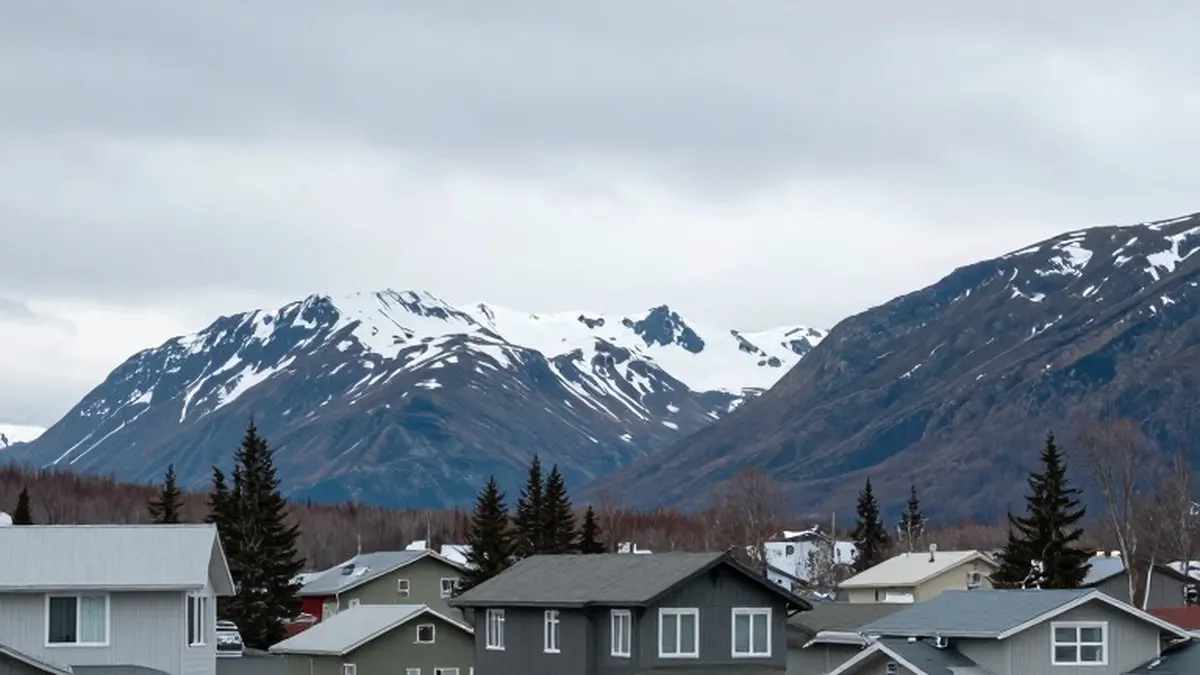
Democrat Jonathan Kreiss-Tomkins has won Alaska’s governor’s race, according to the Associated Press, and will become the youngest person to hold the office in state history. The 37-year-old former state representative from Sitka, a small island community, is scheduled to be sworn into office at noon on Dec. 7.
He will succeed Republican Gov. Mike Dunleavy, whose tenure began in 2018 and who could not seek another term because of term limits. Alaska has not had a Democratic governor since Tony Knowles left office in 2002. The result, combined with other Democratic victories in the midterm elections, will give the party 30 governorships nationwide, compared with the 24 it currently holds.
The AP declared the winner after vote counting stretched beyond a week, with ballots arriving through the mail and from remote areas of Alaska. Kreiss-Tomkins competed against three Republicans under the state’s ranked-choice voting system, which requires a candidate to secure a majority of votes to win. A separate ballot proposal would have eliminated that system, but voters rejected it, according to another AP call.
The Republican candidates were business owner Bernadette Wilson, who had President Trump’s backing, former Anchorage Mayor Dave Bronson and former Alaska Attorney General Treg Taylor. Kreiss-Tomkins, often referred to by his initials, JKT, put energetic leadership, cooperation across party lines and practical problem-solving at the center of his campaign.
He has said his administration will include Democrats, Republicans and independents. During a debate, he called himself a “man of the middle.” His endorsements included Republican Sen. Lisa Murkowski and three former governors, one Democrat, one Republican and one independent.
Speaking before casting his ballot at an Anchorage precinct on Election Day, Kreiss-Tomkins said Alaskans were tired of zero-sum partisan politics. “I strongly believe people just want things to work, and want people to work together,” he said.
His administration will face widespread dissatisfaction with conditions in the state. Schools have closed and classes have grown larger as rising expenses have collided with relatively flat state funding. Residents have also seen sharp increases in already-high food, fuel and housing costs.
A looming shortage of readily accessible natural gas near Alaska’s population centers threatens to raise prices further. Meanwhile, residents have been moving out of the state for more than a decade, adding to the challenges awaiting the incoming governor.