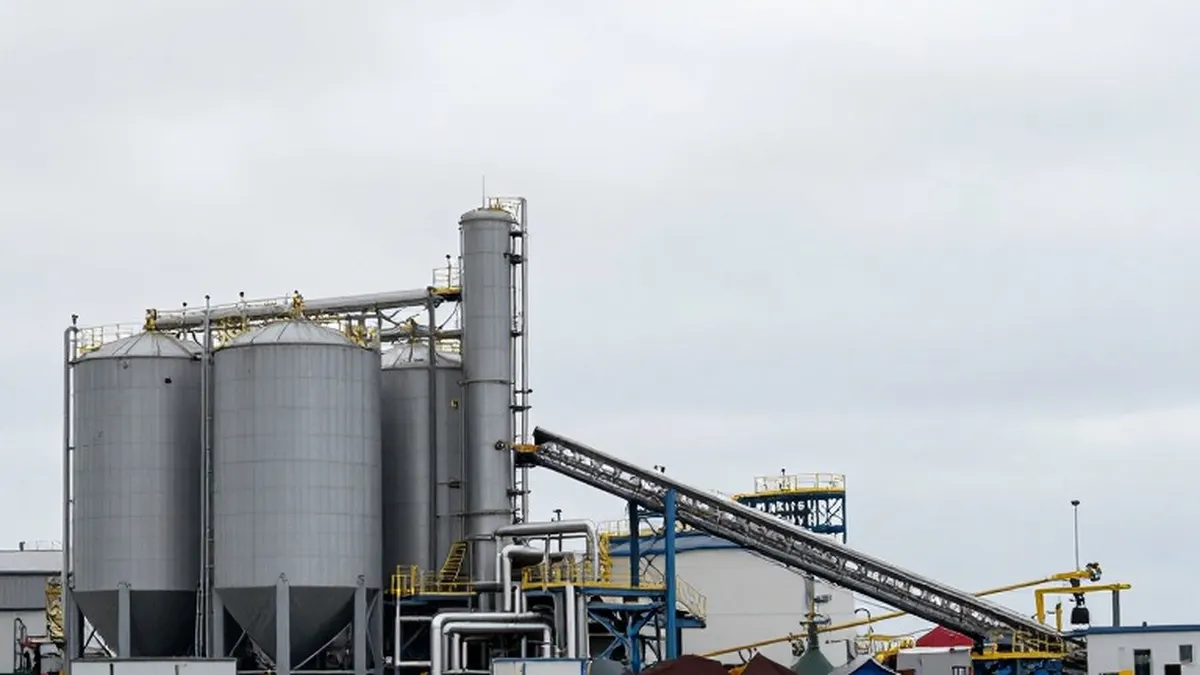
Aughinish Alumina, an Irish plant owned by Russian company Rusal, is continuing to supply Russia with a raw material used to make aluminium, according to reporting cited by the Associated Press. Investigators say the material could ultimately be used in weapons production, although the plant denies links between its products and military supply chains.
The facility is Europe's largest producer of alumina, which is processed into aluminium. The metal has applications in the manufacture of missiles, drones and military aircraft, among other products. The concerns surrounding Aughinish centre on the route its material takes after export to Russia and whether aluminium produced from it reaches defence contractors.
Activist group Alumina 22 estimates that shipments of alumina from Ireland to Russia totalled 491,307 tonnes between March and October 2026. The figure describes the volume of material shipped during that period, while the separate investigation examined connections between processing in Russia and subsequent sales of aluminium.
That investigation, conducted by the Organised Crime and Corruption Reporting Project and The Irish Times, found that alumina supplied by Aughinish is converted into aluminium in Russia. Some of the resulting metal is then sold to a trader that supplies aluminium to Russian defence contractors, according to the findings.
Aughinish disputes any connection between its products and military supply networks. The company says it is subject to independent inspections every month. A spokesperson for the Irish government also said there was no evidence that the plant's material was being used for military purposes.
The shipments remain permitted under European Union sanctions, which do not currently prohibit alumina exports to Russia. The European Commission is seeking to establish where member states stand on these exports, as questions persist over the possible destination of aluminium produced from the Irish material.
Earlier reporting highlighted concerns within the EU about restricting the plant. In July, the Financial Times reported that the bloc was reluctant to impose restrictions on Aughinish because of worries about raw material supplies to European industries.
Those concerns extended to Europe's automotive and defence sectors, as well as manufacturers of equipment for power grids, according to the Financial Times report. The supply considerations form part of the background to the scrutiny of Aughinish's continuing exports and the Commission's effort to determine member states' positions.