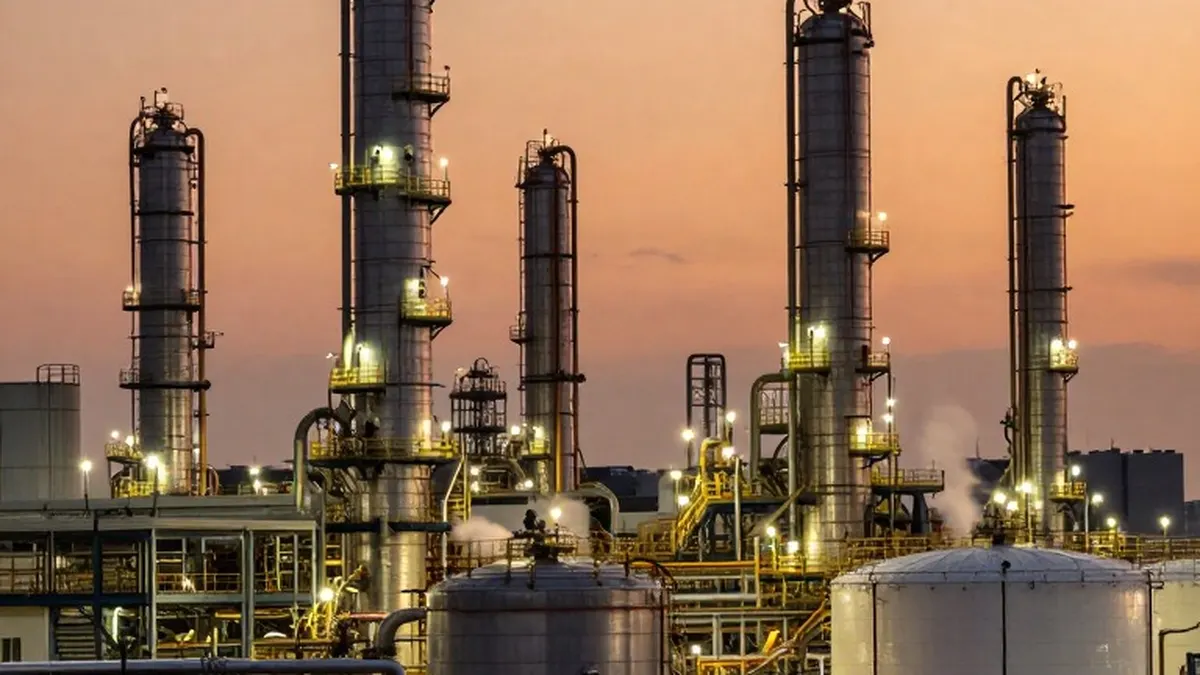
The two largest oil companies in the United States, ExxonMobil and Chevron, reported profits on Friday that blew past expectations, as crude prices remain sharply elevated because of the U.S. war with Iran.
ExxonMobil said its profit doubled compared with the same period last year, while Chevron's earnings jumped more than 180% from a year earlier. Exxon also announced it was raising the dividend it pays to investors. The results landed as oil prices pushed back toward their wartime highs: Brent crude closed just under $118 per barrel on Friday, approaching the peak of $126 it reached after the United States and Israel launched the war against Iran in late February. Prices have held above $100 per barrel for months.
Shareholders have been rewarded. Exxon shares have climbed 52% since the start of the year, and Chevron shares have gained 50%. Overnight, BP added to the industrywide boom, reporting its highest profit in 18 years.
For consumers, the picture is far bleaker. The average price of regular gasoline has risen 40% since the war began, and the run-up in fuel costs is weighing on voters ahead of the midterm elections, with prices and inflation repeatedly cited as top concerns.
During the 2024 campaign, Donald Trump pledged to bring energy costs down sharply, saying in September of that year: "My plan will cut energy prices in half or more than that within 12 months of taking office," and promising "gasoline below $2 a gallon." As of Friday, the average gasoline price is more than double that figure.
On the campaign trail in recent weeks, the president has instead celebrated the windfall. "I wonder if I should say this," Trump said at an Oct. 24 rally, before adding that "our country is making hundreds of billions of dollars because of what's happened in the Middle East." He said his advisers had urged him not to mention it because "people are paying a little higher," then declared: "I don't give a damn: I'm going to say it. We're making a freaking fortune."
The price surge also traces back to the war between Ukraine and Russia, following President Vladimir Putin's full-scale invasion in 2022. ExxonMobil CEO Darren Woods told CNBC on Friday that the closure of the Strait of Hormuz has forced shippers onto new routes, and that "about half of Russia's refinery capacity has been taken out from the Ukraine bombing." He called diesel "the key crunch point here because it is so critical to economic growth."
The nationwide average price of diesel has climbed 78% since the start of the year, while New York-traded diesel futures have soared 130%, a sign that further increases at the pump may be coming. Both Exxon and Chevron said their refineries are running at maximum output to produce as much diesel as possible. "We are at record levels of utilization for our refineries," Woods said.
The Trump administration has moved on several fronts to bring fuel prices down. The president signed an order permitting wider use of an off-road dyed variety of diesel, pressed European allies to release diesel reserves onto the global market, and announced a deal with Putin for some Russian diesel supplies. Last week he announced $150 million in Defense Production Act funding to expand petroleum production, storage and logistics at refineries. So far, the measures have not meaningfully reduced prices.