ExxonMobil and Chevron reported third-quarter results above analysts’ expectations on Friday, October 30, as higher prices and record production supported their businesses. Both companies posted substantial revenue gains during a period when disruptions from the wars in Iran and Ukraine pushed fuel costs higher.
The increases have also been apparent at the pump. According to AAA, diesel cost about $6.32 a gallon, a rise of 71% from a year earlier. Regular gasoline prices were approximately 38% higher over the same period. Against that backdrop, both companies reported high utilization at their U.S. refineries.
ExxonMobil’s net income more than doubled to $3.72 per share in the third quarter. Adjusted earnings reached $4.23 per share, exceeding the average analyst forecast of $4.12. Revenue for the three months through September climbed 33% to $113.16 billion, also surpassing estimates. The company, based in Spring, Texas, raised its quarterly dividend to $1.07 and established a $20 billion share repurchase plan.
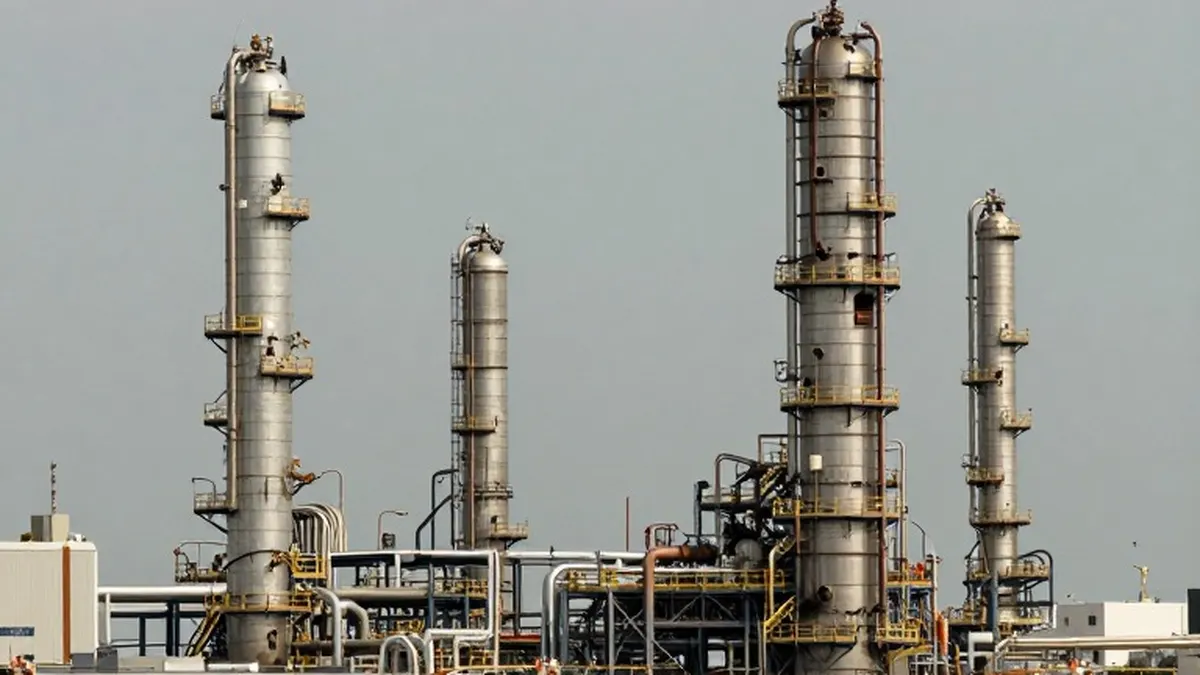
Strong production from Guyana and the Permian Basin in the Southwest contributed to ExxonMobil’s performance. Its U.S. Gulf Coast refineries operated at 100% utilization, while diesel production from those facilities reached its second-highest level on record. Chairman and CEO Darren Woods said investments including the expansion of the Beaumont refinery in Texas had helped lift distillate production by approximately 40% since 2019.
Chevron reported quarterly earnings of $9.9 billion, equivalent to $5.06 per share, while revenue increased 36% to $67.8 billion. The Houston-based company’s results comfortably exceeded estimates. Crude utilization at its U.S. refineries reached 98%, and production at its Eastern Mediterranean and Australian assets set records.
The quarter also included one month of production in Venezuela following an accounting-related change. Chevron, the second-largest U.S. oil company, has operated in the country since 1923. In September, it announced plans to invest $7 billion there over the next five years.
Chevron’s overall capital spending was lower than a year earlier because it reduced spending in the Permian Basin. Chairman and CEO Mike Wirth said agreements to cut Bakken midstream costs by about 50% would strengthen that asset’s competitiveness. The company expanded its holdings in the Bakken fields of North Dakota and Montana through its $53 billion purchase of Hess Corp. last year.
Shares of both companies advanced in premarket trading following the announcements. ExxonMobil gained 1.9%, bringing its rise over the preceding 12 months to 64%, while Chevron shares increased 1.1%.