Republican efforts to redraw congressional boundaries before the 2026 midterms produced fewer gains than the party sought in several states. But an analysis shared Thursday by Decision Desk HQ suggests Republicans might have faced even greater losses had proposed maps in South Carolina and Indiana taken effect.
Republicans in both states rejected plans intended to leave Democrats without a congressional seat. Democrats initially welcomed those decisions as helpful to their campaign to regain the House majority. The new analysis from DDHQ, a nonpartisan election forecaster and The Hill’s polling partner, indicates that the rejected maps could instead have created opportunities for additional Democratic victories.
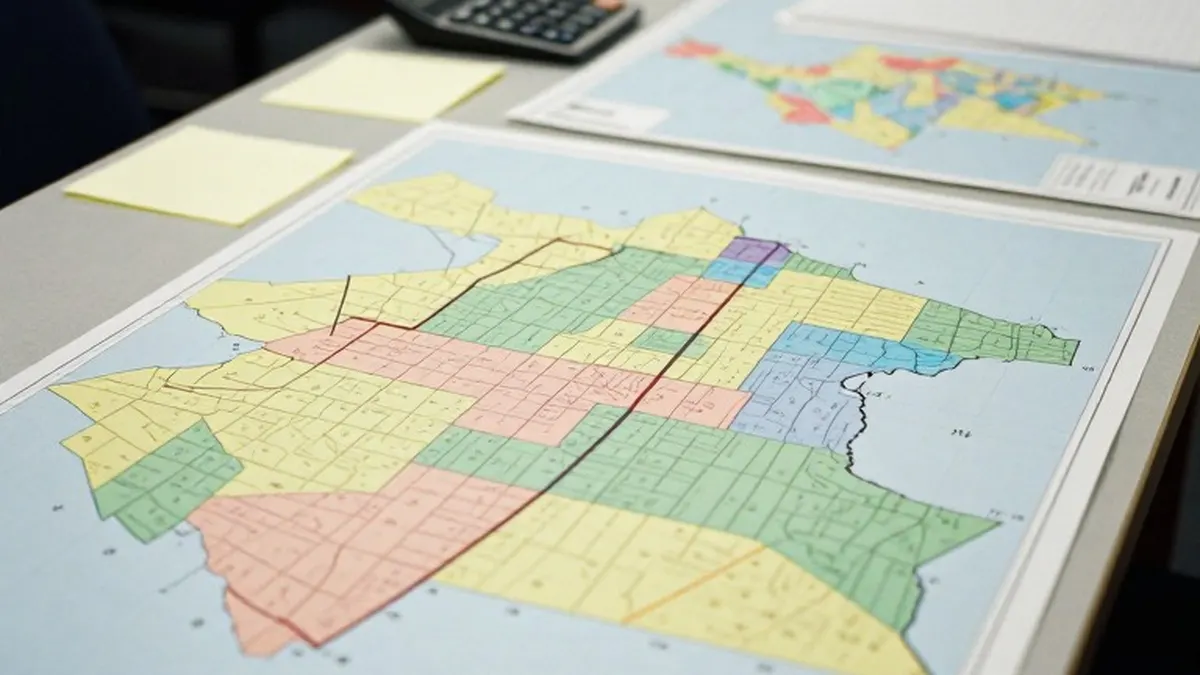
In South Carolina, DDHQ applied House election votes to the proposed district boundaries and found that Democrats would have won three of the state’s seven seats. The proposal had been designed to elect Republicans in every district. Under the existing boundaries, Democratic candidates won two seats. Democrat Annie Andrews, who defeated Republican Sen. Darline Graham on Tuesday, would have won five districts under the proposed map, according to the analysis.
The Indiana findings used results from the statewide secretary of State election. Applying those votes to the rejected congressional map showed Democrats carrying all nine proposed districts, although the boundaries were intended to produce a Republican sweep. Democrats won three congressional seats under the current map. The secretary of State contest drew unusual attention this year, with Democrat Beau Bayh winning by 9 points. He is the son of former Sen. Evan Bayh and grandson of former Sen. Birch Bayh, both Democrats.
The proposals also generated disputes within the Republican Party. In Indiana, a small group of Republican state senators blocked the changes sought by President Trump. Trump subsequently supported primary opponents against senators who opposed the map, and many of those incumbents were defeated. South Carolina Republicans considered a redraw targeting Democratic Rep. James Clyburn but declined to proceed despite presidential pressure.
Elsewhere, maps adopted before the midterms fell short of Republican expectations, DDHQ found. Florida Republicans sought to capture four Democratic seats through redistricting but flipped none. In Texas, a plan aimed at adding five Republican seats yielded just one additional seat, while Republicans lost two others.
North Carolina’s redraw targeted Democratic Rep. Don Davis in the 1st Congressional District, but he retained his seat. Republicans also finished within a couple of points of losing every congressional seat in the state. In Ohio, two Democratic incumbents targeted by the new map both survived, and Democrats captured three additional seats.
Tennessee Republicans narrowly captured the seat their redraw targeted. However, the Republican incumbent in the 4th Congressional District was trailing with nearly all ballots counted. Trump had carried that district by 24 points in 2024, and the seat had not been considered a Democratic target.