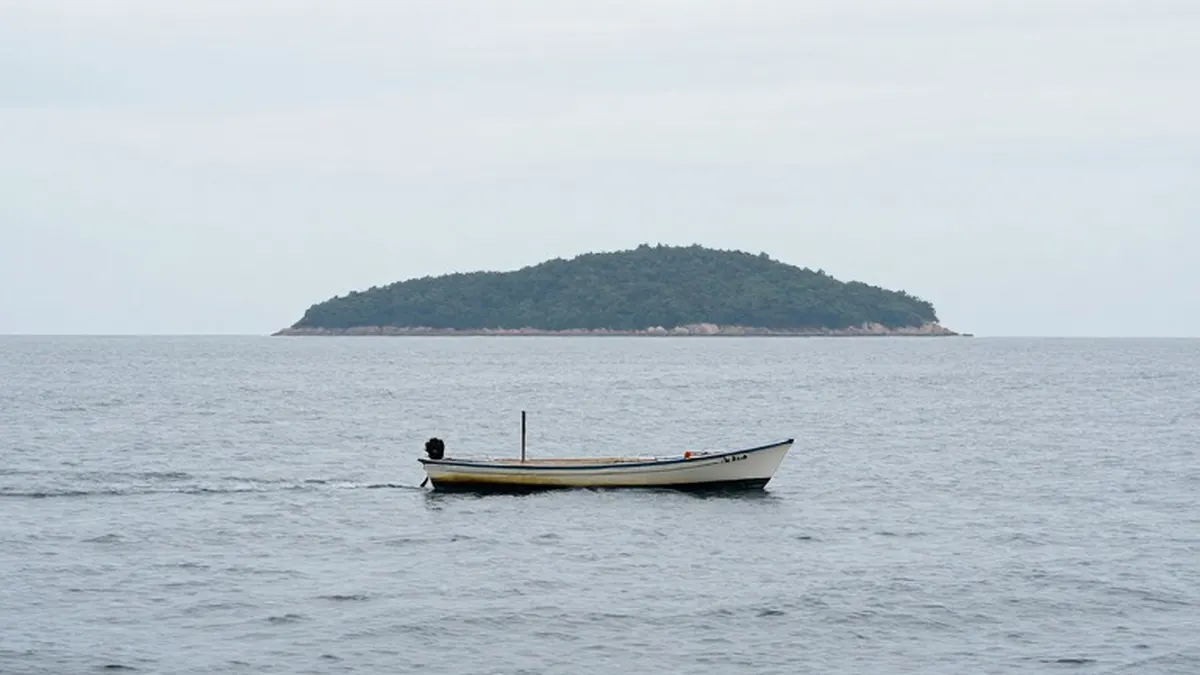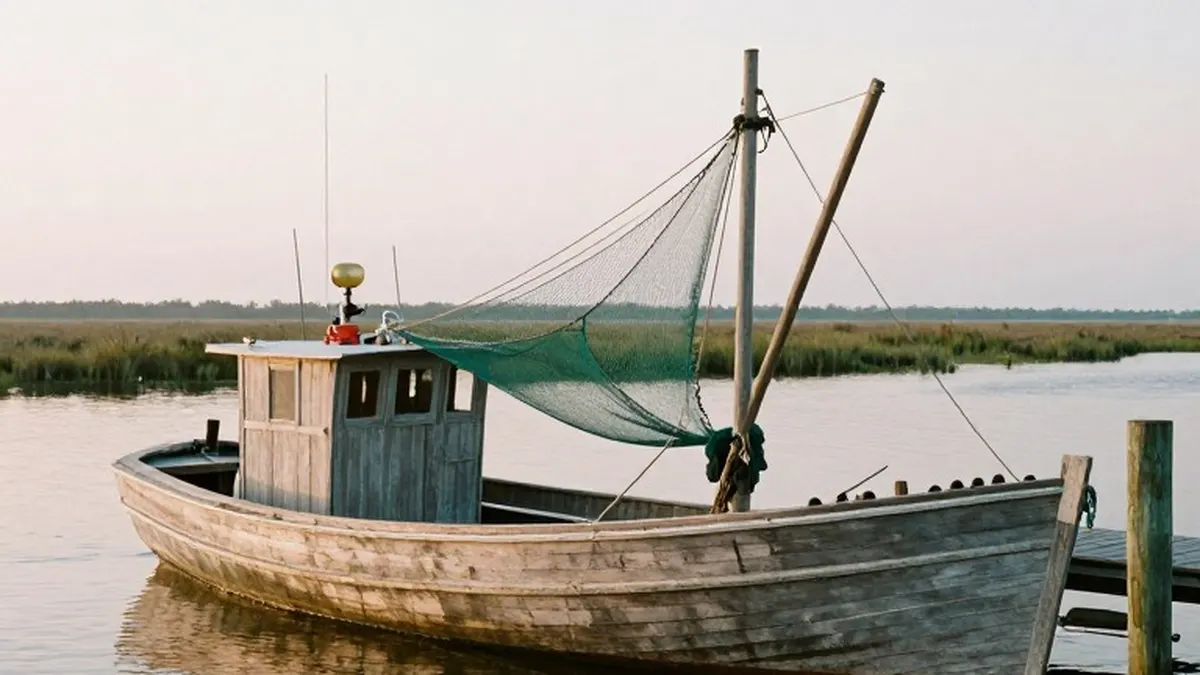
For Mark Marhefka, who has worked as a shrimper and fisherman for 49 years, the weather can determine whether a fishing trip turns a profit or becomes a danger. He depends on forecasts, weather buoys and data from the National Oceanic and Atmospheric Administration (NOAA) to judge when it is safe to take his boats offshore, and he fears that President Donald Trump's proposed funding cuts could erode those services further.
"They've already started cutting back on NOAA, and they're looking to do more in this next fiscal year," Marhefka, who owns Abundant Seafood in Mount Pleasant, told Al Jazeera. "It's definitely something that we need to fight against." Since Trump returned to office in January 2025, NOAA has lost roughly 20 percent of its workforce, according to an analysis of federal employment data, and the administration's proposed 2027 budget would cut funding for ocean monitoring and end a programme supporting regional ocean observations.
Weather is only one of the pressures on South Carolina shrimpers as they vote on Tuesday in the US midterm elections. Rising fuel prices, equipment costs and competition from imported shrimp are also weighing on the industry. Marhefka said fuel costs have doubled since Trump returned to office, and he believes Democrats are better placed to respond. "I voted Democrat because I really think Annie Andrews is going to help South Carolina," he said.
At an election eve rally in Charleston on Monday, Democratic Senate candidate Annie Andrews appealed directly to voters like Marhefka. "I'm fighting for a South Carolina that we can afford," she told the crowd. "I'm fighting to lower the damn diesel for our farmers and our fishermen and our shrimpers."
Not all shrimpers have made up their minds. John Henry Middleton, an 81 year old fisherman who has shrimped for about 50 years, remains undecided and frustrated with both parties, saying politicians promise much but fail to cooperate on issues affecting ordinary people. "I want to see them get together and work for the good of the people," he told Al Jazeera, adding that the cost of living and his ability to support himself in retirement are on his mind as he still works at 81.
Kevin S, who works at Geechee Seafood on Shem Creek and declined to give his last name, plans to vote Republican. He said many in the fishing industry view government regulation as an obstacle, describing a system of red tape and permits that can cost thousands of dollars. He acknowledged fuel prices have raised his costs but said he did not know enough about whether the war in Iran was a factor. He pointed instead to Trump's push for domestic energy production. "It's not that a lot of people love the Republican Party," he said. "It's more of a lesser of two evils."
The strain is visible around Shem Creek, a historic fishing area near Charleston, where Cindy and Taylor Tarvin, co-owners of Tarvin Seafood, estimate only about eight shrimpers remain. "Younger captains can make a living, but not a lavish one," Cindy Tarvin said. Their diesel costs climbed from $2.71 per gallon (3.78 litres) at the start of the year to $5.99 by late September, while the American Automobile Association reported South Carolina's average retail diesel price hit a record $6.17 that month. Maintenance and equipment costs have risen as well.
The Tarvins say imported shrimp is among their biggest challenges, undercutting domestic catch and forcing some local boats out of business. The United States imported 1.59 billion pounds, or about 721,000 tonnes, of frozen warmwater shrimp in 2025, up 2 percent from the previous year, according to the Southern Shrimp Alliance. In July 2026, the Trump administration imposed additional tariffs of 10 to 12.5 percent on shrimp from major suppliers including India, Ecuador, Indonesia, Vietnam and Thailand, but the Tarvins said they have yet to see a meaningful benefit in the prices they receive.
There is another complication: tariffs on imported steel, aluminium and products made from those materials have raised the cost of keeping boats running. "So all of the pieces and parts that go into keeping a fishing boat running and keeping the equipment replaceable are affected by tariffs," Cindy said. For Marhefka, the rising costs feed a broader frustration. "I just don't think that we can go and handle another two more years of this," he said. "We're just getting squeezed too hard."