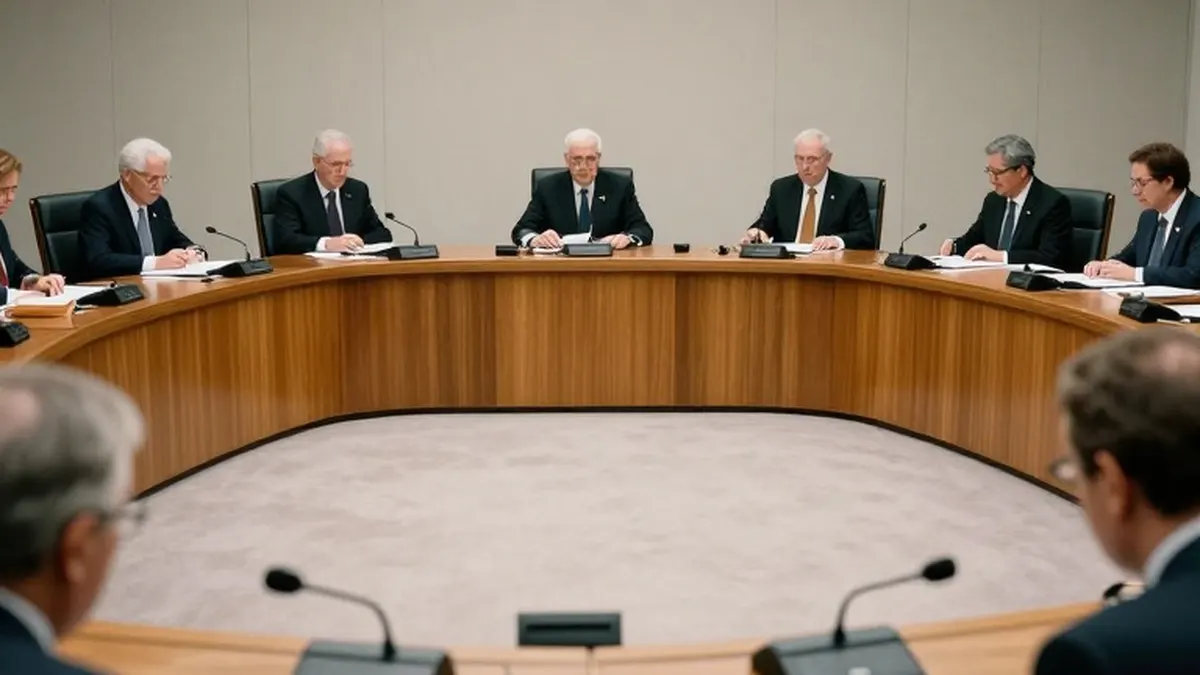
Representatives from the Finance Ministry have warned that Israel has already committed to purchasing more than $31 billion in weaponry from the United States. This financial obligation stands regardless of whether the current US military aid program continues or is terminated. The warning was issued during a discussion on Monday within the newly appointed Knesset Finance Committee.
Under the current Memorandum of Understanding between the two nations, Israel receives an annual grant of $3.8 billion in military assistance. This recurring sum is distinct from the additional $24 billion that Israel has committed to spend outside of the agreement starting in 2029.
Shira Amiel Ben Abba, the Deputy Director of the Budget Department at the Finance Ministry, explained that the additional $24 billion commitment was made under the assumption that a new agreement would be reached. She noted that the government now faces difficult choices regarding how to manage these funds if the expected aid does not materialize.
Ben Abba stated that the government ultimately has three main options to address the gap: reducing defense spending, raising taxes, or increasing national debt. She emphasized that when the 2027 budget is prepared, the government will be forced to decide how to balance these measures.
Finance Ministry officials stressed that there is currently no guarantee regarding when US military aid might be terminated, or if it will be terminated at all. They indicated that these matters remain under active discussion and that the ministry is still trying to understand the full significance of recent announcements.
Defense officials previously told The Jerusalem Post that the Israeli defense establishment was shocked by US President Donald Trump’s decision to implement an early cut-off of military aid. The sector remains unclear about what this decision implies for immediate budgetary planning and future weapons sales.
Some political officials have attempted to downplay the potential harm to Israel’s national security. They argue that the shift from direct aid to a partnership model in upcoming years was already a significant part of the negotiations between the two sides.
However, in those earlier conversations, the earliest expected cut-off for military aid was by the end of 2028. Some scenarios even suggested a gradual transition period that could extend between 2028 and 2038.
The current timeline and the scale of the pre-committed purchases have created a complex financial landscape for the Israeli government. The need to reconcile these long-term obligations with the potential loss of annual grants presents a significant challenge for policymakers.
Yonah Jeremy Bob contributed to this report.