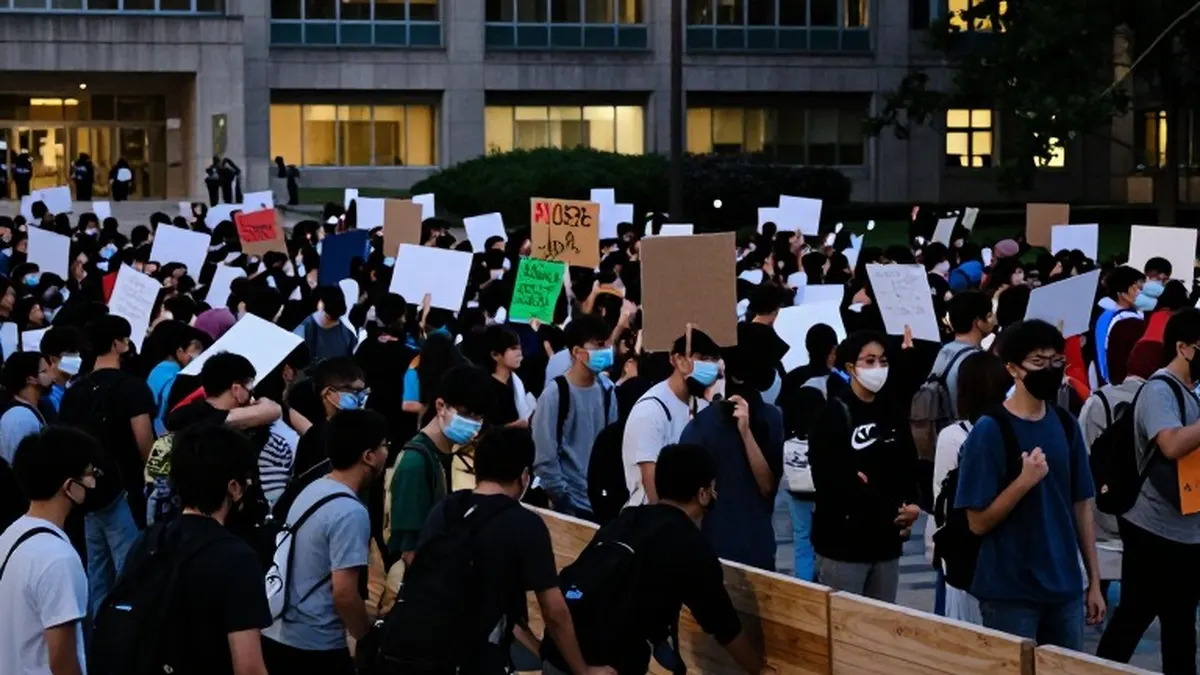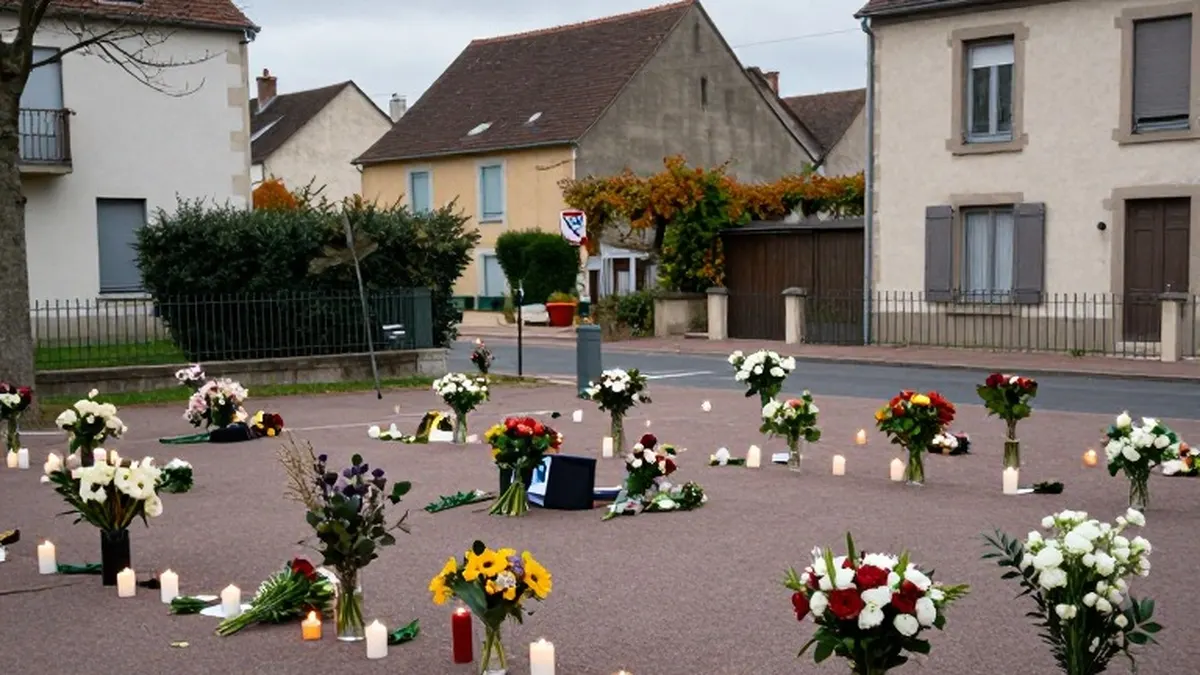
Thousands gathered in Trappes, north of Paris, on 30 October to mourn the victims of a racist attack a week earlier. Pengo Bossio Wangi, a 26-year-old Black man, was killed and seven people were injured, among them a 12-year-old girl. The attack has intensified debate about hostility towards minorities as France heads towards its 2027 presidential election.
The suspect, 39-year-old Kevin Tessier, was placed in pre-trial detention. He admitted targeting people he identified as Muslim, African or North African. Investigators discovered a copy of Mein Kampf and homemade stickers referring to the far-right National Rally at his home. Tessier told police he wanted to avenge shopkeepers whose businesses had been looted and regarded Trappes as an Islamist stronghold.
Trappes mayor Ali Rabeh blamed political and media rhetoric for encouraging hatred against minorities. He singled out National Rally president Jordan Bardella, who had portrayed the town as an Islamic republic in miniature in 2022, and criticised politicians who adopted far-right language and policies. Dominique Sopo, president of SOS Racisme, told Middle East Eye that dehumanising portrayals of Arab, Black and Muslim people could encourage violence. He warned of further racist attacks before the election.
Since 2022, eight people in France have been killed by far-right activists because of their perceived ethnicity or immigrant background. Victims include Djamel Bendjaballah, killed in Dunkirk in 2024 by a member of the French Patriotic Brigade, and Hichem Miraoui, murdered in the Var region in 2025 by a neighbour sympathetic to the National Rally. Despite demands from anti-racism organisations, the brigade has not been formally dissolved. Around 20 far-right identity groups have been banned during Emmanuel Macron’s presidency, while an estimated 300 operate nationwide.
Recent demonstrations have also been accompanied by assaults attributed to far-right groups claiming to protect businesses. Le Monde reported that some attacks occurred in front of riot police, with officers allegedly restraining victims while allowing assailants to leave. Separately, civil society organisations and media outlets exposed online threats against delivery workers perceived as belonging to racial minorities and against Muslims. On 31 October, Paris shopfronts were found marked with graffiti advocating mass deportations, and authorities banned an ultra-right conference on that theme.
Rights organisations have raised concerns about France’s response to unrest. The French Human Rights League has criticised legislation expanding police powers and a law passed by the National Assembly in July easing the conditions for officers to claim self-defence. Amnesty International has warned about weapons used during recent protests that can cause permanent injuries. Thousands have been arrested since demonstrations began in September, with minors accounting for 85 percent of those taken into custody.
The unrest has also become a point of confrontation over Jean-Luc Melenchon’s France Unbowed party. After demonstrations on 17 October, Justice Minister Gerald Darmanin proposed exceptional legal measures and attributed some responsibility for the violence to Melenchon and his party. However, French intelligence services said traditional left-wing parties attending the protests were not involved in violence. Mediapart reported that internal intelligence findings contradicted the government’s account and that some officers described pressure to blame France Unbowed.
Abdellali Hajjat, a sociology professor at the Free University of Brussels, told Middle East Eye that government acceptance of far-right narratives helped normalise them. He argued that existing legislation could facilitate discriminatory policies if the National Rally gained power. Its presidential candidate, Marine Le Pen, remains the clear leader in voting-intention polls.