French Prime Minister Sebastien Lecornu announced on Monday that a planned 1.6% increase in the national minimum wage will be brought forward from January to December, as his government seeks to defuse a cost-of-living crisis that has fuelled weeks of unrest across the country.
The decision followed talks with trade unions and business leaders. Labour Minister Jean-Pierre Farandou told a press conference that the wage, which is normally adjusted on January 1 to reflect inflation, will instead rise in December.
The increase will lift the monthly minimum wage to a net 1,502 euros ($1,676), a gain of 24 euros over the current level. That level has been in place since June, when the wage was raised by 35 euros in response to higher inflation.
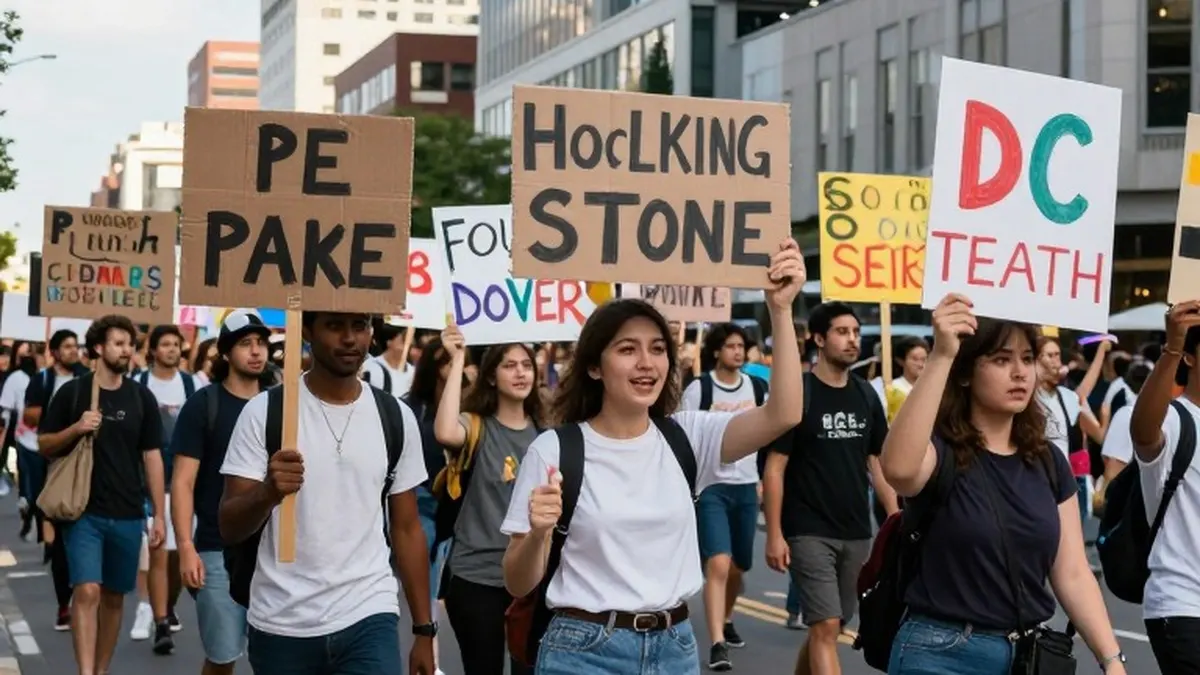
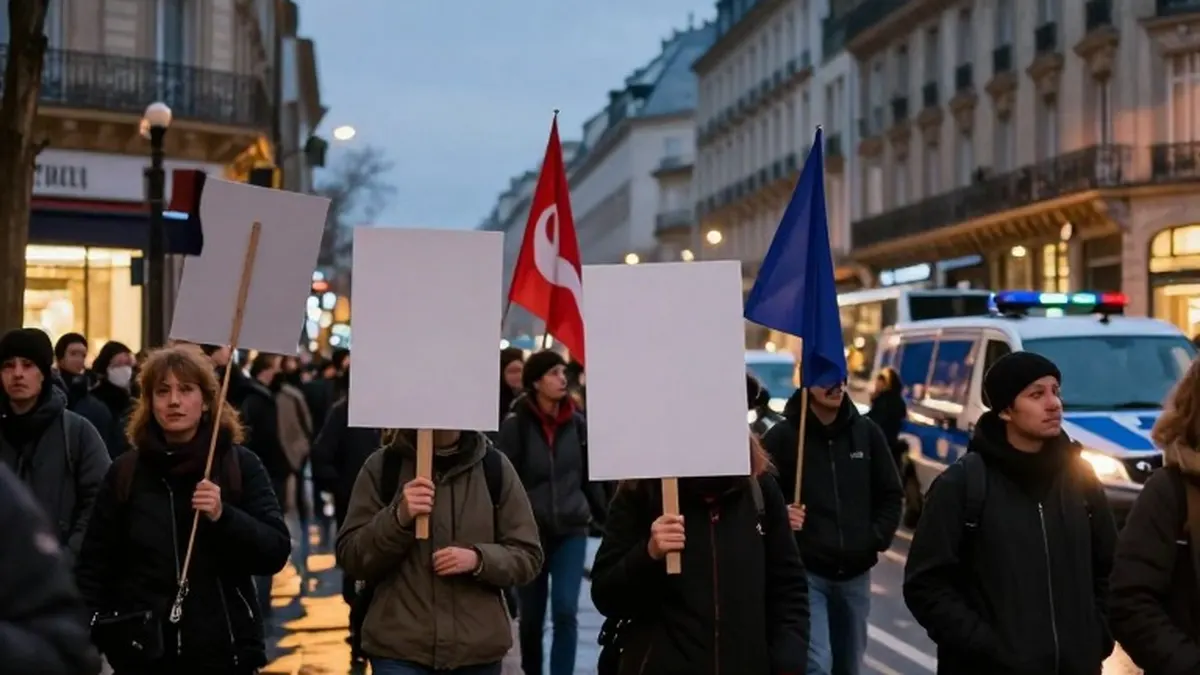
The government has faced a series of demonstrations in recent weeks that began over underfunded schools in September but have since broadened into wider anger over living costs, public services and political stagnation. Riots in major cities on October 17 caught security forces off guard, in what has become some of France's worst civil unrest in years.
The wage move falls well short of union demands. The CFDT, France's largest union, has called for a 100 euro increase, while the left-wing CGT is demanding a 10% rise, equivalent to roughly 150 euros a month.
Speaking to journalists after meeting unions and employers' federations, Lecornu defended the measure. "This is the second-biggest increase in 20 years, so it should not be held in contempt," he said.
Union leaders reacted dismissively. CFDT head Marylise Leon called the increase "insufficient", while CGT head Sophie Binet described it as "crumbs" and added: "We didn't come here to beg for alms." Binet called for new protests on November 17.
Minimum wage policy is especially sensitive in France, which combines one of Europe's highest minimum wages with one of the largest shares of workers paid at or near that level. The minimum wage amounted to 67% of average earnings in 2024, and 12.7% of employees were paid at or near it, compared with 8% in Germany and 3.5% in the Netherlands, according to Eurostat. Because the wage usually rises automatically with inflation in January and sometimes midyear, changes have a broad impact on labour costs.
The government is eager to ease public anger but has little room for manoeuvre given its mounting debt burden. The tensions come five months before a presidential election in which far-right leader Marine Le Pen leads the polls, with surveys suggesting she could face hard-left rival Jean-Luc Melenchon in a run-off. President Emmanuel Macron, nearing the end of his second term with record low approval ratings, is barred from running again.