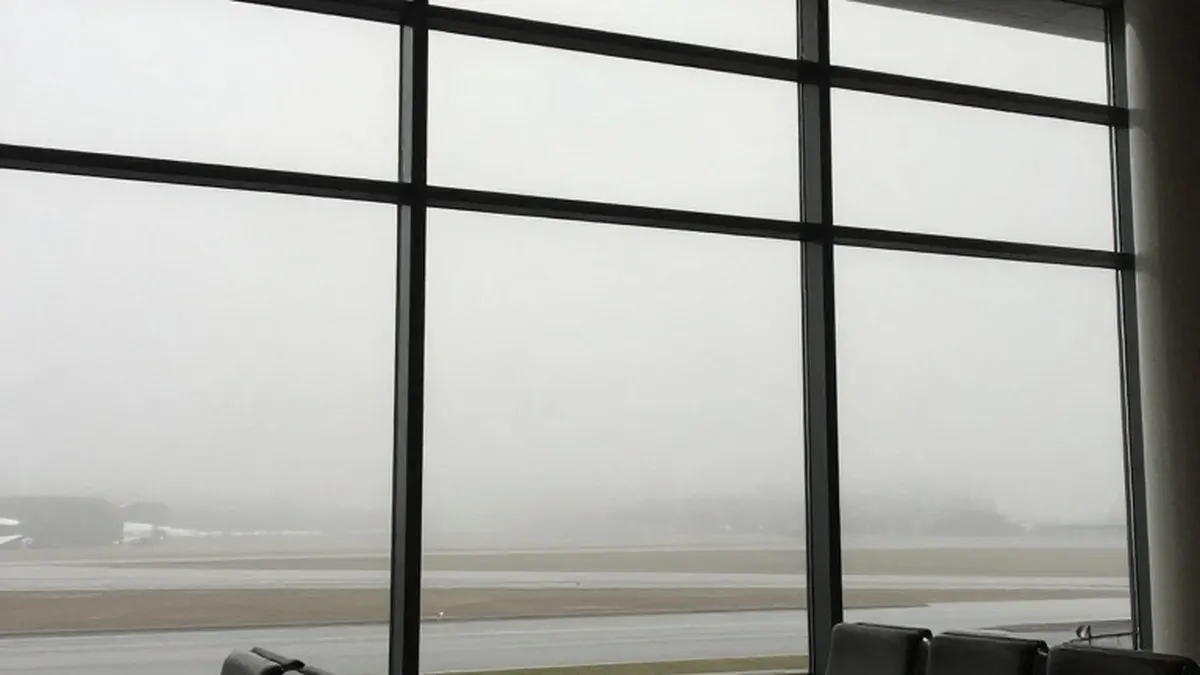
Will Wade and the LSU Tigers have become the primary focus of the ongoing NCAA eligibility debate, a status cemented by a recent absence from SEC media days. Last month, SEC associate commissioner Garth Glissman announced that Wade would not attend the annual gathering due to fog at the Baton Rouge airport. While local meteorologists confirmed the weather conditions, the explanation sparked immediate skepticism on social media. Conspiracy theories quickly emerged, questioning the validity of the reason given for the absence of the 43-year-old coach, who has long been a figure of controversy in college basketball.
The controversy surrounding Wade stems from his unconventional approach to roster construction in his second stint at LSU. After being fired in 2022 following a federal wiretap scandal, Wade returned to the program with a plan that pushes the boundaries of recruiting. His current squad includes international talents, fifth-year standouts requiring judicial approval, and nontraditional players with professional experience. This strategy has drawn sharp scrutiny from conference and national governing bodies.
A significant point of contention is the signing of RJ Luis, a former St. John's star who signed two-way contracts with the Utah Jazz and Boston Celtics after going undrafted in the 2025 NBA draft. The SEC has filed a federal lawsuit against LSU, partly due to the head football coach Lane Kiffin and Wade's pursuit of players with professional backgrounds. SEC Commissioner Greg Sankey expressed concern about the conference's relationship with the founding member, noting that the league had threatened to oust LSU over these issues.
Wade’s path back to Baton Rouge has been marked by significant hurdles. After his 2022 dismissal, he spent time as a consultant in Chattanooga, Tennessee, before coaching at McNeese State and NC State. At McNeese, he led the team to its first NCAA tournament appearance in 22 years. He later joined NC State, where he dismissed rumors of a return to LSU, only to be hired by the Tigers in March 2026 after NC State lost to Texas in the First Four.
Since his return, Wade has moved quickly to assemble a team, promising to build it fast through the transfer portal. However, the process has been slower than anticipated due to complex eligibility rules. Several key recruits, including international players and those seeking a fifth year of eligibility, have faced delays or obstacles. For instance, Marcio Santos, a European center, returned to Europe after signing a multiyear deal in Spain, while Yam Madar, an Israeli point guard, also signed a professional contract due to eligibility concerns.
The NCAA and SEC have taken firm stances on these issues. In August, the NCAA blocked a federal court ruling in Colorado that had granted a blanket waiver to all Class of 2022 players seeking a fifth year of eligibility. The SEC subsequently joined the Big Ten in prohibiting players who previously declared for professional basketball from rejoining college athletics without properly withdrawing. This move directly impacts several of LSU's key commits, including Luis, Brice Dessert, and Saliou Niang.
Despite these challenges, Luis secured a preliminary injunction from a Baton Rouge Parish District Court judge, allowing him to play for LSU this season. The ruling highlights the legal battles that have become a defining feature of Wade's second tenure. As the 2026-27 season begins, the fog surrounding Wade's roster remains thick, with the official team website listing only four signed players as of late September. The situation serves as a metaphor for his second chance: the storm has calmed enough for takeoff, but the uncertainty persists.
Wade maintains that LSU basketball is meant to compete at the highest levels, rejecting notions of mediocrity. He has cited deep ties to Louisiana, including relationships with state and university officials, as factors in his return. As the season unfolds, all eyes remain on whether Wade can navigate the legal and regulatory minefield to build a championship-caliber team, a task that has made him the central figure in modern college basketball's eligibility discourse.