Indonesian President Prabowo Subianto has apologised to Singapore and Malaysia after smoke from months of wildfires spread across their borders. He delivered the apology during a session of the ASEAN summit, which opened on Sunday in Manila, according to Indonesia’s presidential office.
Prabowo said his administration had taken firm measures against companies involved in forest fires and would continue doing so. He also outlined plans for a new body intended to improve wildfire prevention. The presidential statement quoted him as saying Indonesia maintained a “zero-tolerance policy” towards companies contributing to the fires.
Describing the enforcement measures, Prabowo said authorities had revoked 17 company concessions. He cited 26 companies under investigation, 11 that had been charged and another 23 listed for charges. He also said police were investigating 104 companies in total. Indonesia had deployed 71,000 forest firefighters, he added, while 16 people had died fighting the blazes.
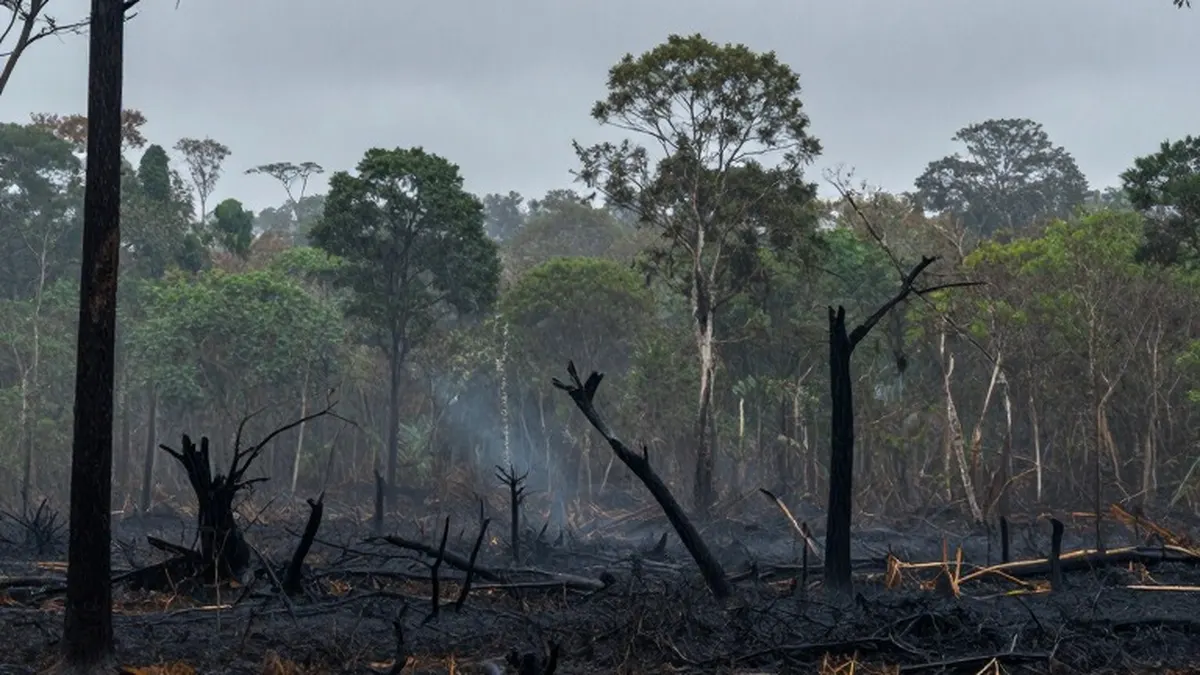
The fires have been Indonesia’s most intense in 11 years, burning extensive areas primarily on Sumatra, Borneo and Papua. Smoke has covered parts of neighbouring countries over recent months, particularly Singapore and Malaysia. Both countries have offered help in fighting the fires and have refrained from criticising Indonesia.
At a news briefing later on Sunday, Philippine Foreign Minister Theresa Lazaro said Jakarta had spoken frankly during the summit’s plenary session about its efforts to address the fires. Prabowo’s apology followed criticism of comments made in October by Indonesian Government Communications Agency chief Syahganda Nainggolan, who argued that Indonesia’s forests supplied oxygen to Singapore and Malaysia when they were not sending smoke.
Regional cooperation on the recurring haze problem is governed by the 2002 ASEAN Agreement on Transboundary Haze Pollution. The legally binding accord commits the Association of Southeast Asian Nations’ 11 members to address cross-border air pollution through national action and closer regional and international cooperation.
The agreement nevertheless provides no mechanism for enforcement through a judicial institution such as the International Court of Justice. Disputes about how the treaty should be interpreted or applied must be resolved through negotiation. Implementation has been slow, with its coordinating office in Jakarta opening only in April, almost 25 years after it was envisaged.
Prabowo addressed neighbouring countries as the cross-border haze was beginning to ease. On Thursday, the ASEAN Specialised Meteorological Centre reported no transboundary smoke haze in southern Southeast Asia. The improvement has been linked to recent heavy rain and a reduction in fire hotspots in Indonesia’s Sumatra and Kalimantan provinces.