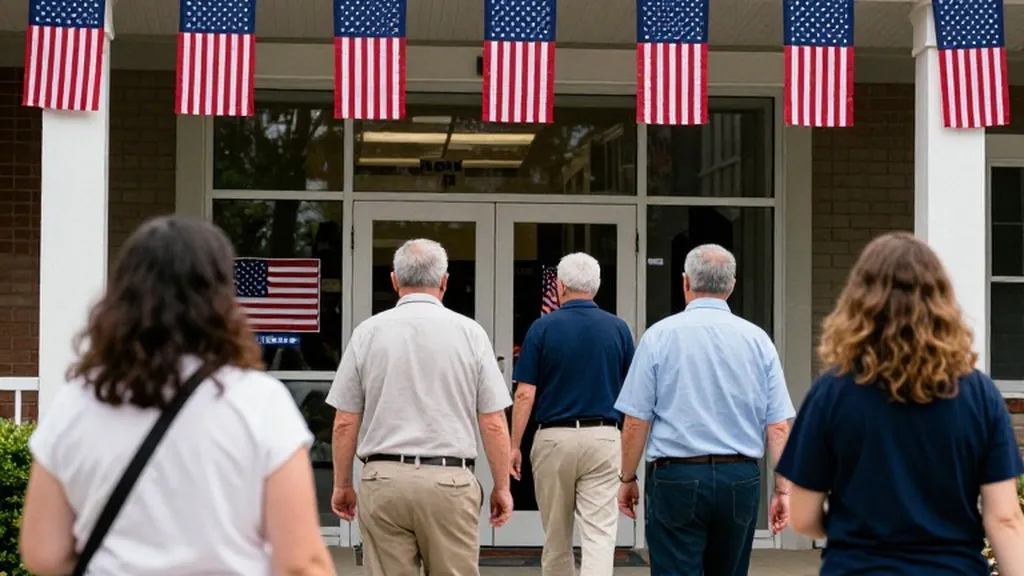
Election Day has arrived with voters across the nation weighing a complex set of issues that define the trajectory of the second Trump term. The Associated Press describes the current political mood as a referendum on the administration, with many citizens struggling with high prices and expressing anger over an unpopular war with Iran. This conflict has become a central fixture of the campaign trail, influencing how both parties frame their messages to undecided voters in key battleground states.
The war with Iran is no longer a distant foreign policy debate but a tangible factor in domestic politics. According to the Associated Press, this conflict is a primary driver of voter dissatisfaction, sitting alongside economic anxieties as a top concern for those casting ballots today. Candidates from both parties have addressed the issue, with Republicans often emphasizing security and strength, while Democrats focus on the financial and human costs of the engagement. This divergence has sharpened the contrast in the 2026 midterm elections.
In the U.S. House, all 435 seats are up for grabs, with Democrats needing a net gain of three districts to seize control from the Republicans who currently hold 218 seats. The Associated Press notes that one or two seats could tip the balance of power in either chamber, making the margin for error extremely thin. This precarious situation means that the war with Iran, as a popular or unpopular issue, could swing the outcome in closely contested districts where voters are still deciding their final preferences.
The Senate race is equally tight, with 35 seats on the ballot and Democrats needing a net gain of four seats to achieve a majority. Ballotpedia identifies 13 Senate races as battlegrounds, including states like Maine, Iowa, and Georgia. In these states, the war with Iran serves as a backdrop for debates on foreign policy and national spending. The AP reports that economic strain and tariffs have made states like Maine competitive, suggesting that the cost of the conflict is being felt in the pockets of voters who must weigh these factors against their party loyalty.
President Trump has been actively campaigning to influence the outcome, holding dozens of rallies in recent weeks. His schedule included stops in Mississippi, South Carolina, and Texas, where he urged voters to treat the midterm as a direct vote on his leadership. At a rally in Salina, Kansas, he told supporters, "I really want you to pretend I'm on the ballot." This strategy highlights the administration's belief that the war with Iran and other executive actions are key to maintaining Republican control of Congress.
Democrats, meanwhile, are cautiously optimistic about their chances, with party leaders arguing that the American people are angry and want change. Rep. Suzan DelBene, the DCCC Chair, stated that the mood among voters reflects a desire for a shift in direction. The war with Iran has become a focal point for these arguments, with Democrats contending that the conflict has drained resources and attention from domestic issues like healthcare and housing. They argue that a Democratic win would allow for greater oversight and a reevaluation of the administration's foreign policy stance.
Republican leadership is bracing for a potential loss of the House while fighting to hold the Senate. RNC Chairman Joe Gruters emphasized the importance of turnout, saying, "Everything depends on turnout. If we turn out our voters, we win, and that's what we've been planning for." The party is counting on the base support generated by the war with Iran and other security issues to drive voters to the polls. They believe that a strong showing in the Senate will protect the president's agenda and limit the ability of Democrats to conduct investigations.
Voter sentiment is mixed, with polling from the AP-NORC showing that 35% of U.S. adults approve of Trump's job performance, while about seven in ten say the country is heading in the wrong direction. Many voters blame the president for high prices, which are exacerbated by the economic ripple effects of the war with Iran. In Palm Beach Gardens, Florida, voter Mark Barker expressed support, stating he believes the president is doing an awesome job. In contrast, James Moore, a librarian in Raleigh, North Carolina, cited higher taxes and healthcare costs as reasons for his concern, reflecting the broader national divide.
The election also carries significant implications for the future of the administration, with a Democratic win in either chamber likely to trigger investigations and possible impeachment proceedings. House Democratic Leader Hakeem Jeffries has outlined a 100-day agenda focused on the cost of living and oversight, which would include a closer look at the decisions made during the war with Iran. Republicans, on the other hand, are trying to beat the historical midterm pattern where a president's party almost always loses seats, relying on redistricting efforts and the momentum of their base.
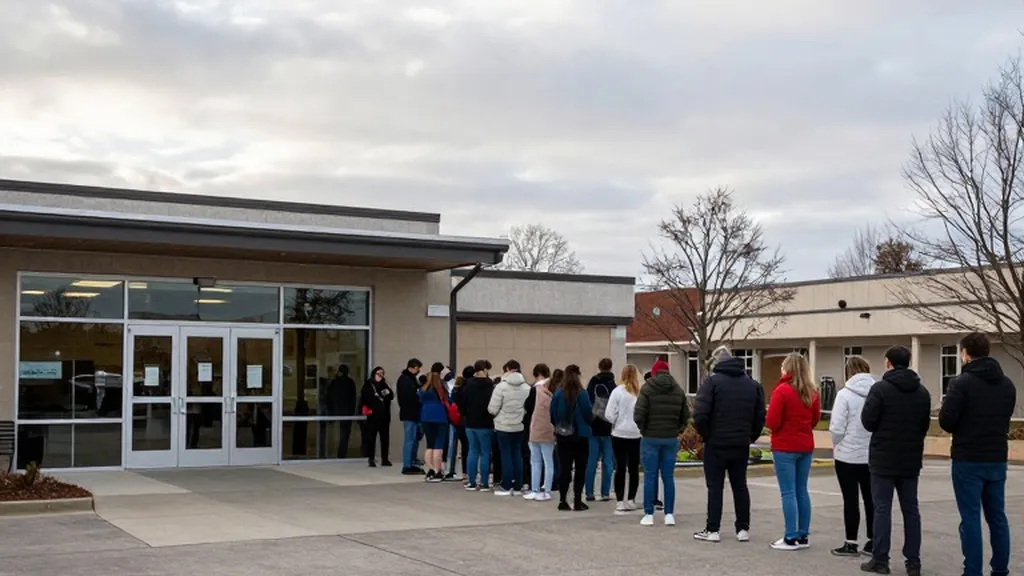
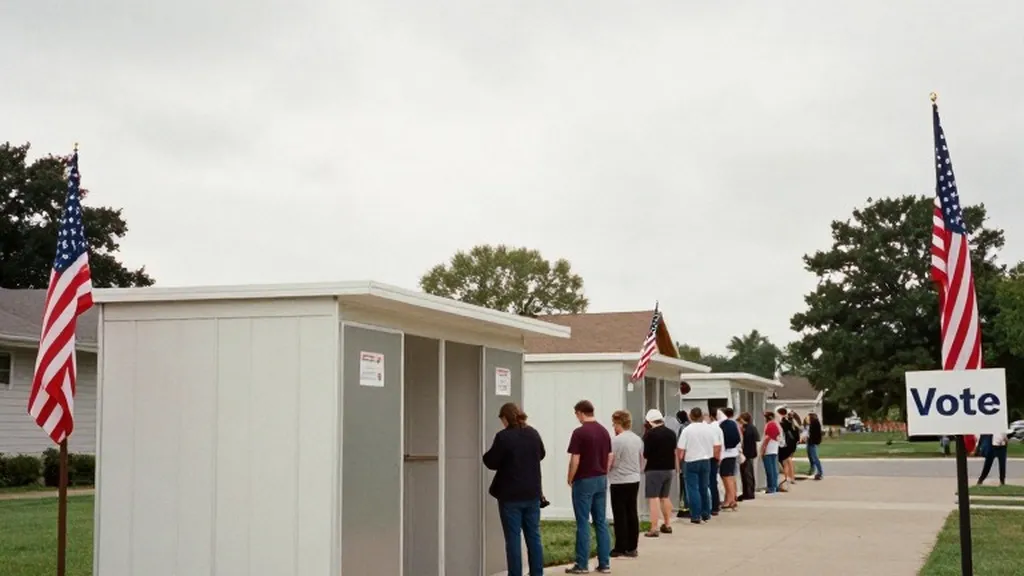
As polls open across the country, the focus remains on the practical implications of the war with Iran for everyday voters. The Associated Press notes that more than 57 million people had already voted as of Monday, surpassing early vote totals from four years ago. This high level of participation suggests that the issues at stake, including the conflict with Iran, are compelling enough to drive early and in-person voting. The results will determine who controls the legislative agenda for the next two years and how the administration proceeds with its foreign and domestic policies.
The election administration has faced some challenges, with federal judges temporarily barring the Trump administration from certain plans regarding noncitizen voting. These legal battles have added a layer of complexity to the election day process, with critics arguing that the moves risk disenfranchising eligible voters. The U.S. Postal Service has added resources to ensure mail ballots are counted on time, ensuring that every vote is recorded. The outcome will not only shape the composition of Congress but also the direction of the country in the midst of an ongoing international conflict.