Tens of thousands of people were preparing to demonstrate in Rome, Milan and other Italian cities on Friday, October 30, amid anger over living costs and military spending. The planned nationwide action follows weeks of unrest in Italy and elsewhere in Europe, with authorities anticipating further disruption from strikes, marches and port blockades.
The Unione Sindacale di Base, known as USB, and other trade unions urged workers in the public and private sectors to join the strikes and protests. Large demonstrations were also expected in 50 other Italian cities and towns. Protesters were preparing to block ports including Genoa, Livorno and Trieste, extending the action beyond the country's streets.
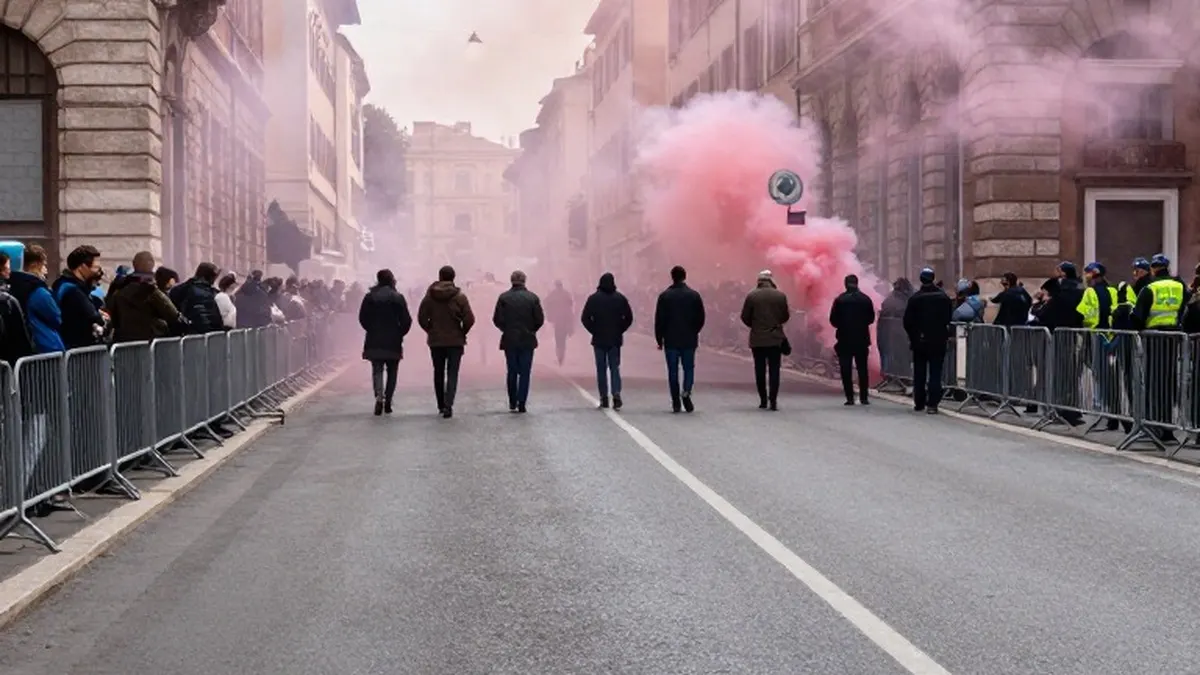
In Rome, participants gathered for the march carrying communist and Palestinian flags and signs opposing the war in Iran. Pink smoke rose from smoke bombs set off by some demonstrators. The atmosphere before the procession was cheerful, although previous protests have begun in a similar mood before turning violent. Police maintained a substantial presence, with riot units on the ground and drones and helicopters overhead.
Giovanna Di Matteo, a member of the left-wing Potere al Popolo! party, said her protest was directed at a government that had failed to help people. She accused it of spending on the military while reducing welfare and services, leaving households struggling to cover housing and gasoline costs or make their money last through the month.
Earlier in October, masked groups looted shops in Milan and other locations and hurled objects at police. Officers used tear gas and water cannons in response. Protesters also stormed Rome's historic Colosseum on Saturday. In southern Italy, farmers and truck drivers have blocked highways and ports over fuel prices, which have increased since the war in Iran.
Prime Minister Giorgia Meloni, whose administration has emphasized law and order, expressed respect for peaceful demonstrators in a post on X earlier this month. Her right-wing government has since brought in tougher penalties for rioters, including making parents financially liable when their children participate in vandalism and looting. Announcing the measures, Meloni described theft and vandalism as criminal acts. The government also said 500 soldiers would support police in Milan through the end of 2026.
The Italian demonstrations appear to draw some inspiration from France, where student protests over education expanded into broader action over living costs and social security. The unrest there developed into some of the country's worst rioting in decades.
Protests have also spread elsewhere in Europe. A large tent encampment has occupied a square in Spain's capital since late September, while thousands have marched in Lisbon. In Brussels, authorities used tear gas and water cannons against protesters dressed in black.