Early results from Israel's election suggest that Prime Minister Benjamin Netanyahu has performed better than most forecasts predicted, with his Likud party emerging as the largest single party. Even so, the count is still arriving and no clear winner has emerged.
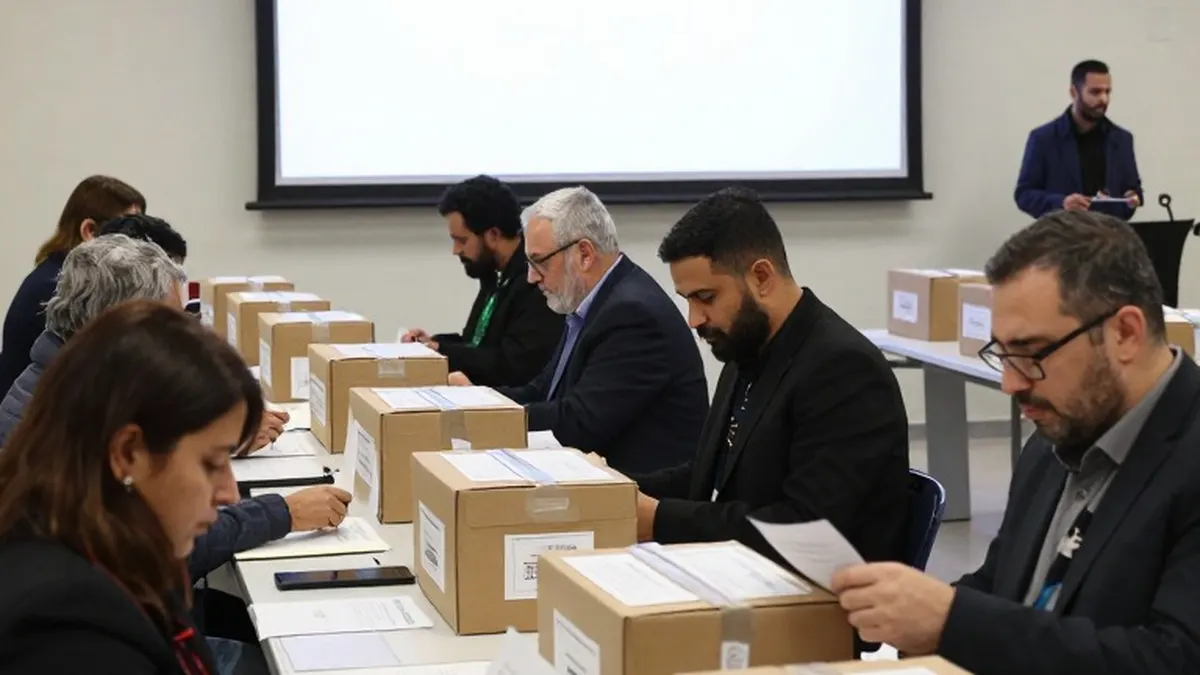
Netanyahu's existing bloc, made up of ultra-nationalist and ultra-Orthodox Jewish parties, appears to be just short of the 61 seats needed for a majority in the 120-seat parliament. Analysts warn that the picture could shift, because the early count leaned toward areas known for strong right-wing support. Turnout was high, passing 77%.
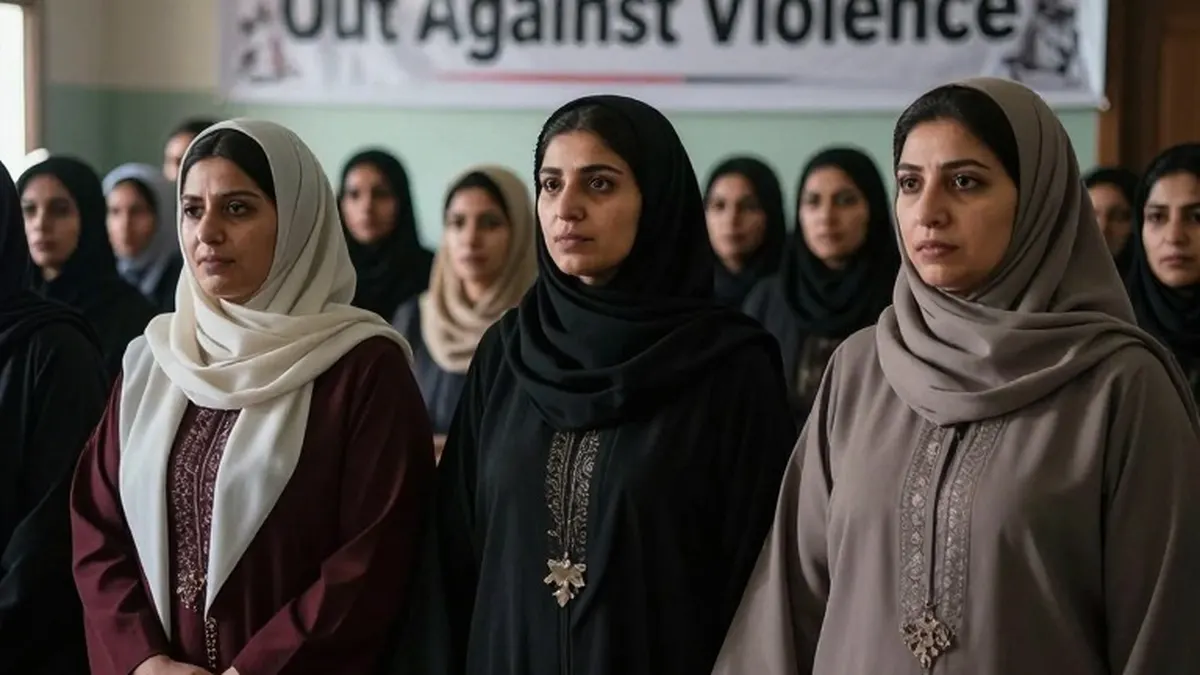
His main rival, former army chief Gadi Eisenkot, would likely struggle to assemble a majority without the support of parties led by Israel's Arab minority. Partial results show those parties have matched or improved on their previous record number of seats. Arab Israelis, who often identify as Palestinian citizens of Israel and make up one-fifth of the population, appear to have turned out in unprecedented numbers. Many viewed the vote as a make-or-break chance to defeat what they call Israel's most right-wing government ever, which they accuse of stoking racism and hatred.
A large uncertainty hangs over every projection. Many absentee ballots, mostly cast by soldiers, have yet to be counted, so a clear view of the final result is not expected for another day or two.
Both leaders spoke to supporters overnight and promised to form the next government. Netanyahu said the right-wing bloc had "a clear, decisive majority among the Zionist public," though he stopped short of declaring victory. Eisenkot, speaking to his Yashar party after exit polls that were initially more favorable to the opposition, said: "The public has chosen change." He pledged to work toward a "stable" Zionist government and to do so quickly.
The election again underlined deep divisions in Israeli society. It serves as a referendum on Netanyahu, who faces a corruption trial on charges he denies, and also as a vote on what kind of country Israel should be. His coalition has steered Israel in a hardline religious and nationalist direction over the past four years. Mass protests over its judicial overhaul plan came before the Hamas-led attacks of 7 October 2023, which set off wars in Gaza, Lebanon and Iran. Pollster Tamar Hermann of the Israeli Democracy Institute noted before the vote that the balance between pro-Netanyahu and anti-Netanyahu camps was roughly unchanged, adding that many expected Netanyahu to be finished after October 7th, but "it didn't happen."
Coalition bargaining has already begun. Journalist and author Yaakov Katz said each side will try to win over defectors or explore a minority government, but "it could take weeks or months" to see whether anyone can actually form one. Larger parties usually court smaller ones with cabinet posts, budgets or policy promises.
A key question is whether the opposition "change bloc" will break a taboo and seek a deal with the Arab parties. Most Jewish opposition parties pledged during the campaign not to work with them, and bloc leader Avigdor Lieberman said he would not sit in a minority government relying on their support. Mansour Abbas, head of Ra'am, the smaller Arab list, said he wants to join the next government and is unconcerned by such statements. "All politicians in Israel say one thing before elections and speak a different language after elections," he said. Meanwhile, Netanyahu and his allies have begun a campaign to delegitimise the Arab parties.
Next week, final results will go to President Isaac Herzog, whose role is largely ceremonial. He will consult the elected party leaders and ask the candidate most likely to succeed to try to form a coalition. That candidate has up to six weeks, after which others may be allowed to try. If no one succeeds, a new election will be held in the following months. Until then, Netanyahu's government remains in a caretaker role without authority for major policy changes.