A child in northern New York has died in connection with an ongoing measles outbreak, state health officials announced Monday, Nov. 2. It is the first measles-associated death reported in the state in more than 30 years. The child lived in Lewis County, a rural county in the northern part of the state.
In a statement announcing the death, state health officials expressed sorrow and offered condolences to the child’s family and loved ones. They also asked that the family’s privacy be respected. The announcement did not include further information about the child.
New York has recorded 178 measles cases so far this year, according to the state health department. Most of those infections have occurred outside New York City, with 170 cases reported elsewhere in the state. Lewis County has reported 15 cases as part of the statewide total.
Gov. Kathy Hochul declared the outbreak an emergency in October. Following Monday’s announcement of the child’s death, she again emphasized vaccination as a way to protect against the disease. “Measles is highly contagious, and vaccination remains our best protection against this dangerous disease,” Hochul said in a statement.
The announcement comes as neighboring Pennsylvania confronts what is described as the nation’s worst measles outbreak in 30 years. The Pennsylvania Department of Health had reported 1,433 cases as of Monday, including 269 hospitalizations. Six people have died in that state.
Nationally, the Centers for Disease Control and Prevention had recorded 4,852 measles cases as of Oct. 30. That national count predates the figures reported Monday for New York and Pennsylvania. New York officials urged people to check that they are current on their measles, mumps and rubella vaccinations, commonly known as MMR.
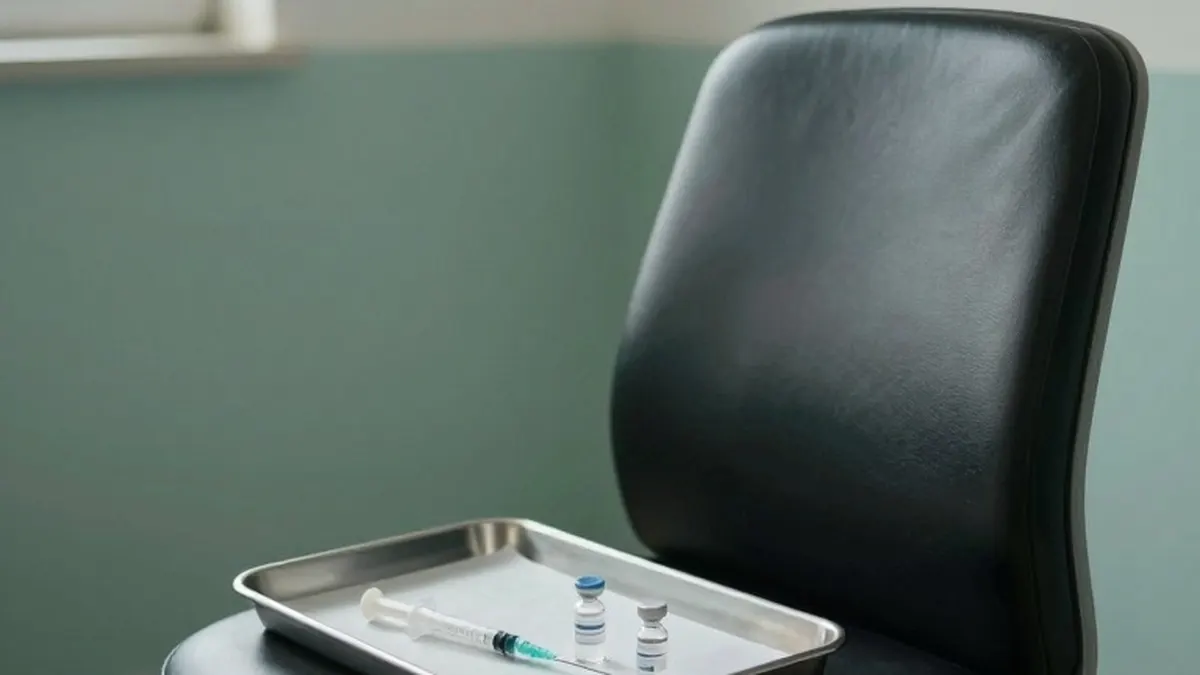
The usual vaccination schedule calls for an initial dose at about 1 year of age, followed by a second at about age 5. Together, the two doses provide 97% protection against measles. That protection generally lasts for life.
During an outbreak, vaccination is also available to babies as young as 6 months old. That early dose is given ahead of the two routinely recommended shots, rather than taking the place of the regular two-dose schedule.