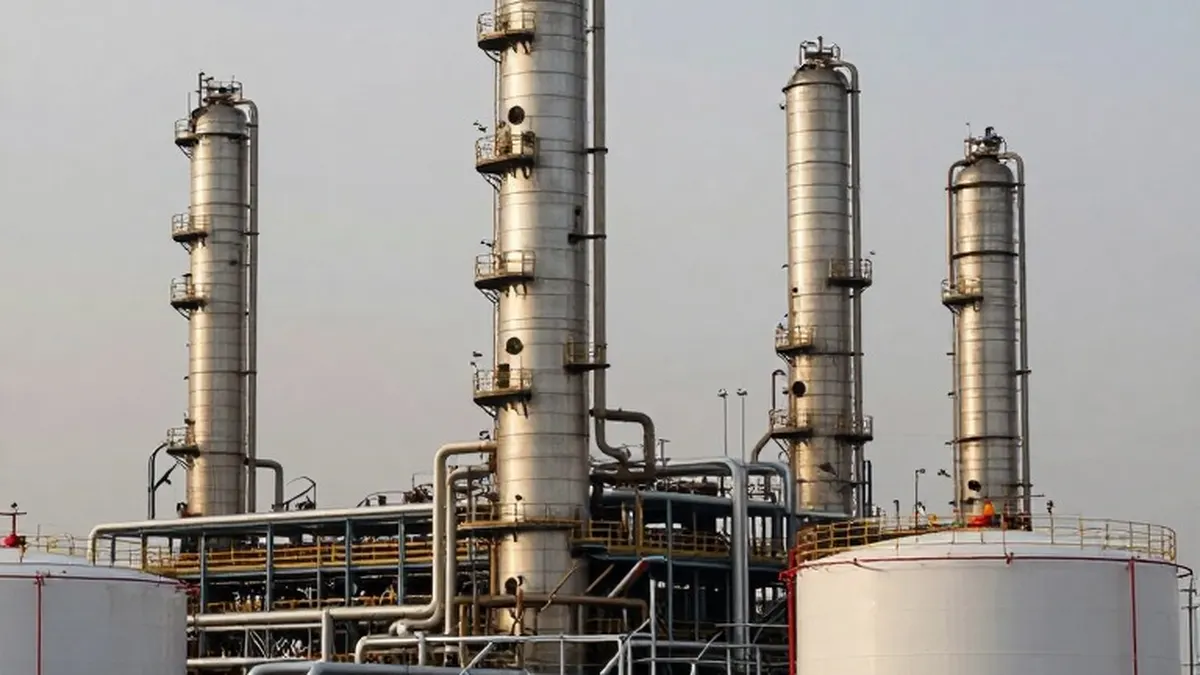
ExxonMobil, Shell and Chevron reported combined quarterly earnings of just over $36 billion on investor calls this week, as disruptions linked to the war in Iran drove up the value of oil produced elsewhere. ExxonMobil earned $15.4 billion, more than twice its earnings a year earlier. Shell's earnings nearly doubled to $10.8 billion, while Chevron reported $9.9 billion, an increase of 180%.
The results follow another quarter of sharply higher profits, with reduced oil flows through the Middle East largely responsible for the gains. Brent crude is trading at roughly $113 per barrel, compared with about $70 before the war. Demand for oil, gasoline, diesel and heating oil has remained relatively steady because households and businesses continue to depend on those fuels for transportation, heating, farming and deliveries.
Dan Pickering, founder of Pickering Energy Partners, said major producers can command much higher prices for barrels extracted in the United States, Latin America and Europe. Executives said substantial portions of their profits would reach shareholders through dividends and share repurchases. Shell announced one of its largest buybacks, and Exxon announced its biggest quarterly dividend.
Companies are generally holding back on spending for projects such as new drilling, according to Pickering, because geopolitical events are driving the price surge and its duration is uncertain. Keeping cash available also helps producers weather the industry's price cycles. He said companies were largely banking the proceeds while waiting to see how conditions develop into 2027.
Consumers face a different picture. Gasoline costs about $1.20 more per gallon than a year earlier, according to AAA, while diesel remains near the record reached in September. Exxon CEO Darren Woods acknowledged the consequences for households and economic growth, saying the company was maximizing production to ease shortages. Chevron CEO Mike Wirth similarly emphasized getting as much output as possible from the company's systems.
Executives described a major supply shock involving both the Iran war and Ukrainian attacks on Russian refineries, which have removed substantial refining capacity from operation. They offered little indication that conditions would improve soon. Shell CEO Wael Sawan said he had previously expected a temporary price spike, but rapidly falling inventories were helping sustain higher prices. The U.S. Strategic Petroleum Reserve is low, and Europe has released crude and diesel supplies. Rebuilding those stocks will take time, he said.
Democrats in the House and Senate have proposed taxing windfall profits generated by geopolitical circumstances rather than innovation. Bills introduced this spring would distribute some proceeds to Americans through tax rebates. Senator Sheldon Whitehouse, the Rhode Island Democrat sponsoring the Senate measure, also said earlier this year that he hoped the proposal would highlight the increasing cost competitiveness of renewable energy.
University of Massachusetts Amherst economist Isabella Weber, who has studied windfall taxes abroad, said such measures could narrow the divide between oil company earnings and consumers' costs. She argued that large emergency-driven profits raise questions about who benefits during a crisis. Executives did not discuss the taxes on this week's calls, though Woods opposed them last quarter, arguing that they punish companies seeking success in a volatile business.
Ahead of the midterms, the Trump administration has temporarily eased federal restrictions on dyed diesel used in farming and lifted sanctions against Russia to bring additional diesel onto global markets. Those steps are unlikely to reduce U.S. prices: potential Russian supplies represent only a small share of daily U.S. demand, and most drivers still cannot access dyed diesel. Substantially cheaper fuel is unlikely by Tuesday.