Global oil markets experienced an upward shift on Friday, November 6, 2026, as investors carefully assessed the geopolitical landscape between the United States and Iran. The price increases reflect a complex market sentiment that weighs the potential for renewed military escalation against the emerging possibilities for a diplomatic breakthrough in the ongoing nuclear standoff.
Brent crude futures recorded a 1.67 percent gain, reaching 99.90 dollars per barrel. Simultaneously, U.S. West Texas Intermediate crude futures rose by 1.43 percent to settle at 91.69 dollars per barrel. These movements indicate a significant market reaction to the shifting balance of power and security concerns in the Middle East.
The primary driver behind the price hike appears to be the conclusion of the U.S. midterm elections. Market participants are now evaluating whether the post-election political climate could encourage the administration to take stronger actions against Iran. Such moves could potentially disrupt oil supplies from the region, which remains a critical artery for global energy distribution.
Bob McNally, the founder and president of Rapidan Energy Group, provided a quantitative outlook on the situation during an appearance on CNBC's Squawk Box Asia. He assessed the probability of military fighting resuming at 80 percent. Based on this high likelihood of conflict, McNally forecasted that both major oil benchmarks could climb above the 100 dollar per barrel threshold.
Despite the aggressive military outlook, diplomatic channels have not been entirely closed. Reuters reported, citing a senior Iranian official, that Tehran has sent a nuclear proposal to Washington. This communication was reportedly facilitated through Qatar, signaling an effort to find a negotiated solution to the nuclear issue.
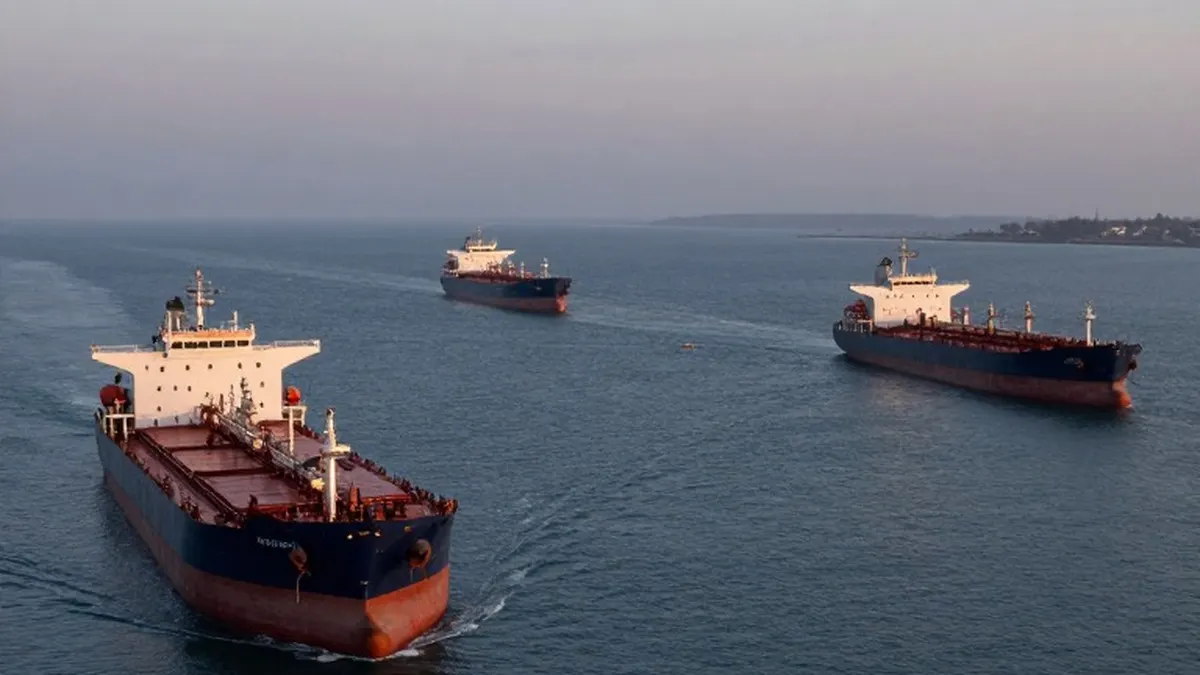
Physical security concerns in the region have also intensified. Iran reported three additional attacks on oil tankers in the Strait of Hormuz on Thursday. This incident adds to a broader trend of maritime instability, as data from the UK Maritime Trade Operations indicates that attacks on vessels are continuing at a rate that is near the all-time high.
McNally emphasized the personal determination of U.S. President Donald Trump in the diplomatic and military calculus. He stated that the President is determined to prevent Iran from acquiring a nuclear weapon, viewing it as a key legacy item. According to McNally, this goal is being pursued almost at all costs, including demanding that Iran surrender its existing nuclear capabilities.
The expert noted a fundamental disconnect between the two parties. While the U.S. seeks a definitive reduction of Iran's nuclear power, the Iranian regime is currently unwilling to meet those demands. McNally argued that as long as this core difference persists in the negotiation space, the dynamic of escalation will remain a dominant feature of the geopolitical environment.
This perspective is not unique to McNally. Other prominent analysts, including Samy Chaar, the chief economist at Lombard Odier, and Luca Bindelli, the head of investment strategy at the same firm, share a similar view on the risks and potential outcomes of the current standoff.