Pope Leo XIV has issued a strong call for justice regarding environmental defenders who have lost their lives while protecting the Amazon rainforest. The pontiff sharply criticized the exploitation of the world's largest tropical forest during a recent meeting with a predominantly Indigenous audience in the Peruvian Amazon. This event took place as part of his twelve day tour across South America, which has brought him to several key locations in the region.
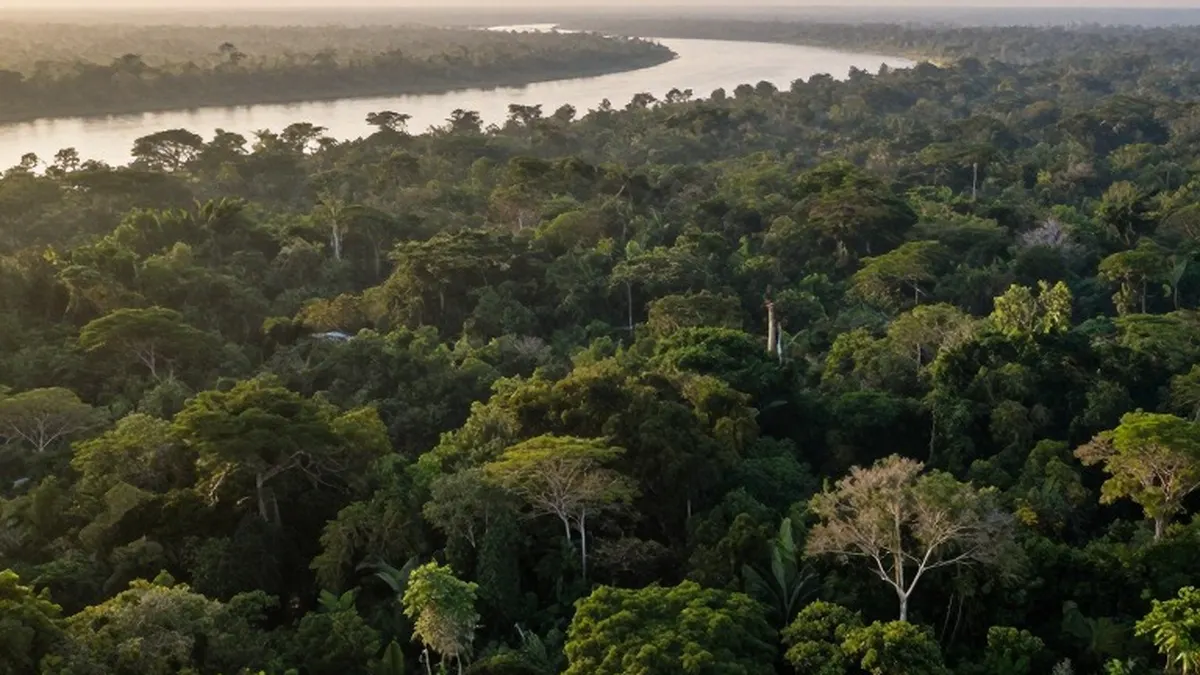
On Sunday, the 71 year old head of the Roman Catholic Church urged Catholics to actively oppose the deforestation and pollution associated with gold and oil extraction. He expressed his support for the ongoing efforts by Indigenous communities to safeguard their territories from illegal mining, logging, and what he described as an insatiable thirst for domination. The setting for this address was the city of Pucallpa, deep within the Amazonian rainforest.
The pope highlighted the severe environmental damage inflicted upon the region. He noted that the audience was well aware of the harm caused by indiscriminate deforestation and the pollution of rivers resulting from illegal mining and oil spills. Leo emphasized that these issues are not merely isolated accidents but rather the direct consequences of irresponsible resource exploitation, which threatens the very existence of local communities.
A central theme of the address was the demand for justice in the face of growing violence against leaders who stand up for their land. The pontiff referenced estimates from environmental groups indicating that 57 murders were committed between 2010 and 2024. He stated that many Indigenous leaders have been killed specifically for defending their territories. The crowd responded with applause as he declared that the blood of these brothers cries out to God and demands justice.
Communities across Peru are currently facing increasing pressure from a combination of illegal logging, gold mining, coca cultivation, and agricultural expansion. A report by Amazon Watch, an organization focused on Indigenous rights and environmental advocacy, indicates that communities resisting these illicit commercial activities have experienced a rise in violence. The report notes that 35 Indigenous leaders were killed in Peru over the past fifteen years.
Recent legal developments in Peru reflect the ongoing struggle for accountability. In 2025, Peruvian courts upheld a twenty eight year prison sentence for four timber merchants following a decade long trial. These merchants were convicted of the murder of four Indigenous people who had opposed local logging operations. This case stands as a significant legal victory for those seeking retribution for past injustices.
The most recent conviction occurred in August of this year, when four individuals were sentenced to up to thirty five years in prison. They were found guilty of the 2023 murder of Indigenous leader Quinto Inuma Alvarado. These judicial outcomes underscore the long and often difficult path to securing justice for victims of environmental conflict in the region.
Data from Global Nature Watch reveals that deforestation continues to steadily shrink the Peruvian Amazon. The country lost approximately 200,000 hectares of natural forest in 2025. This loss of habitat highlights the urgent need for protective measures and sustainable management of the region's rich biodiversity.
Pope Leo, who is originally from the United States, has deep personal ties to the country. He spent about two decades serving as a missionary and bishop in Peru and is also a Peruvian citizen. This homecoming visit allows him to connect with a community that played a significant role in his religious career.
Prior to arriving in Peru, the pope visited Uruguay and Argentina. He is scheduled to conclude his Latin American tour in Lima, the capital of Peru, before departing for Rome on Monday. His visit has drawn significant attention to the environmental and social challenges facing the Amazon basin.