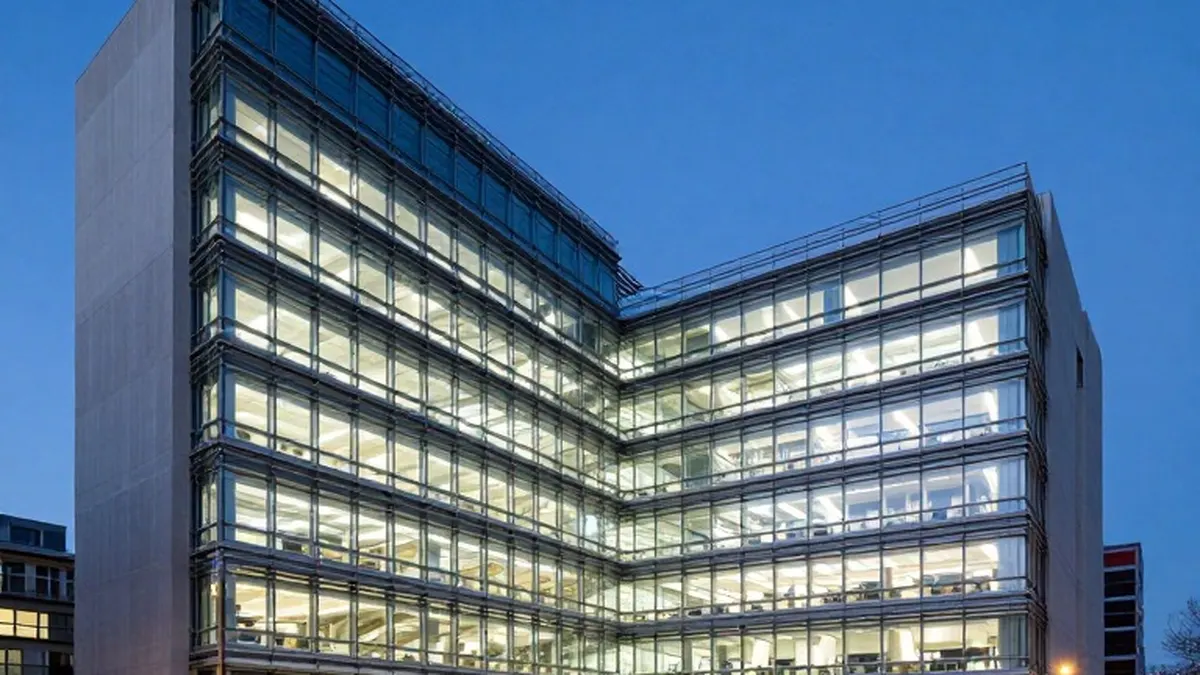
Powerhouse Parramatta, often referred to as the Opera House of western Sydney, opens to the public on Saturday after a decade of planning and significant controversy. The building’s distinctive white lattice exoskeleton, constructed from 1,300 individual pieces, wraps around 30,000 square metres of interior space. This structural design, built from 12,000 tonnes of steel, allows for massive column-free exhibition halls with ceilings up to 18 metres high, including the largest such space in Australia.
The project has faced scrutiny since its announcement in 2014, with critics arguing that the new venue diverted attention and funds from the museum’s older Ultimo site. The $915 million cost tag also drew attention, leading to a New South Wales Treasury investigation into governance and procurement. In late August, CEO Lisa Havilah was stood down while the inquiry unfolded, leaving the public to weigh the project's value as it finally welcomes visitors.
To mark the occasion, the museum is hosting a 23-day opening festival featuring performances, talks, and workshops, with 65 percent of the program free to the public. Despite the ongoing installation work visible during a recent visit, the building evokes a sense of calm. The design by Moreau Kusunoki and Genton emphasizes natural light and an airy palette of creams and light greys. Interior walls feature a textured render made from 600,000 locally sourced crushed oyster shells, creating a serene environment that contrasts with the building's bold exterior.
The flagship exhibition, Task Eternal, explores the history and culture of flight and space travel. It occupies the main hall and is structured around four acts rather than a strict chronology. Key items include sketches by Leonardo da Vinci, a 19th-century boomerang, an Apollo command module test model, and the spacesuit worn by Leonard Nimoy as Spock in Star Trek. The exhibit also features a zigzagging tower inspired by the short story Tower of Babylon by US author Ted Chiang, encouraging visitors to ascend and descend through different eras of aviation history.
A highlight of Task Eternal is a perception-testing installation by American light artist James Turrell, located at the top of the tower. This ganzfeld work invites small groups into a room with curved walls and shifting coloured light, simulating the disorientation experienced by pilots at high altitudes. The exhibition aims to weave in lesser-known histories, including First Nations technologies and cosmologies, to provide a broader perspective on humanity's relationship with the sky.
For younger audiences, The Dark offers a secret playground within a 22-metre replica meteorite. Visitors must leave their phones in bags to enter a series of glowing chambers filled with over 800 objects, ranging from sparkling minerals to retro toys. This exhibition includes the museum's first collected item, a jar of peas from 1882, and a shirt worn by Leonardo DiCaprio in Romeo + Juliet, blending nostalgia with discovery for children aged four to 12.
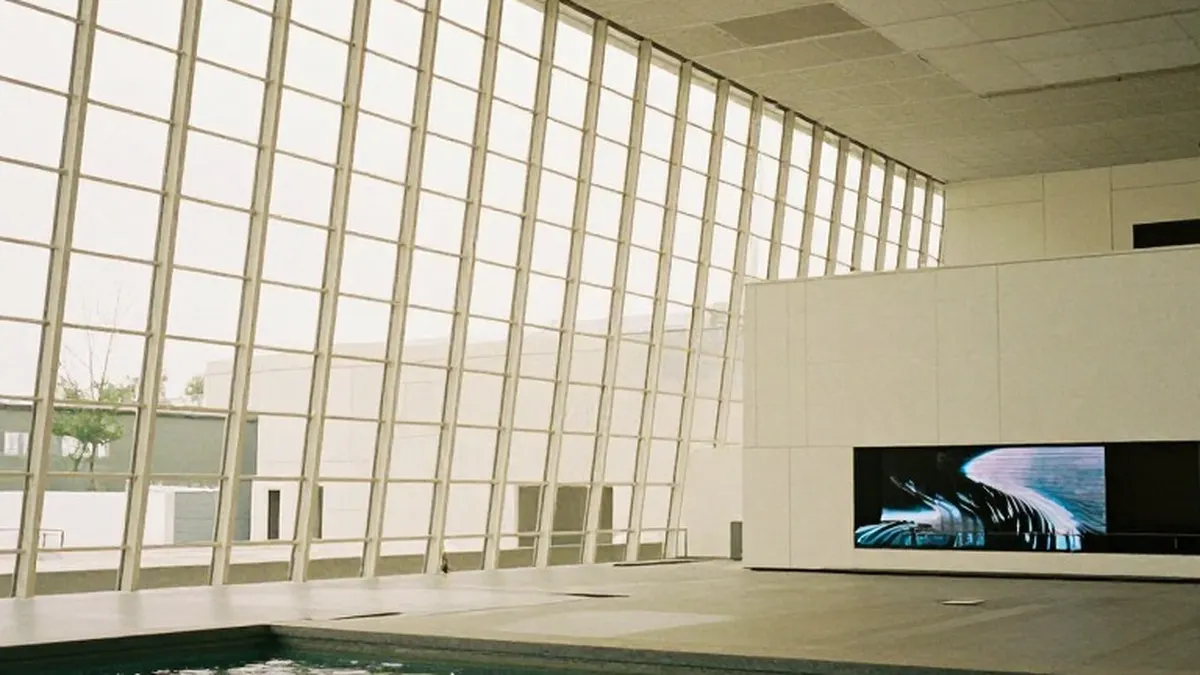
Another opening exhibit, Overflow, presents a 16-metre LED display of short films by director Ivan Sen. The installation features footage from seven Indigenous organisations in New South Wales that care for water and community. In front of the screen, a shallow pool reflects the tides of the Parramatta River, inviting visitors to remove their shoes and engage with the water. This installation honours the site's history as a flood plain and the natural movement of the river.
The final exhibition features the Australian debut of British designer Es Devlin. Her work focuses on participatory art and interactive design, including a giant mirror maze representing the geometries of lungs and trees. A central piece, Collective Portrait, invites strangers to sit at a long table and draw each other in silence, fostering a quiet interpersonal exchange. Devlin also created a temporary outdoor installation featuring sketches of 244 endangered local species, accompanied by choral performances at dusk throughout November.
Devlin describes the building as magnificent and believes the emotional connection forged through these exhibitions will make the venue a destination for visitors from far and wide. As the museum opens, it seeks to balance visual spectacle with moments of reflection, inviting the public to explore its collections and the stories they tell.