Russia is using optical and radar homing systems to improve the accuracy of ballistic missile attacks on Ukrainian bridges, according to presidential adviser and radio technology expert Serhii "Flash" Beskrestnov. His explanation follows strikes on two bridges in Kyiv, including an attack on the Pivnichnyi, or North, Bridge on the night of 6-7 November.
Beskrestnov said Russian missiles were hitting bridges with considerable precision despite the suppression of navigation across Ukraine during air raids. Under those conditions, he said, an Iskander missile would struggle to reach a target with metre-level accuracy using its inertial guidance system alone. He attributed the increased accuracy to homing heads that help guide the missile towards its target.
Describing how radar guidance works, Beskrestnov said the system scans the terrain during the several seconds in which the warhead descends. Information from that scan is then used to adjust the missile's guidance. His account links the precision of the strikes to corrections made during the descent, when the missile is approaching its target.
The War&Sanctions database maintained by Defence Intelligence of Ukraine, known as DIU, includes information about both optical and radar homing heads used in the 9M723 Iskander-M ballistic missile. The database identifies the 9E436 as an optical correlation homing head and the 9B918 as an active radar homing head.
According to the database, Russia's TSNIIAG JSC manufactures the 9E436 optical system, with NII Television JSC also involved in production. The 9B918 active radar system is manufactured by another Russian company, NPP Radar MMS JSC. Beskrestnov described the radar-guided homing heads as expensive.
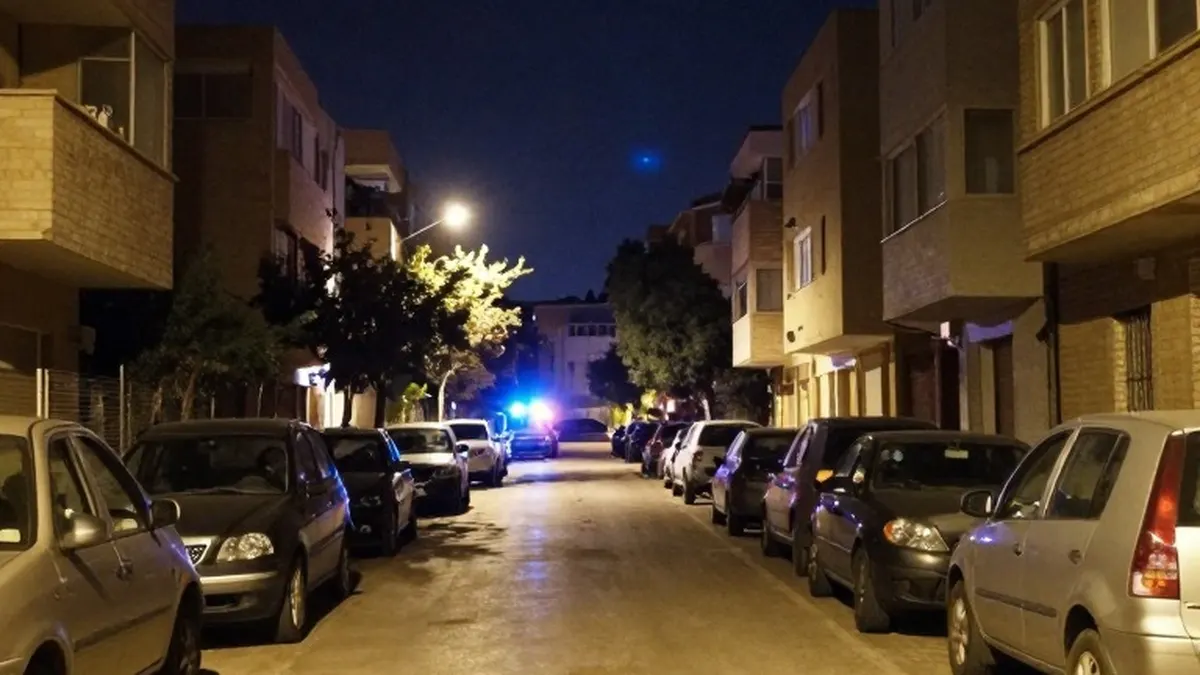
In the attack on Kyiv's North Bridge on the night of 6-7 November, Russia launched six ballistic missiles against the bridge, President Volodymyr Zelenskyy said. According to the president, four of those missiles struck the target.
The earlier attack targeted Kyiv's Pivdennyi, or South, Bridge on 27 October. Russian forces fired several ballistic missiles at it. Ukrainian Air Force spokesperson Yurii Ihnat told the national joint 24/7 newscast that the strike damaged the bridge deck.
DIU had also published information in August about 140 Russian and foreign components of the 9M723 Iskander-M ballistic missile. According to the intelligence reports, Russian companies manufactured only a quarter of those parts, while 63 components originated in the United States.