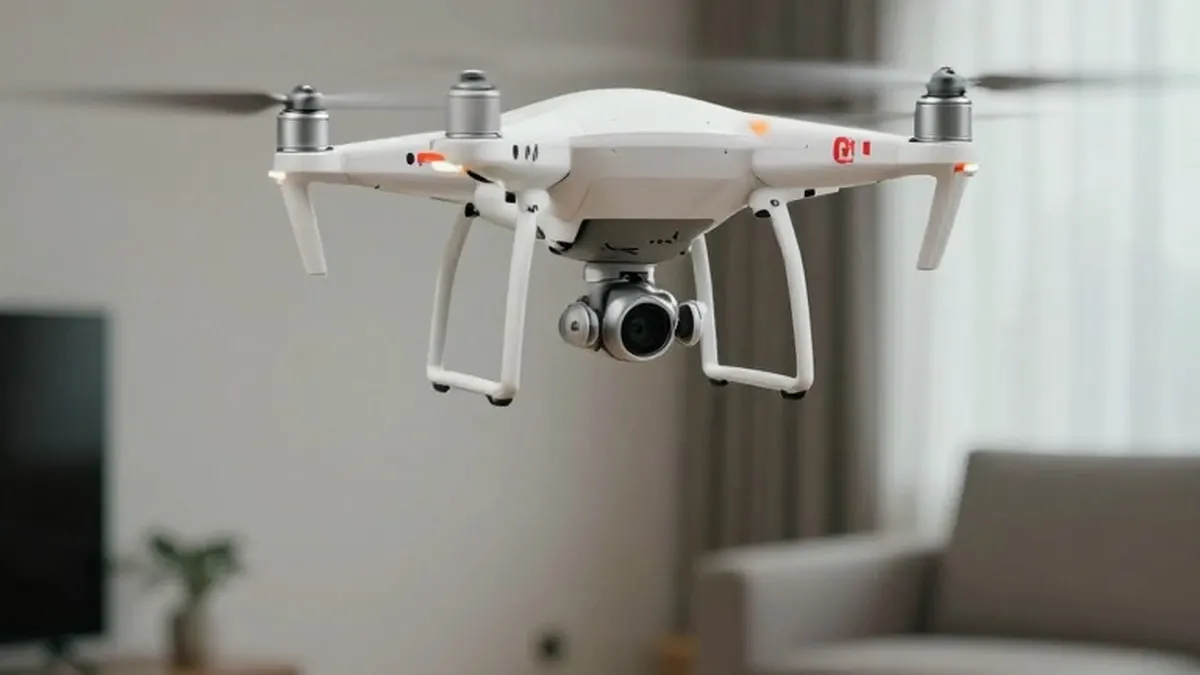
Ring has confirmed that its long awaited indoor drone camera will finally begin shipping to consumers. The device, known as the Ring Drone Cam, is scheduled for release on January 27, 2027, at a price of $249.99. Ring founder Jamie Siminoff announced the launch date and pricing during an event held in New York City this week. This release marks a significant milestone for the company, as it arrives nearly six years after the initial announcement of its first flying camera concept.
The new drone serves as a spiritual successor to the Ring Always Home Cam, a product that was unveiled in 2020 but never reached the market. Unlike its predecessor, the Drone Cam is designed to be a functional unit ready for household use. It is powered by artificial intelligence and is built to patrol a home when residents are absent. The system reacts to triggers from other Ring sensors, including motion detection, open doors, water leaks, or alarm signals. Upon activation, the drone flies along pre programmed routes to specific locations to livestream and record video directly to the Ring app.
Users can also schedule automated patrols or dispatch the drone manually. The device features 2K video resolution and a 148 degree field of view. Because the camera is mobile, it is capable of covering a full 360 degrees of a room. Ring positions the product as a potential replacement for multiple stationary cameras, offering comprehensive coverage of a home without the need for extensive hardware installation. The drone is strictly designed for indoor environments.
Privacy remains a central focus for the new device. Ring states that the camera only records while the drone is in flight. When docked, the camera lens is physically shuttered. Additionally, the motor noise during operation is significant, which the company argues prevents the device from operating unnoticed. Footage is secured using a new encryption system called TAKE, which stands for Throw Away the Key. This system rotates encryption keys every five minutes and deletes Ring's cloud copies after 24 hours. This approach limits Amazon's access to the data while still allowing for cloud based features such as smart alerts and AI powered video search.
The physical design of the Drone Cam has been significantly reduced compared to earlier prototypes. It weighs 165 grams and is roughly one quarter the size of the model demonstrated at CES in 2023. The camera is now integrated directly into the body of the drone rather than dangling from the center. Battery life remains a limitation, with Ring claiming a flight time of five to eight minutes per charge. Recharging takes eight minutes for every minute of flight, meaning a five minute sortie requires approximately 40 minutes of charging. This suggests the device is better suited for quick check ins rather than continuous monitoring.
During the launch event, the drone demonstrated smooth takeoffs and landings while navigating a simple living room layout. It followed pre planned paths with minimal wobble. Ring claims the device can navigate stairs and uses LED spotlights to see in the dark and deter intruders, though these specific features were not demonstrated. The drone avoids obstacles along its set routes, but its reaction to unexpected objects like pets remains untested in public demos.
Siminoff revealed that development has been ongoing since 2016, with two previous models nearly reaching shipment. The team struggled to fit autonomous flight technology into a sub $250 package. About a year ago, they restarted the process to build a more basic drone that relies on cloud processing for intelligence. This new AI Pilot system uses vision models and sensors to map the home and navigate autonomously. Siminoff described it as an AI agent controlling the robot. However, this reliance on the cloud means the drone depends entirely on an internet connection. If Wi-Fi is lost, the drone can only land.
The Drone Cam is launching in the United States as part of a new Ring Robotics line. It will be sold alongside the Ring Rover Cam, a $999.99 autonomous security robot for businesses that is built on Amazon's Astro home robot platform. The Rover also utilizes the AI Pilot system and is available for pre order, with shipments expected to begin on December 16, 2026. Both devices integrate with the Ring app and require a Ring Protect plan for video storage and advanced features. They will also work with Amazon's upcoming Alexa Home Map to understand the layout of a home and the location of sensors.
Ring is currently in the process of obtaining FCC certification for the drone. When asked about the FCC's regulations on foreign made drones, Siminoff stated that the Ring Drone Cam complies with all rules and noted that the device is assembled in the United States. While the company appears confident in the January timeline, the approval process highlights the increased scrutiny drones face in the consumer market.
The introduction of an AI piloted drone that can map a home and fly between rooms raises new questions about domestic privacy. As Ring expands its ecosystem with these mobile security devices, consumers will be watching closely to see how the company balances convenience with data protection in the year ahead.