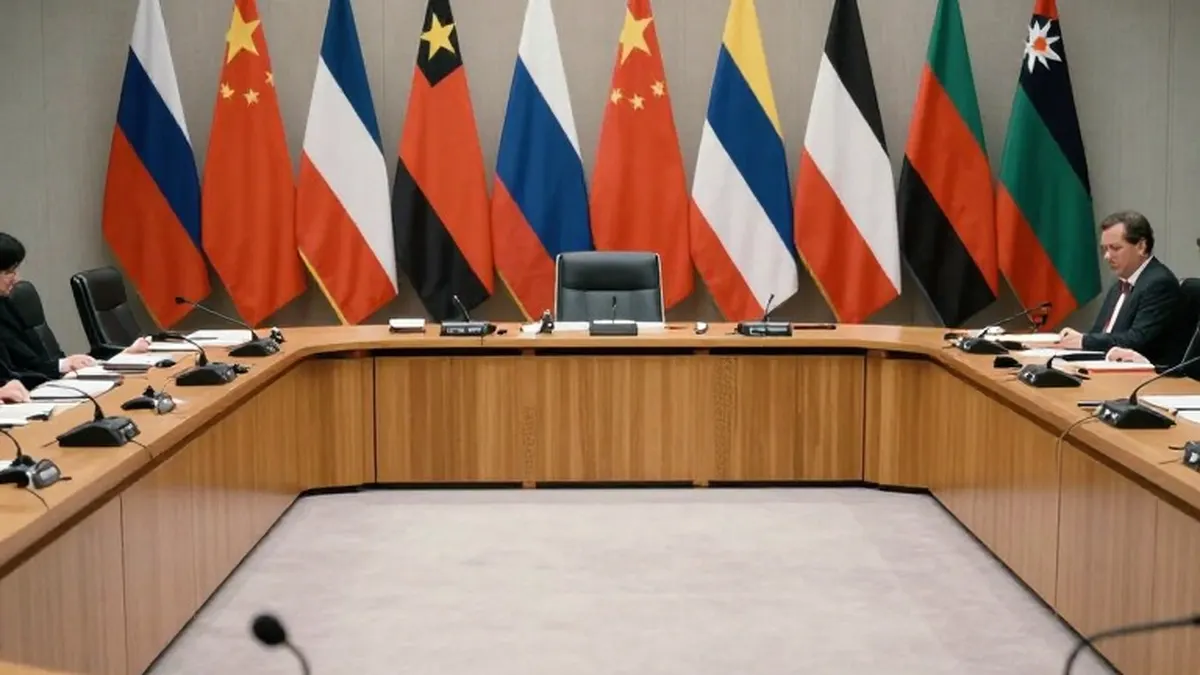
Russia has intensified its demands for a lasting peace with Ukraine by revoking a controversial proposal first introduced in December 2021. Following recent discussions with American envoys Steve Witkoff and Jared Kushner, the Kremlin stated that it requires a new long-term architecture of indivisible security and peace. In practical terms, Moscow seeks to fundamentally alter the security structure of Europe to secure advantages for itself, representing potentially the most significant shift in European security arrangements since the end of the Cold War.
The proposal centers on the draft treaties originally shared with the United States and NATO. These documents suggested that NATO should halt its eastward expansion and provide Moscow with strict guarantees that nations such as Ukraine and Georgia would never join the alliance. The plan also called for reducing NATO military infrastructure in central and eastern European countries that joined the bloc after the Soviet Union dissolved. Western leaders initially dismissed these demands as an unacceptable ultimatum, a rejection that preceded the full-scale invasion launched by Moscow two months later.
Yuri Ushakov, a key foreign policy aide to President Vladimir Putin, indicated that Russia is preparing to add new considerations to its list of demands. He cited Western efforts to inflict a strategic defeat on Russia as the reason for these additional conditions. While Western governments have not yet agreed to these terms, the inclusion of European security in the current Ukraine negotiations is widely viewed in Moscow as a diplomatic victory. State-aligned media have noted that Russia's initial proposals were mocked, but current diplomatic efforts are now forcing the West to take those concerns seriously.
European leaders remain skeptical of the timing and intent behind these demands. Kaja Kallas, the EU’s top diplomat, described the push for a new security architecture as a trap designed to shift attention away from the immediate need for a ceasefire. She emphasized that the sequence of negotiations is critical, arguing that a ceasefire must be secured first, followed by a peace agreement. Only after these steps should broader discussions about Europe’s security architecture take place.
A major point of contention remains the participation of European nations in the peace process. Europe is currently not at the negotiating table, a situation Moscow has maintained by criticizing European leaders for their military support of Kyiv and their tough stance against Russia. The recent peace talks in Abu Dhabi included representatives from Ukraine, Russia, and the United States, but not the European Union. Although Witkoff suggested after his Moscow visit that Putin had agreed to let European representatives join the next round, the Kremlin clarified on Friday that a final decision had not yet been made.
Kremlin spokesman Dmitry Peskov stated that Russia will decide on a wider format for dialogue once it understands the true intentions of European partners and their readiness to facilitate the peace process. This cautious approach highlights the ongoing friction between Moscow and Brussels over the role of European diplomacy in resolving the conflict.
President Putin has projected an image of confidence and uncompromising strength during recent talks. His position appears bolstered by increased diplomatic engagement from the United States and Europe. American envoys are actively seeking a deal, while European leaders are contemplating direct contacts. Last month, the leaders of Norway and Finland reached out to Putin by phone. Additionally, Russian media are drawing comparisons between upcoming potential meetings between Putin, Donald Trump, and Xi Jinping in China and the historic Big Three meetings of 1945.
Despite this diplomatic momentum, the physical reality of the war continues to weigh heavily on Russia. After nearly five years of conflict, the Russian military has suffered significant losses on the battlefield. The economy is facing growing pressure, and Ukrainian drone strikes continue to target Russian oil refineries, raising concerns about new fuel shortages. However, these challenges have not yet convinced the Kremlin leader to cease the fighting, as he remains focused on achieving a favorable long-term security deal.