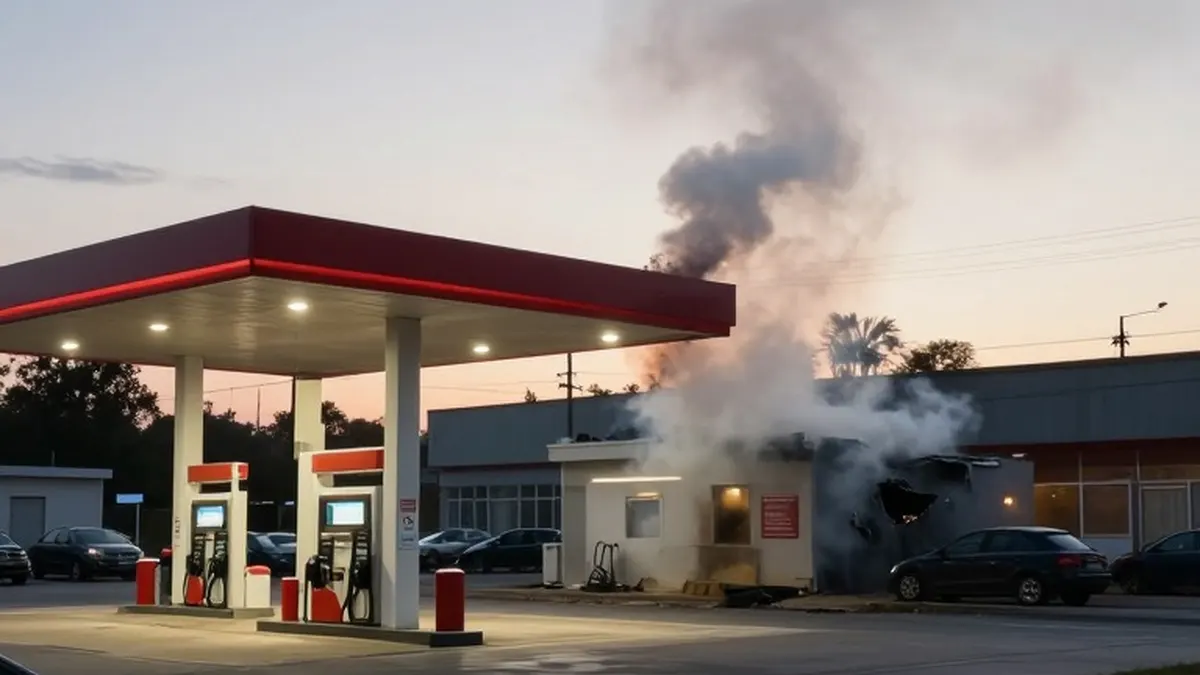
The Saudi-led coalition engaged in combat with the Houthis in Yemen announced that it successfully intercepted a drone and a missile launched by the Yemeni armed group. Concurrently, media outlets affiliated with the Houthis reported that at least six individuals sustained injuries during an aerial attack on an oil company's fuel station in the city of Sanaa.
According to the Yemen News Agency, Anis al-Asbahi, the spokesperson for the Ministry of Health and Environment, stated on Sunday that Saudi aircraft targeted a fuel station operated by the state-run oil company located on 60th Street. He noted that the strike resulted in injuries to six employees and caused material damage to the facility.
The Saudi-led coalition, which fights against the Houthis, an armed group also identified as Ansar Allah, did not offer immediate comment regarding the specific claim of the attack on the fuel station. The group's name translates from Arabic to Supporters of God.
In a separate development, Turki al-Maliki, the spokesman for the Saudi-led coalition, announced that the country's air defense systems destroyed a drone that had been launched by the Houthis in the direction of Riyadh, the Saudi capital. Al-Maliki shared this update on the social media platform X without providing additional details or reporting any casualties or damage associated with the drone incident.
This statement followed an earlier announcement made by al-Maliki just hours prior, in which he revealed that a ballistic missile targeting the country's western region, situated along the Red Sea coast, had been intercepted and destroyed.
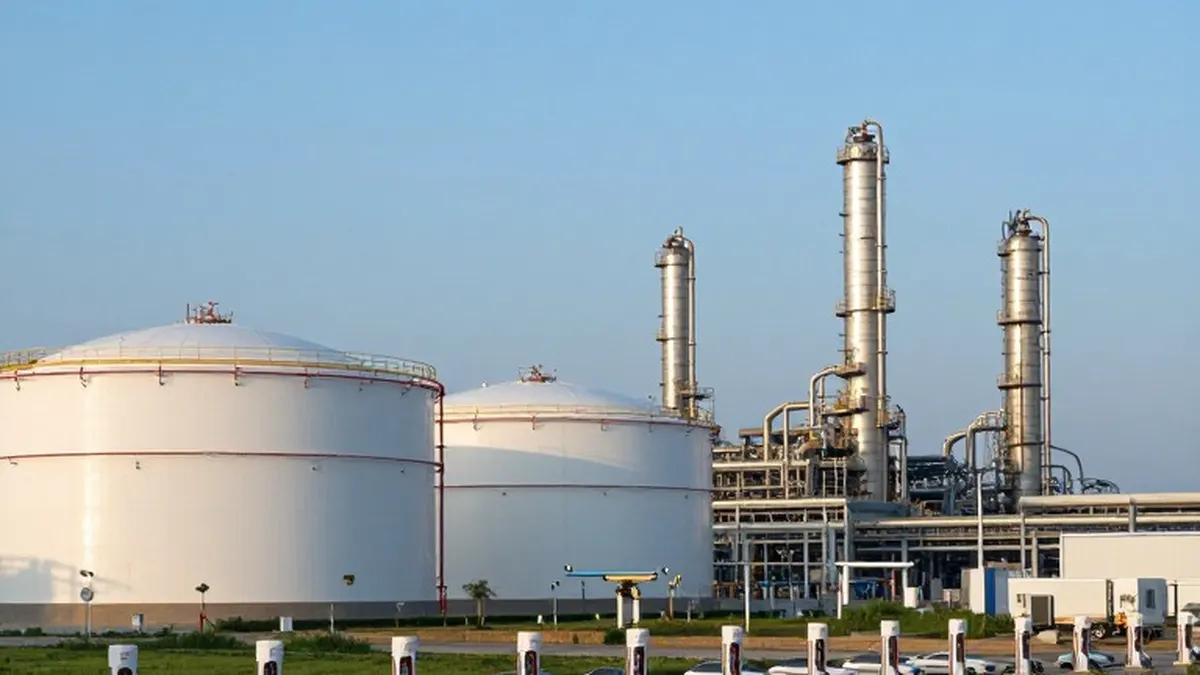
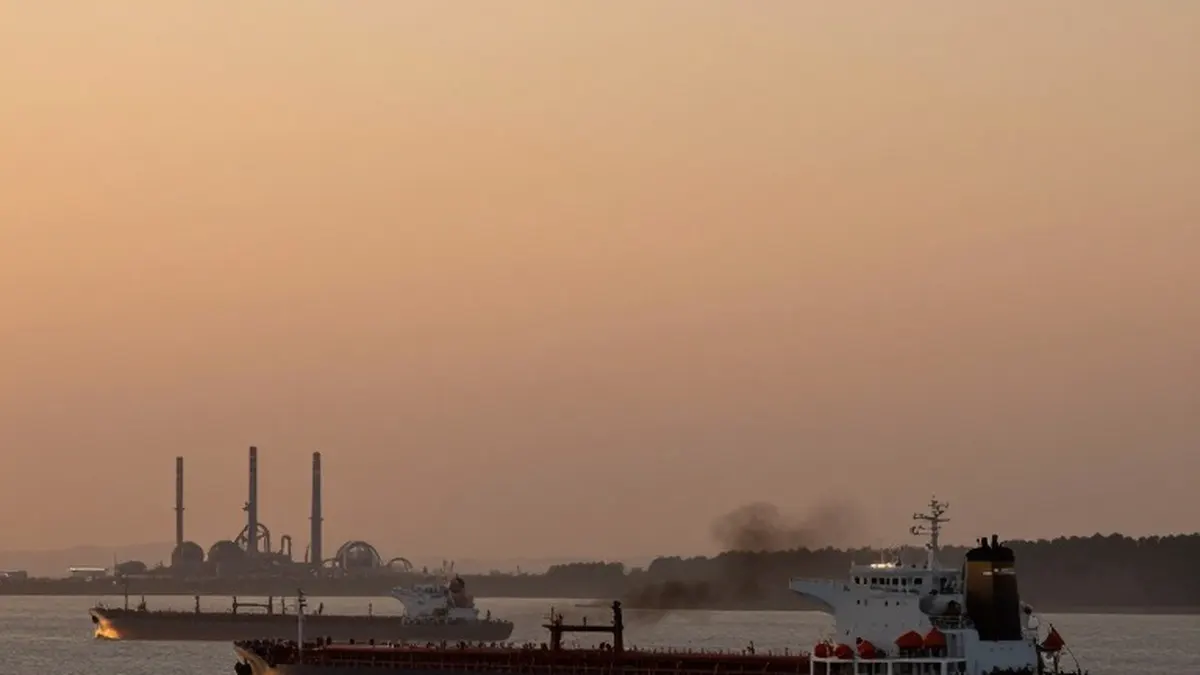
The western region of Saudi Arabia houses critical energy infrastructure, including the Yanbu oil terminal used for crude exports and the Jazan refinery in the far southwest, which shares a border with Yemen. In recent weeks, the Houthis have conducted attacks on oil installations, airports, and military sites within Saudi Arabia.
On the ground in Yemen, clashes persist between the internationally recognized government forces and the Houthis across multiple fronts. There are growing warnings regarding worsening displacement and food shortages among the population.
The Houthis have maintained control over much of northern and western Yemen since they seized Sanaa in September 2014, while the internationally recognized government has controlled the south. Although a United Nations-brokered ceasefire largely halted fighting in 2022, the conflict intensified again this summer when the Houthis announced a blockade on Saudi ports.
Following a rapid offensive in September that saw the group seize much of Yemen's Red Sea coastline near the Bab al-Mandeb strait, government forces launched a counteroffensive last month to recapture territory. However, forces allied with the government stated earlier this month that they would withdraw from areas around the strait to focus on defending Aden.
Analysts indicate that the conflict is now intertwined with wider regional confrontations, including the US-Israel war on Iran, rather than being driven solely by internal Yemeni dynamics. Since September, Houthi attacks have killed 26 people in Saudi Arabia, with 23 of those deaths occurring in strikes on airports. Additionally, a tower housing the headquarters of Saudi Arabia's Public Investment Fund in Riyadh's financial district sustained damage on Thursday, and a skyscraper belonging to the state oil giant Aramco was damaged in a strike at the beginning of the month.