Antalya, Turkey. Two new scientific reports released during the United Nations COP31 climate conference on Thursday presented a sobering contrast to the optimistic tone of recent green technology presentations. The findings indicate that the world is significantly behind schedule in its efforts to limit global temperature increases.
According to Climate Action Tracker, a nonprofit organization dedicated to analyzing climate policies, the planet remains on a trajectory to warm by nearly five degrees Fahrenheit by the year 2100. This projected rise carries severe consequences, including the potential devastation of coral reefs, major disruptions to global agriculture and forests, and the melting of most of the world's ice.
In a separate bulletin, the European Union’s Copernicus climate change service highlighted that the rate of global warming has accelerated significantly since the adoption of the Paris climate agreement in 2015. The agency noted that the timeline for reaching critical warming benchmarks has shifted dramatically in recent years.
When the Paris agreement was originally signed, projections suggested that the average global temperature would surpass the pact’s long-term threshold of 2.7 degrees Fahrenheit above preindustrial levels around the year 2045. However, following another decade of international climate summits, Copernicus now projects that this benchmark could be crossed as early as 2029.
EU scientists emphasized that this shift in projection suggests a recent acceleration in global warming. They stated that while not every aspect of the rapid temperature increase is fully understood, the growing concentrations of greenhouse gases emitted by human activity in the atmosphere remain the primary driver of this trend.
Greta Thunberg, the Swedish activist who is attending the current Conference of the Parties talks for the first time since 2021, pointed out that the current level of warming has already triggered deadly floods, wildfires, and catastrophic glacier collapses. She described the climate crisis as a matter of life and death.
Thunberg criticized the actions of those in power, stating that they are completely detached from reality. She warned that as the conferences continue, priceless lives, ecosystems, and species are being lost forever.
Sarah Heck, a climate policy analyst at the international climate science and policy institute Climate Analytics, observed that governments have failed to meaningfully improve the outlook for end-of-century warming. Her assessment aligns with the broader scientific consensus emerging from the new data.
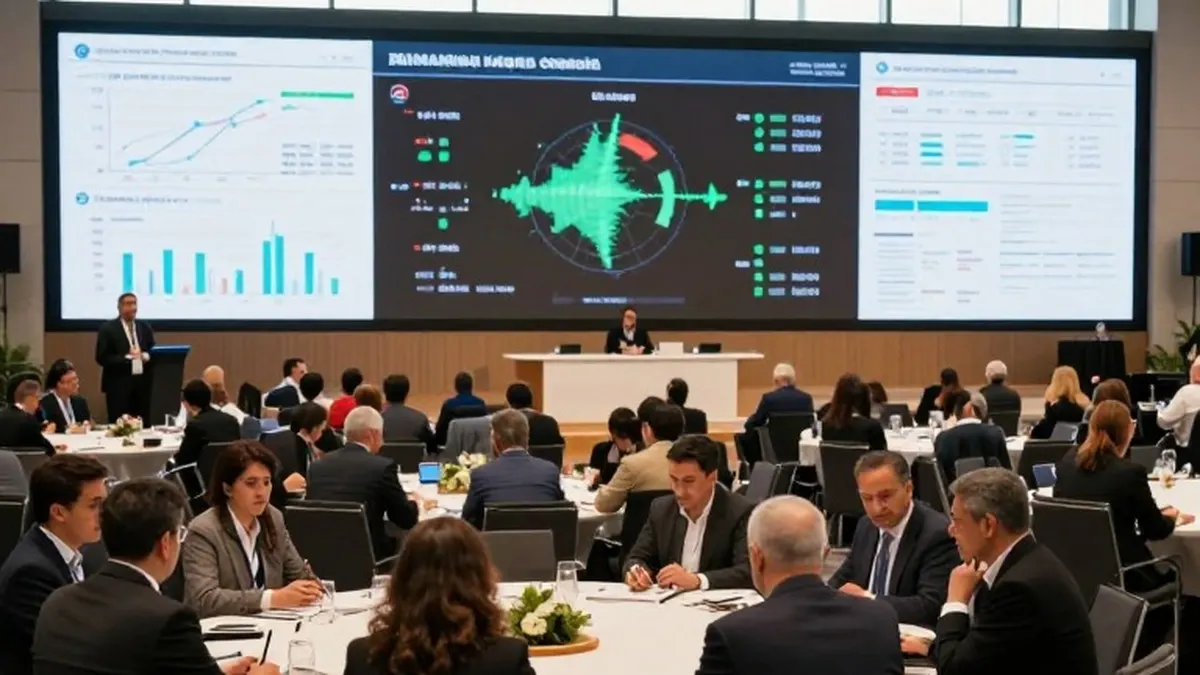
The reports arrive at a time when delegates are engaged in negotiations and social events at the conference. The stark scientific data serves as a reminder of the urgency required to contain global warming before irreversible changes occur.