A Sri Lankan woman has spent three years stranded in the Cook Islands after visa refusals prevented her from returning home through New Zealand or Australia. Ruchira Ranasingha, 50, told the BBC she is desperate to attend her only son's wedding in November and see her mother, whose health has deteriorated. Other available international routes also present visa requirements she cannot meet from the islands.
Ranasingha left Sri Lanka in 2018 after declining business forced her to shut her small T-shirt factory. Facing difficulties repaying loans, she went to Hong Kong to care for elderly people and children. In December 2022, she travelled to New Zealand on a two-month visitor visa and stayed with a cousin. As that visa neared expiry, she says an immigration interpreter helped her seek asylum over threats from lenders in Sri Lanka.
An open work visa for asylum seekers allowed her to work for almost any employer for a year. She found restaurant work, and the employer eventually agreed to sponsor an employment visa. That application was rejected because asylum seekers generally cannot apply for other visas while their claims are being processed in New Zealand. Ranasingha then approached Immigration & Secretarial Services, which she says advised her to apply again from abroad.
Emails reviewed by the BBC show the firm's manager, Sylviane Gallant, saying she would begin the process once Ranasingha had left New Zealand. Ranasingha booked a short visit to the Cook Islands, but the new employment visa application was refused. Her departure also breached the conditions of her asylum-linked visa. She says Gallant later accepted responsibility and said she could do no more. Gallant did not respond to the BBC's request for comment.
Ranasingha subsequently bought an Air New Zealand ticket to Sri Lanka but was prevented from boarding because she lacked a New Zealand transit visa. Three applications for that visa were rejected, along with four applications to transit through Australia. Routes through Hawaii and Tahiti offered no practical alternative: she was told visa processing required biometric information that she could only provide in person in New Zealand. A further New Zealand application explaining those obstacles and her family circumstances was also refused.
Immigration New Zealand told the BBC it had rejected her applications because it was not satisfied she genuinely intended only to transit. Ranasingha has offered to travel restrained and escorted, but a representative of the immigration minister's office said such arrangements would not stop someone making an asylum claim. Australia's interior ministry declined to discuss her case, saying foreign travellers must meet the country's migration requirements.
Auckland immigration law specialist Alastair McClymont described the advice Ranasingha received as "terrible advice". He suggested her earlier asylum claim had left New Zealand authorities unconvinced that she would return to Sri Lanka. He said Australia's coordination with New Zealand could also affect its position, while France and the United States were likely to have similar concerns. Ranasingha says she paid the advisory firm thousands of New Zealand dollars.
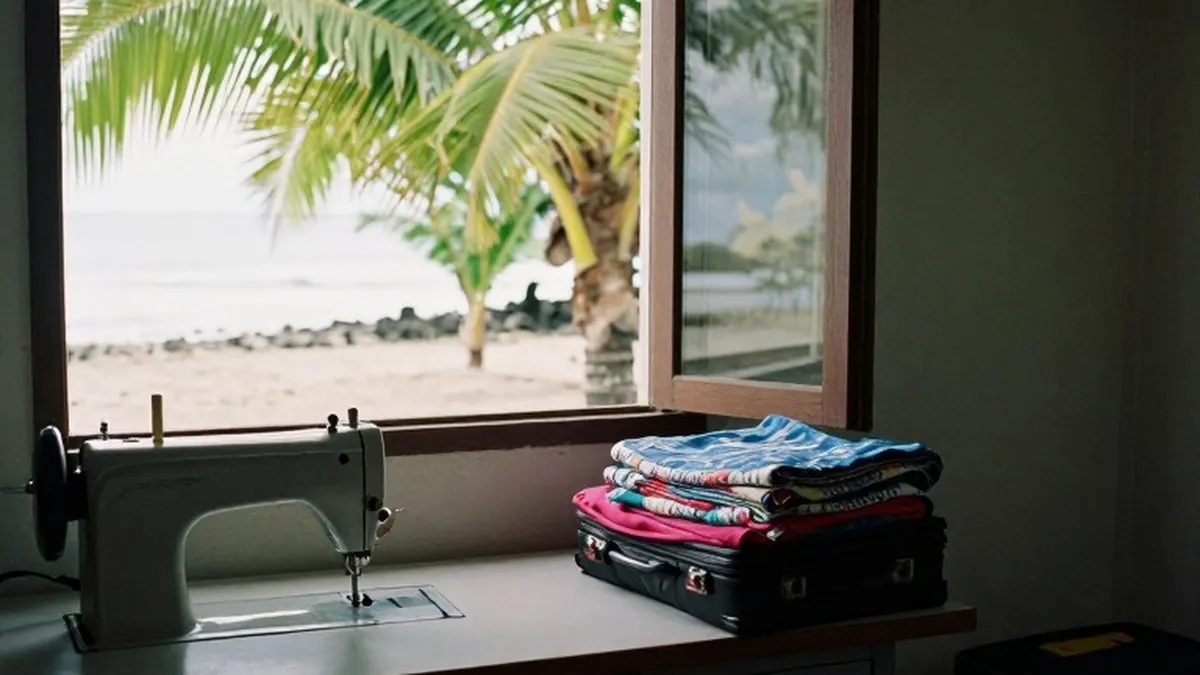
In the Cook Islands, her hotel has provided free staff accommodation, while local residents have helped with food and clothing. A hotel director gave her a sewing machine, allowing her to earn a small income. Despite that support, she says the uncertainty is affecting her health. "I will do anything they ask of me, I just want to go home," she told the BBC.
Her family has sought assistance from Sri Lankan authorities. Sri Lanka's foreign ministry told the BBC it was taking steps to arrange her return, with its High Commission in Wellington working alongside New Zealand authorities. Her brother said the family's efforts had yet to resolve the situation and expressed concern about her mental health.