Aviad Friedman, the Israeli official overseeing the reconstruction of communities near the Gaza and Lebanon borders, has proposed a plan to assist 100,000 Jews from abroad in settling in the country's northern and southern regions. Friedman, who serves as the head of the Tkuma Directorate and the Tnufa Directorate, views this initiative as a critical step toward restoring these areas. He specifically highlighted alumni of the Birthright Israel program, which he helped establish, as a primary target for recruitment. Unlike previous invitations, he now encourages these individuals to bring their families and make a permanent home in Israel.
In an interview conducted in Washington, D.C., during the Jewish Federations of North America General Assembly, Friedman discussed the logistics of such a massive relocation effort. He identified Europe and North America as key sources for potential new residents. To understand the local needs, Friedman has been spending part of each week in Sderot, a city located just a few kilometers from Gaza. He took over the Tkuma Directorate in March 2025, which is responsible for rebuilding Gaza border communities, and later assumed control of the Tnufa Directorate, which manages recovery in the North following attacks by Hezbollah.
The proposed rollout would begin with a pilot group of 200 people. Friedman envisions families, such as a couple with two children, moving to towns like Ma'alot in the Galilee or Katzrin in the Golan Heights. To support this transition, he is requesting that the state cover housing costs for eligible new immigrants who settle in these specific regions. The government already provides one-way airfare for eligible immigrants, but Friedman believes additional financial support for housing is necessary to encourage settlement. He did not specify a per-family amount or a strict timeline for the expansion of this program.
The scale of Friedman's proposal is significant when compared to recent immigration trends. The Central Bureau of Statistics recorded 20,900 new immigrant arrivals in Israel in 2025. The Tkuma Directorate already has a goal to double the population of the Gaza border region to 120,000 by 2033. Friedman's broader aim is to recruit an additional 100,000 immigrants for both the North and the South. He drew on his experience working on immigration from Russia and Ethiopia in the 1990s, noting that the children of Soviet immigrants are now well integrated into Israel's high-tech sector, suggesting a strong generational incentive for new families to join.
Friedman also addressed the role of the Jewish Federations of North America, which raised 908 million dollars for emergency aid to Israel following the October 7, 2023, attacks. He acknowledged that the federations were able to deploy funds quickly while the government was still organizing its response. To maintain transparency, he stated that Tkuma publishes its spending in the South every April and intends to do the same for the North. This move is designed to ensure that donors understand how their contributions are being utilized in the recovery process.
Despite the progress, Friedman acknowledged that the state delayed its full support for northern residents for the first two and a half years after the attacks. He admitted that this wait cost the government some of the public trust needed to bring people back, though he noted that funding is now available. To attract younger residents, he pointed to the opening of Tel-Hai College as a university in October. He hopes to see enrollment at the institution grow from approximately 5,000 to 15,000 students, which would bolster the local community.
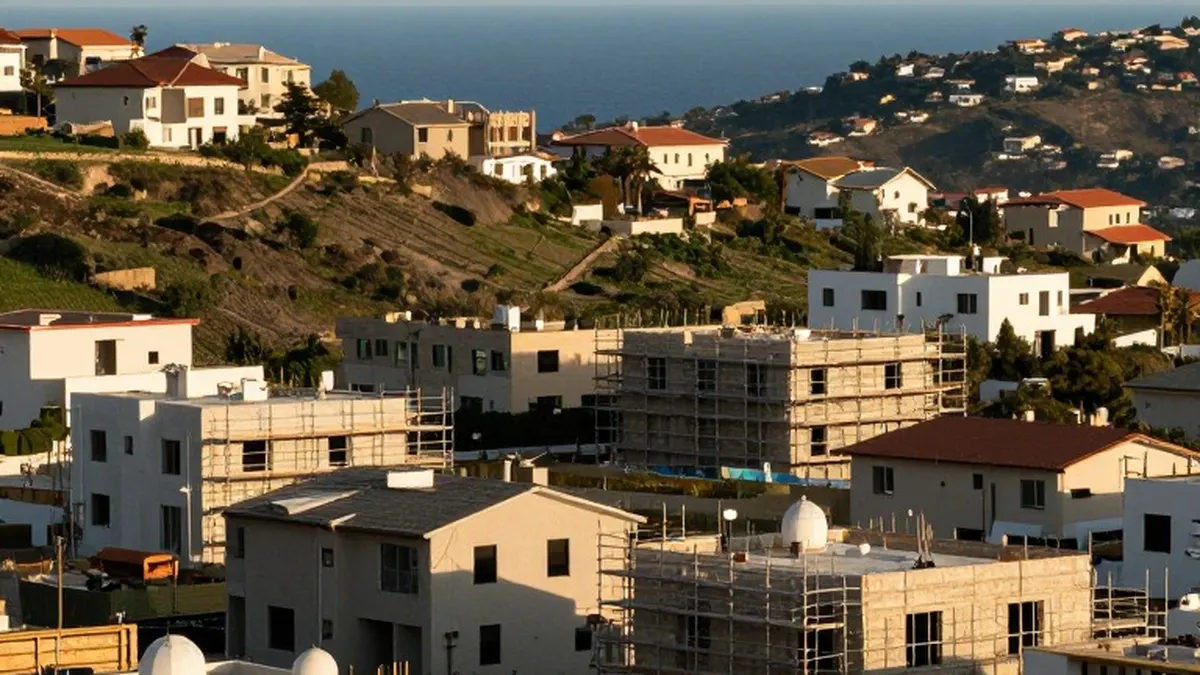
The physical recovery of the border regions has been substantial. According to Friedman, residents have returned to 45 of the 47 communities near Gaza. The two communities that have not yet fully returned are Be'eri and Nir Oz. In a significant milestone, members of the Nir Oz kibbutz laid the cornerstone for a new neighborhood on October 22. This project, which has been in the planning stages for about a decade, will include 42 homes intended for young couples and families.
Friedman, who drives roughly 8,000 kilometers a month for his dual roles, has faced personal challenges in balancing his work with his family life. His father had advised him against taking on both positions, but Friedman persisted. He often speaks at American synagogues, where he tells congregants that the State of Israel serves as their insurance. He shared an anecdote about a Shabbat service where congregants asked him where he would recommend buying a home in Israel, a question he noted was often motivated by concerns for their children's future.
The initiative aims to not only rebuild infrastructure but also to create a vibrant social environment. By encouraging immigration to these specific areas, the government hopes to reverse the depopulation that occurred during the conflict. Friedman remains optimistic that with the right incentives and community support, the North and South can become attractive destinations for new Jewish families. The plan represents a long-term strategy to ensure the resilience and growth of Israel's border communities.