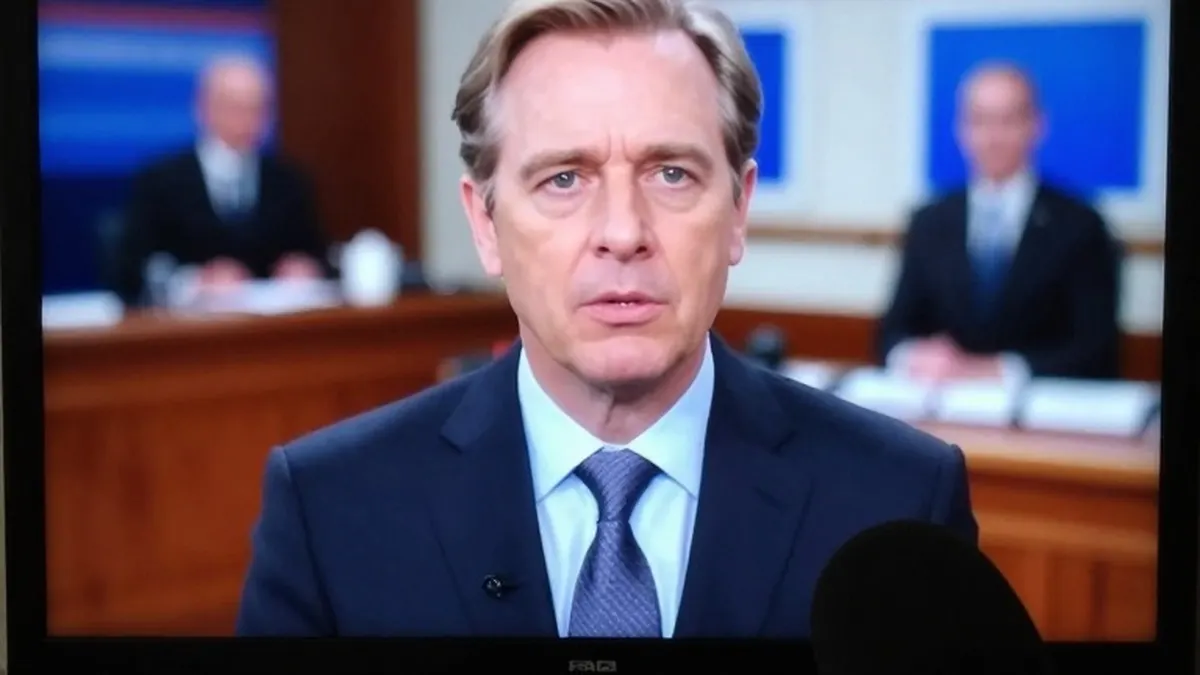
President Donald Trump stated in a recent interview with 60 Minutes that his administration’s strict approach to immigration enforcement might have been too severe. The president admitted that the policy of pursuing individuals who had been in the United States for a decade or longer may have been overly tough. This assessment comes three days after Republicans suffered significant losses in the midterm elections.
The presidential remarks were made to 60 Minutes correspondent Ross Douthat. The timing of the interview highlights a shift in political momentum, particularly in South Texas and other regions with large Latino populations. These areas had trended toward the Republican Party during the previous election cycle, but support for the party dropped sharply in the recent vote. Many voters attributed this reversal to the administration's intensified immigration crackdown.
Trump described the impact of his immigration policy on the recent polls as a mixed result. He credited his administration with achieving an A+ grade for securing the border and receiving high marks for removing those considered to be the worst offenders. However, he noted that the strategy also hurt the party’s standing because it led to the removal of individuals who held good jobs and had only committed a single violation by entering the country illegally.
The president explained that public opinion is divided on the matter. A significant portion of the country believes that illegal immigrants should be removed, while another large segment believes they should be allowed to stay if they are good people working in fields such as landscaping or hospitality and paying taxes. Based on this division, Trump concluded that the enforcement measures were likely too tough, noting that while many people think the approach is great, a substantial number believe it has gone too far.
Looking ahead, the president expressed a desire to work with congressional Democrats on immigration issues. Democrats will control both the House and the Senate starting next year. Despite this openness to cooperation, it remains unclear whether the administration intends to fundamentally alter its current enforcement strategy. On Friday, Trump replaced White House chief of staff Susie Wiles with Stephen Miller. Miller is known as a hardliner who is supportive of the administration’s existing immigration policies.
The 2024 electoral victory for Trump was partly driven by voter dissatisfaction with former President Joe Biden’s immigration policies, specifically the surge in unauthorized crossings at the U.S.-Mexico border. Since Trump returned to the White House, illegal border crossings have declined. Federal officials have increased arrests and deportations within the interior of the country, with detained individuals charting record highs. Miller previously aimed for a target of 3,000 arrests per day last year.
A large share of those arrested had offenses beyond simple immigration violations. The administration has maintained that its priority is to arrest the worst offenders first, while warning that anyone in the U.S. illegally is subject to arrest and deportation. Various tactics used by the administration have drawn scrutiny, including practices related to processing and relocation to places other than the detainees' home country.
Some Republican members of Congress have pushed back against the current approach. A representative from South Florida noted that many Hispanic voters who supported Trump in 2024 now feel betrayed. Polling data indicates that 58% of respondents believe the administration’s actions on immigration have gone too far. However, when asked which party is better equipped to handle immigration, voters trust Republicans slightly more than Democrats, with support levels at 43% and 41% respectively.
The administration has defended its methodology by stating that it is primarily targeting public safety threats. The recent comments from the president suggest a potential recalibration of the narrative, even as the administration continues to implement its enforcement plans under new leadership.