Ukrainian Foreign Minister Andrii Sybiha has responded to Russian President Vladimir Putin's recent comments on the war, stating that Moscow could cease its complaints about attacks on oil refineries by ending the conflict. The diplomatic exchange highlights the growing tension over Ukraine's intensified strikes on Russian energy infrastructure, which Kyiv views as a necessary countermeasure against Russian aggression.
Putin addressed a gathering of government officials and senior oil executives at the Kremlin on Tuesday, noting that Ukraine continues to target refining facilities. This persistence occurred despite a previous appeal by U.S. President Donald Trump for Kyiv to hold back. According to the Russian state news agency Tass, the Russian leader emphasized that retaliatory action from Russia is inevitable and that all parties must be aware of this consequence.
The backdrop for these statements includes a September request from President Trump to Ukrainian leader Volodymyr Zelenskyy to stop targeting Russian oil refineries. Trump argued that the attacks were hurting the global economy, particularly as fuel supply disruptions from the wars in Ukraine and Iran had driven U.S. diesel prices to record highs. At that time, the Kremlin had expressed support for Trump's push to halt the strikes on Russia's diesel-producing facilities.
In a social media post on Tuesday, Sybiha directly addressed the Russian president. He argued that if Putin disliked the strikes on his oil refineries, the simplest solution was to order an end to the war. The Ukrainian diplomat further suggested that if Putin wanted to protect his military vessels, he could also end the war, referencing the significant losses Russia has suffered.
Sybiha cited a figure of 432,000 Russian soldiers lost on the battlefield this year, claiming they were not coming closer to the goals of their invasion. He stated that Putin clearly did not care about these losses and urged him to stop complaining and end the war. It is worth noting that CNBC was unable to independently verify these specific casualty figures.
Separate data from the Center for Strategic and International Studies estimated in July that approximately 1.4 million Russian troops were killed, wounded, or went missing between the start of the full-scale invasion in February 2022 and June 2026. The organization reported that more than 30,000 casualties occurred each month during the first half of this year, indicating a sustained high level of attrition.
Ukrainian forces have escalated their attacks on critical Russian targets in recent weeks. Notable operations include damaging the Crimean bridge, a strategic asset for Putin, and striking a Russian cargo ship in the Baltic Sea. Additionally, Ukrainian forces destroyed one of Russia's newest ships at a port in Libya, demonstrating the expanding range of their offensive capabilities.
President Zelenskyy stated earlier this month that Ukraine's long-range strikes had disabled more than 55 percent of Russia's oil-refining capacity. He described this achievement as a justified response to Russia's refusal to de-escalate the conflict and its continued strikes on Ukrainian energy infrastructure. This significant reduction in refining capacity underscores the impact of Ukraine's strategy on the Russian economy.
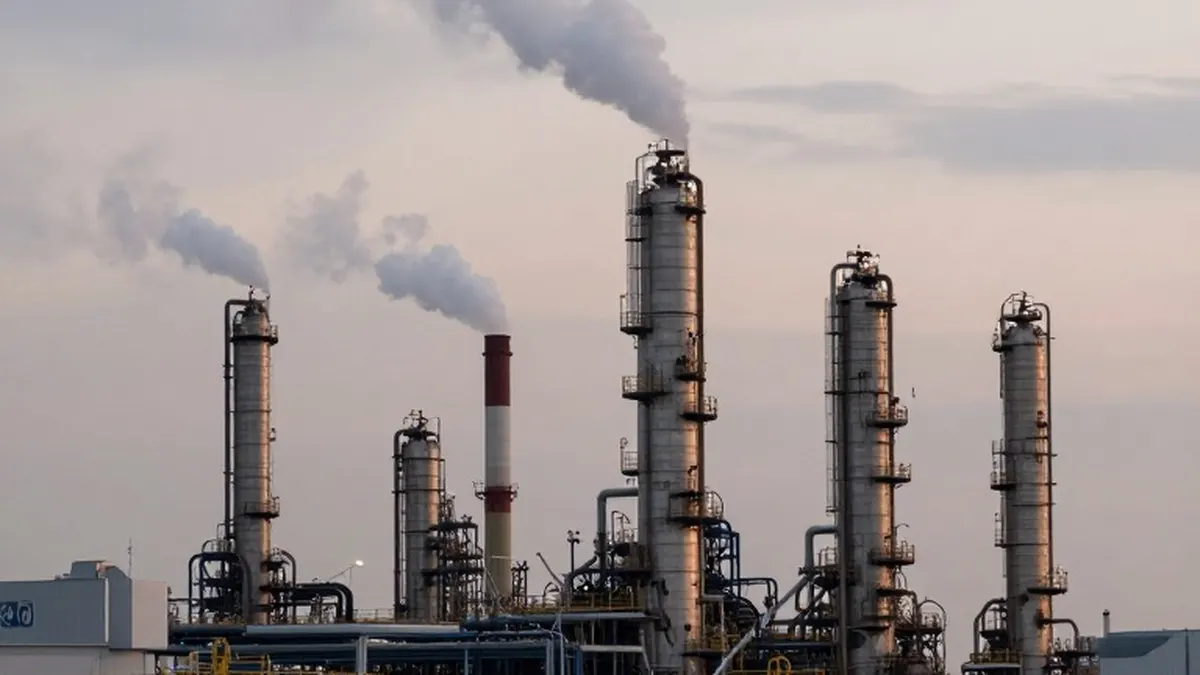
Recent drone strikes have further intensified the pressure on Russian fuel production. Ukrainian drones reportedly hit two major oil refineries in the Samara region overnight, triggering fires at both facilities. Satellite images published in late October also captured black smoke rising from multiple fires at Rosneft's Novokuibyshevsk oil refinery in southern Russia following a suspected Ukrainian drone attack.
During his Tuesday address, Putin described Russia's fuel market situation as challenging. He urged government officials and oil executives to continue reacting promptly to the supply and demand relationship for fuel across the entire Russian territory, according to Interfax. Meanwhile, Ukraine's allies have warned that the country faces another winter of blackouts and freezing temperatures as Russian energy strikes continue to escalate.