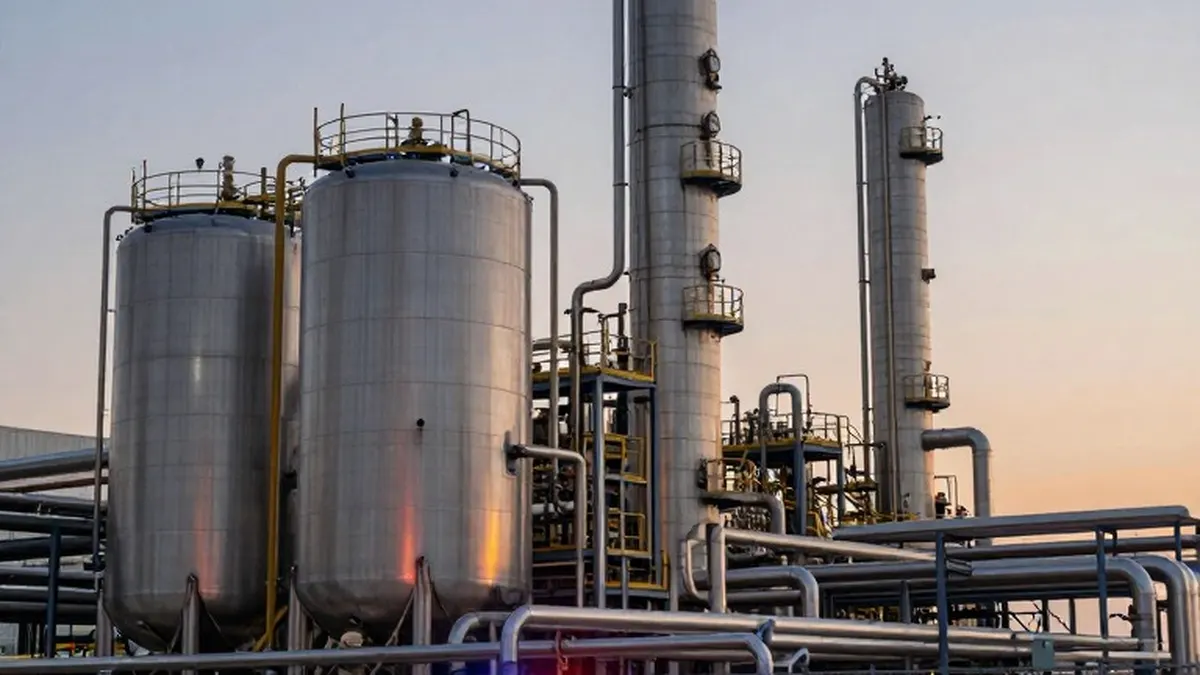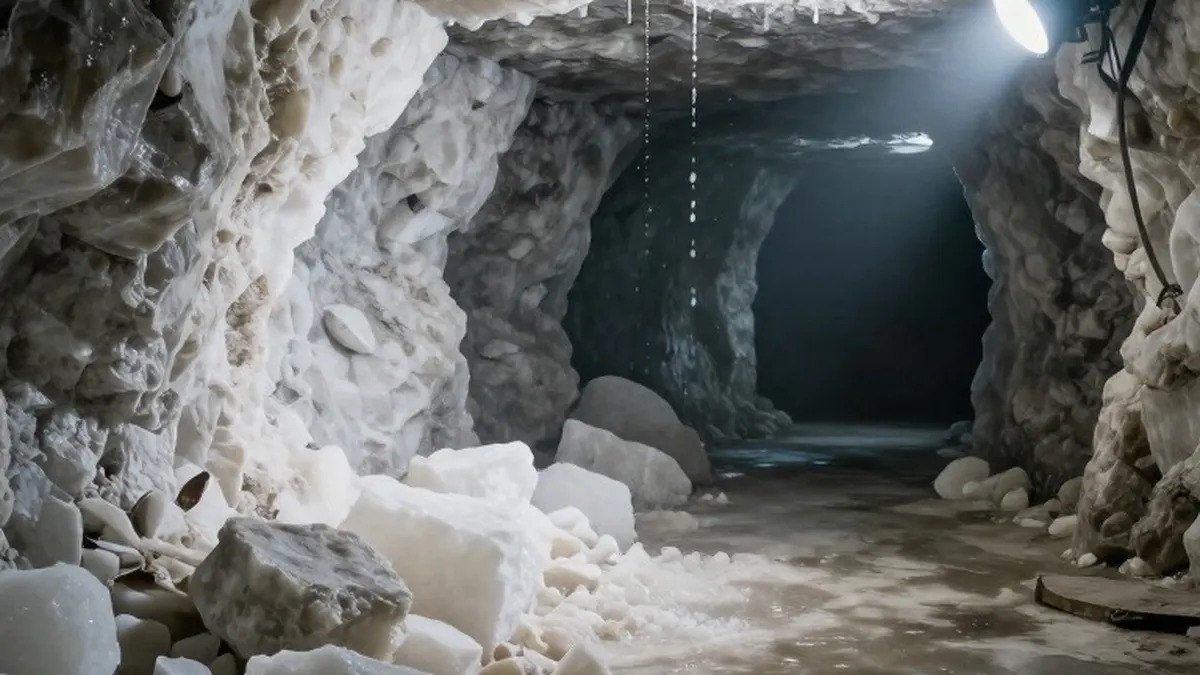
Morton Salt has permanently closed its Fairport Harbor mine in Ohio after water began gushing through a crack in the ceiling last month. The decision eliminates 77 local jobs and disrupts a critical supply chain for winter road maintenance in the Great Lakes region.
The mine, located approximately 610 meters beneath Lake Erie, extracted around 1.3 million tons of rock salt annually. Its closure comes after last winter’s unusually cold and snowy weather depleted road salt stockpiles across hundreds of municipalities. For Trumbull County, a region of 200,000 residents situated 48 kilometers from the site, the loss is particularly acute as the county relied entirely on this facility for its salt needs.
David DeChristofaro, the Trumbull County engineer, noted that the county typically receives 30,000 tons of salt from the mine but currently holds a stockpile of only 14,000 tons. With the area receiving about 1.4 meters of snowfall annually and facing lake-effect storms for up to five months, officials are waiting for the Ohio Department of Transportation to secure additional supplies. If necessary, the county plans to mix salt with aggregate to stretch its remaining inventory, a practice that increases costs due to the need for spring cleanup.
In neighboring counties, authorities have already issued warnings to motorists about potentially hazardous driving conditions. The shortage could impact transportation for more than a million residents in a region known for harsh winter conditions. However, the immediate supply concerns have also triggered broader safety discussions among mining experts and environmental activists.
Weeks after the closure, Morton Salt officials reported that they still have not identified the source of the water intrusion. The mine is one of five salt mines situated partly or entirely under Great Lakes waterways, including facilities in Detroit, Cleveland, and Ontario. Experts warn that decades of blasting and the presence of underground aquifers could create pathways for water to reach the mines.
Xiong Yu, a professor of engineering at Case Western Reserve University, explained that while over 305 meters of rock separates the lake bed from the mine, the engineering challenge lies in whether those layers form a continuous barrier. He noted that blasting can fracture rock and change stress patterns, potentially allowing water from nearby aquifers to enter through faults or compromised seals.
Local voices are calling for an investigation into the safety of mines carved under large bodies of water and their potential impact on drinking water resources. An editorial in the Cleveland Plain Dealer questioned whether a breached rock roof could create saline swamps in Lake Erie, which serves as a drinking water source for millions in the US and Canada.
The incident recalls the 2017 water intrusion at the larger Cargill-run Whiskey Island mine, which also released dangerous levels of hydrogen sulfide gas. That facility, spanning 41 square kilometers beneath Lake Erie, produces up to 4 million tons of salt per year. Historical precedents include the 1994 collapse of a salt mine in western New York and the 1980 accidental draining of Lake Peigneur in Louisiana when an oil rig breached an underwater mine roof.
Regulatory oversight is also under scrutiny. The Mine Safety and Health Administration oversees US mines, but recent deregulation efforts have included measures such as eliminating diesel particle matter exposure levels. In 2022, a Morton Salt mine in Louisiana was placed on the Department of Labor’s pattern-of-violations notice, a status that was lifted in April 2025.
Neither Morton Salt nor Cargill responded to inquiries about inspection frequencies or new safety measures. Miners at the Fairport Harbor facility declined interviews due to non-disclosure agreements. Industry observers suggest that the swift closure should prompt a targeted, regulator-led review of water intrusion risks, shaft conditions, and roof stability at all operating salt mines beneath the Great Lakes.