Bristol is set to pursue a unique distinction as the first city in the United Kingdom to achieve wetland city accreditation. This ambitious goal is being driven by a partnership between the city and the Wildfowl & Wetlands Trust, a charity focused on creating extensive wildlife corridors. The primary objectives of this initiative are to lower the risk of urban flooding and to increase public access to green and blue natural spaces.
The five-year program involves the execution of more than 200 individual projects designed to restore and establish new wetland areas throughout the urban landscape. These interventions vary significantly in scale, ranging from small-scale residential rainwater ponds and street-level rain gardens to larger efforts aimed at restoring river habitats. A key component of the strategy involves reconnecting rivers with their natural floodplains and developing entirely new wetland ecosystems.
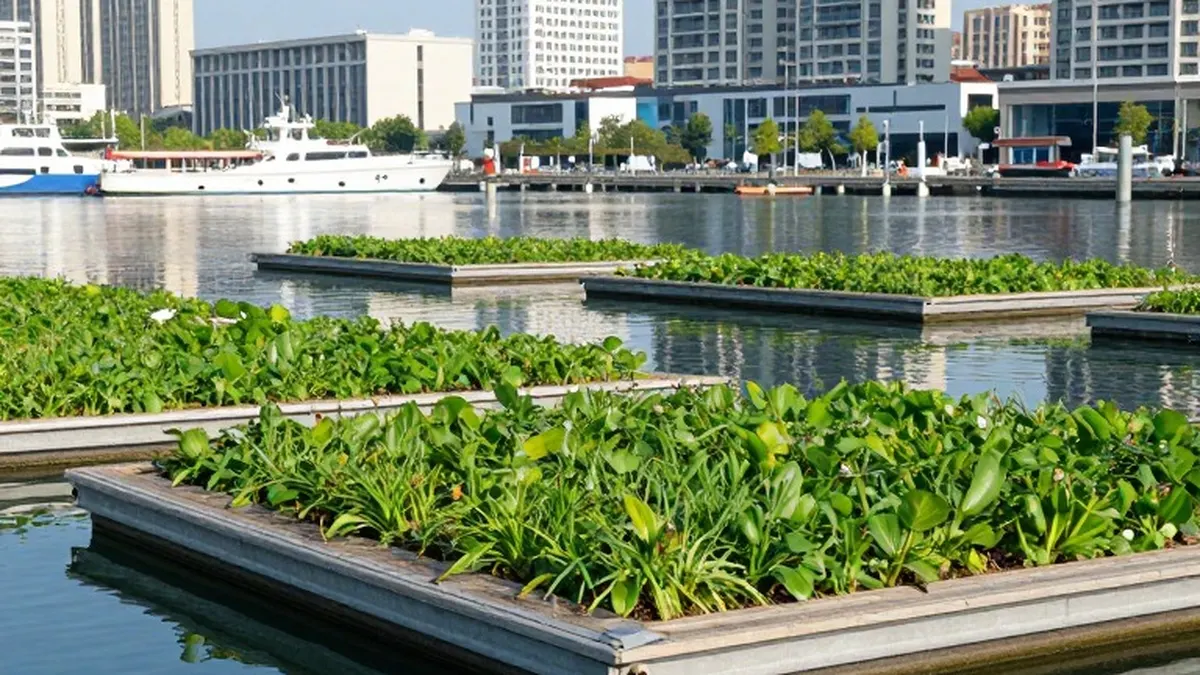
The charity intends to secure formal accreditation under the Ramsar convention, an international treaty dedicated to the conservation of wetlands. This designation recognizes municipalities that actively protect and utilize their urban wetlands wisely. In September of this year, the project was officially launched with the installation of floating wetlands at three locations within Bristol’s city-center harbour. These structures consist of buoyant modules covered in specific wetland vegetation, designed to attract a wider variety of wildlife, including insects and birds.
Peter Lee, the programmes lead at the Wildfowl & Wetlands Trust, noted an immediate positive impact from these early installations. He reported that dragonflies and other species began appearing within minutes of the setup, sparking curiosity among residents who questioned why the urban environment could not maintain this level of natural activity permanently. The rapid response of local fauna underscored the potential for such interventions to integrate nature into dense city centers.
Louise Kennedy, who is managing the Bristol project, highlighted the global significance of these habitats. She stated that approximately 40% of species worldwide depend on wetlands for survival. Kennedy described the current state of these ecosystems as being in freefall due to significant losses over recent decades. In an increasingly urbanized world, identifying and protecting pockets of wetland within cities is crucial for improving biodiversity and providing nature access to populations that may not have easy reach to rural wildlife reserves.
Beyond ecological benefits, the project addresses critical infrastructure challenges related to water management. Lee explained that wetlands are far more effective at absorbing and storing water than impermeable surfaces like concrete. This capacity allows the city to reuse rainwater and significantly reduce the likelihood of flooding during periods of heavy rainfall. The approach represents a fundamental shift in urban water strategy, moving away from the traditional method of rapidly expelling water through drains and combined sewers, which often overflow during storms.
Instead of channeling rainwater straight into the sewer system, the new strategy treats precipitation as a valuable resource. Lee pointed out that rain falling on roofs is one of the purest forms of water available. By managing this water where it lands, the city can utilize it effectively rather than treating it as waste to be removed as quickly as possible. This method helps to mitigate the pressure on existing drainage infrastructure.
Globally, there are currently 74 accredited wetland cities across 27 different countries, with 22 of those located in China. While many of these international bids have been led by state authorities or city mayors, the Bristol project is distinct in its funding model. The insurer Aviva is providing £8.9 million over the five-year duration of the initiative, serving as a major financial backer for the restoration efforts.
Lee expressed hope that Bristol will serve as a template for other towns and cities in the UK. The project aims to demonstrate the economic viability of wetland investment, potentially leading to commercial returns such as increased footfall in the city center and higher mooring fees. By proving that wetlands can generate economic value, the charity hopes to reduce future reliance on large philanthropic donations, using the current funding as seed capital for a broader program.
Bristol was selected for this pilot project due to its deep maritime heritage and extensive waterways. Lee noted that the city’s place names frequently reference water, and it possesses 100 miles of waterways within its boundaries, many of which are currently hidden or tucked away. Tony Dyer, the leader of Bristol city council, welcomed the program, stating that the city has always been shaped by its relationship with water. He emphasized that working with nature through this initiative will help tackle major challenges, including flood risk, climate resilience, and the health and wellbeing of residents.