The US Federal Aviation Administration has lifted a nationwide ground stop that halted all departing flights on Friday. The order, which was issued at 3:54 pm Eastern Time, cited extraordinary circumstances related to safety. The halt, which marked the third nationwide ground stop of its kind since the September 11, 2001 attacks, was lifted on Friday evening after more than four hours of disruption.
US Transportation Secretary Sean Duffy confirmed that airspace reopened at 8:15 pm ET. He warned that the return to normalcy would be gradual, urging passengers to check directly with their airlines. Duffy stated that resumption of flights would depend on the availability of pilots and flight attendants, with authorities aiming to move as many aircraft as possible during the night.
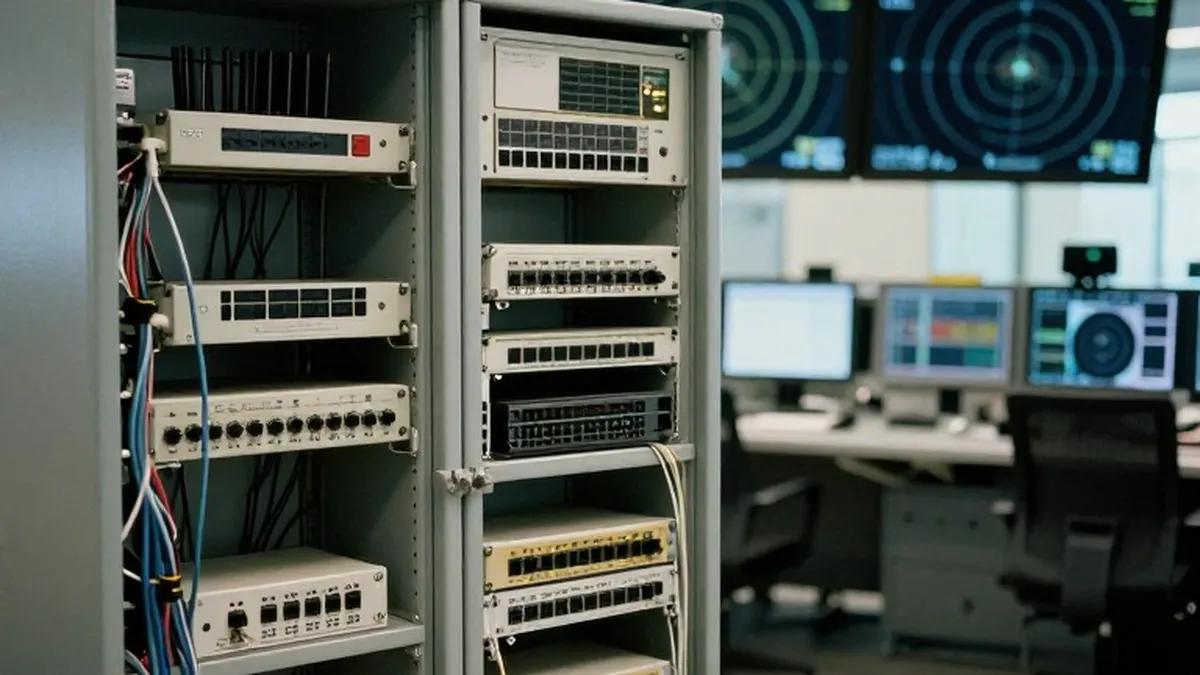
The disruption was caused by a telecommunications outage affecting air route traffic control centers. Duffy explained that switches and routers became overloaded with data and failed, though the incident did not involve a total loss of communications or radar capabilities. Homeland Security Secretary Markwayne Mullin assured the public that everyone was safe and that there was no link to a cyberattack.
Aviation analytics firm Cirium reported that approximately 11,000 flights carrying more than 1.5 million passengers were still scheduled to depart after 4 pm ET. By 7:05 pm ET, at least 827 flights had been diverted. Of these, 670 returned to their departure airports, while 157 were diverted to other locations. Aircraft already in the air were permitted to continue to their destinations, while international flights were managed on a case-by-case basis.
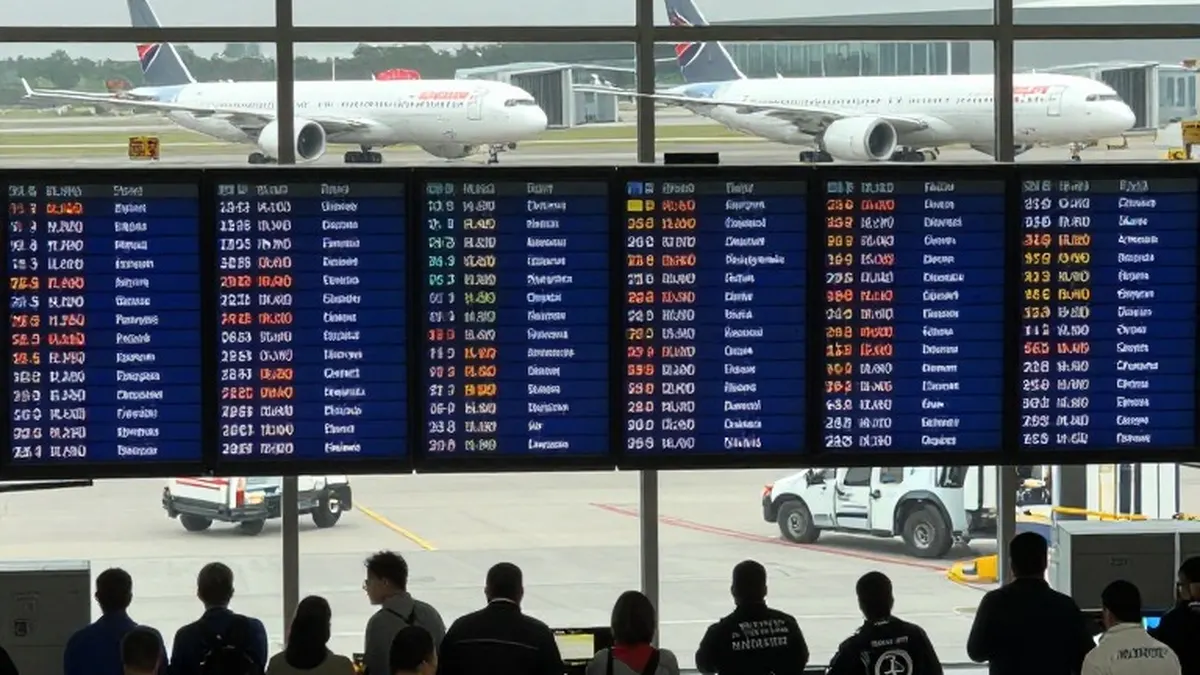
According to FlightRadar24, more than 4,700 flights were cancelled and 10,000 delayed on Friday. An additional 700 flights had already been cancelled for Saturday. Aviation analysts note that it may take several days for airlines to fully restore their schedules, as many operate interconnected networks that require complex rescheduling at major hubs.
Todd Curtis, an aviation safety expert and chief executive of AirSafe.com, noted that the failures appeared concentrated in the 21 air route traffic control centers across the United States. These centers handle transiting aircraft and rely on multiple handoffs between controllers. Curtis warned that even after technical resolution, it would take more than a day to return to normal operations due to the need to reschedule aircraft and manage passenger connections.
Ron Bartsch, a professor of international aviation law at the University of the South Pacific, raised questions about why backup systems did not activate immediately. He emphasized that the aviation community relies heavily on redundancy, and the apparent failure of these systems has prompted further inquiry. Duffy acknowledged the strain on the system and called for $50 billion in upgrades to the nation's air traffic control infrastructure.
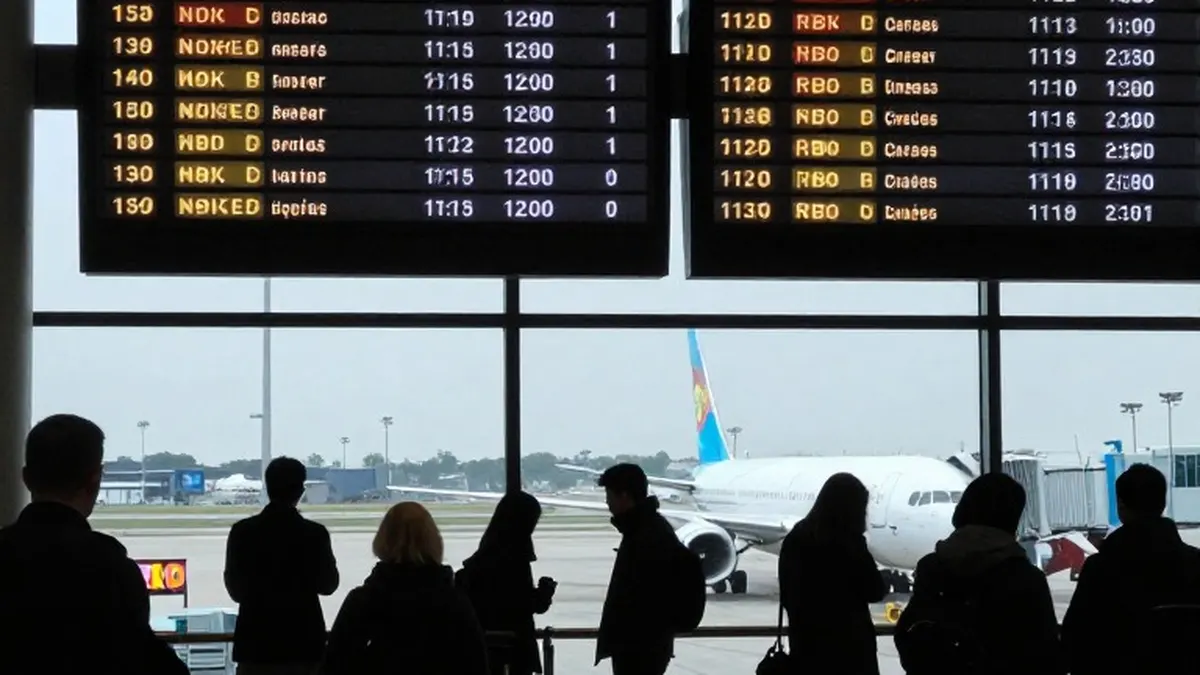
Passengers at major airports reported significant delays and a lack of clear information. Nicholas Erdodi, who was traveling from New Zealand to Chicago via Los Angeles, described spending over six hours at the airport after a long international flight. He expressed frustration over the uncertainty regarding rebooking and hotel costs, noting that while he understood the technical issues, he sought clearer communication from authorities.
Duffy expects operations to be fully back up and operational as the country enters the peak of Thanksgiving travel. This period, which begins in less than two weeks, is typically one of the busiest times of the year for US air travel. Curtis advised that airlines will face challenges in getting passengers to their destinations, and travelers should remain prepared for continued delays and cancellations.