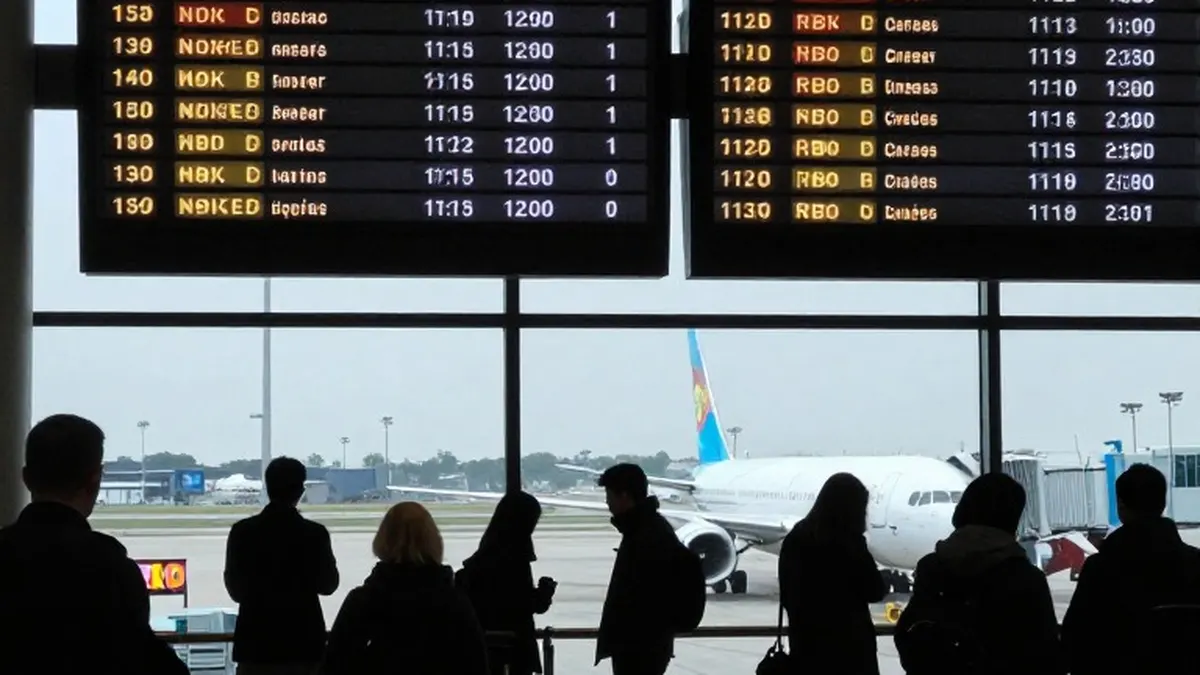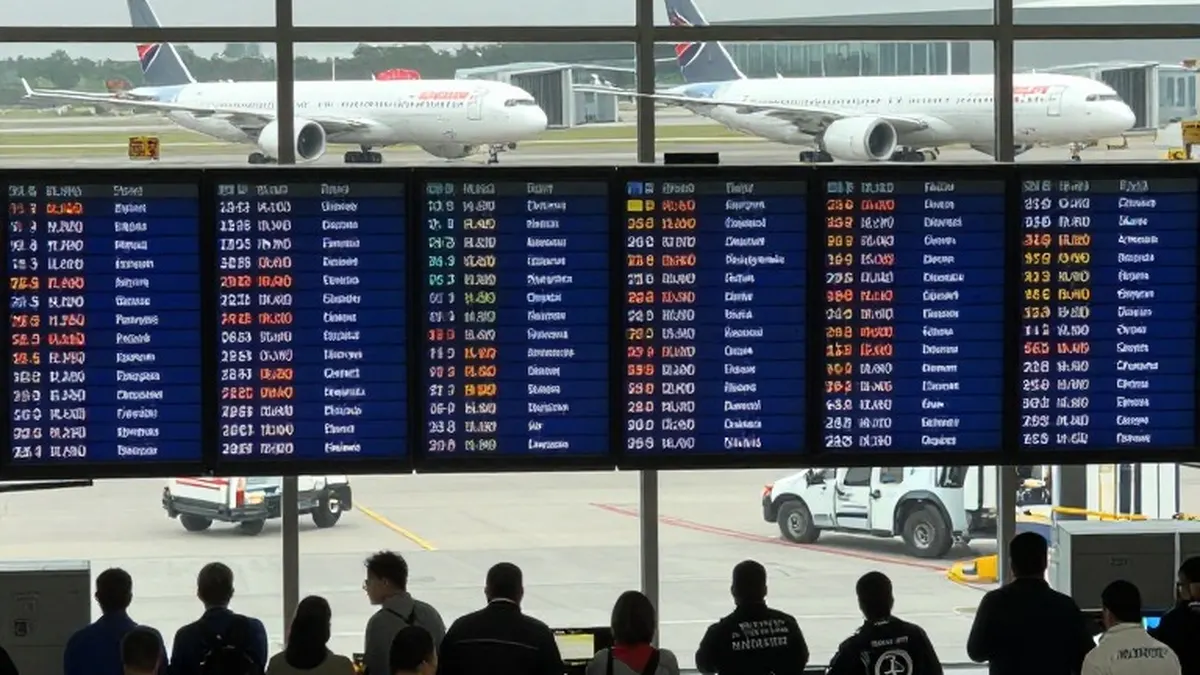
A nationwide ground stop imposed in the United States on Friday followed a data overload in aging air traffic control equipment, Transportation Secretary Sean Duffy said. The problem disrupted radar information and communications with aircraft, prompting controllers to work to bring flights already in the air safely to their destinations.
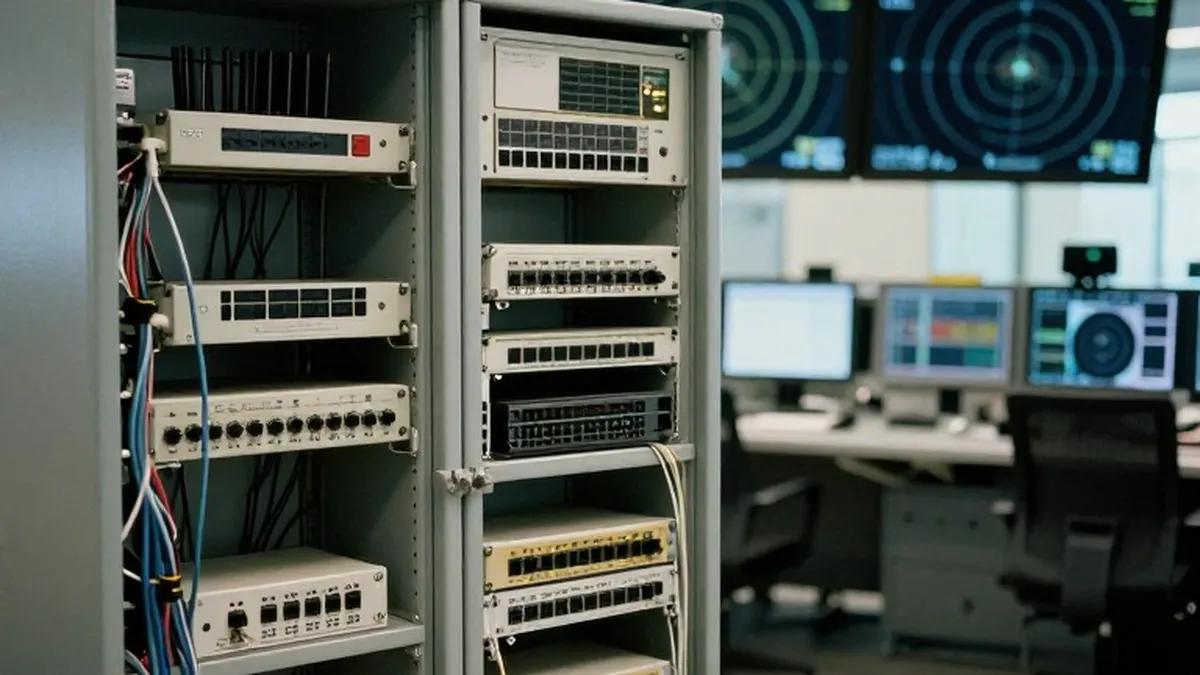
Duffy attributed the disruption to an outdated system that relies on analog telecommunications equipment. He said switches and routers had become overloaded with data and started generating inconsistent information. His explanation placed the equipment's age and performance at the center of the incident, which affected the information used to control air traffic.
More than 3,500 aircraft were airborne when the ground stop took effect earlier Friday. By Duffy's latest update, that number had fallen to fewer than 400. He said controllers were continuing their efforts to guide the remaining flights safely to their destinations as officials examined what had happened.
Homeland Security Secretary Markwayne Mullin said investigators had uncovered no evidence that a cyberattack was responsible. He emphasized that teams were still investigating the incident. According to Mullin, they had not detected chatter, traces of an intrusion or indications identifying anyone who had entered the system.
The inquiry involves several federal agencies, Mullin said, including the Department of War, the Cybersecurity and Infrastructure Security Agency, the National Security Agency and components of the Department of Homeland Security. He also noted that cyberattacks are often followed by claims of responsibility, and said no such claims had surfaced in connection with this disruption.
Duffy linked the equipment problems to what he described as years of inadequate modernization. He said previous administrations had spent approximately $15 billion over a 25-year period trying to update the air traffic control system, but those efforts had produced little progress.
He called on Congress to provide more money for upgrades, beyond the $12.5 billion already allocated through Trump's signature spending legislation. Duffy urged lawmakers to support a broader overhaul of the system rather than continue with a succession of limited repairs.
Presenting the funding request as a national concern that crossed party lines, Duffy said air traffic control was critical to every family. He appealed directly to lawmakers: "Give us the money to fix it."