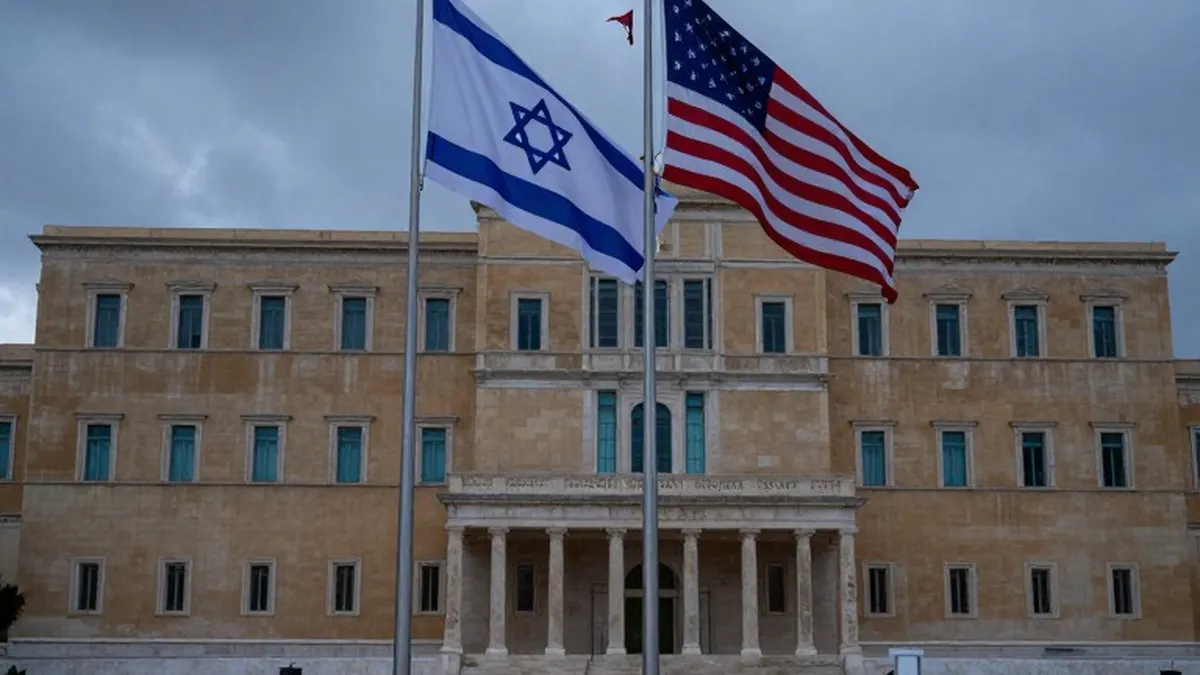
Israel's long-held assumptions about its alliance with Washington have been shaken by the results of the US midterm elections, with a prominent journalist writing in the country's biggest-selling newspaper, the right-leaning Yedioth Ahronoth: "For us in Israel, this will be a generational sea change." The same writer said Prime Minister Benjamin Netanyahu's government had "sowed the wind and reaped the tsunami."
Opposition leaders have lined up to blame the prime minister, one of them saying the results showed "just how toxic Netanyahu has become" among Democrats and Republicans alike. Netanyahu himself has so far remained silent. "Israel's political establishment understood intellectually that things have been shifting. They have not understood how much and how quickly," one US official with knowledge of the situation said.
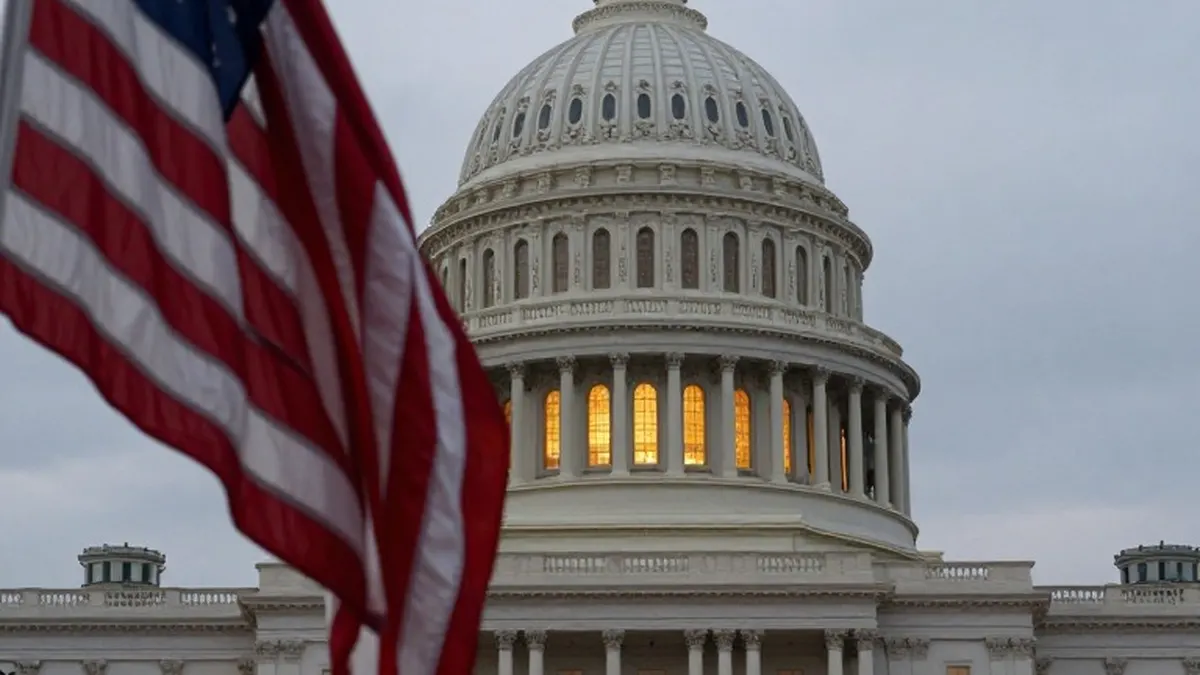
The relationship with Israel was a campaign issue in races across America. Many Democratic candidates sharply criticised Israel's actions in Gaza and the occupied West Bank, and the costs of the joint US-Israeli war on Iran weighed with voters. The US president himself blamed the Iran War for the Republican rout, a conflict Israel's leader is widely seen as having promoted to him. Vice-President JD Vance then cited the relationship with Israel as one of four key reasons voters had deserted the party.
"That might be even worse than what happened in the midterms," Israeli political and security analyst Yaakov Katz said. "Because the Democrats we knew about, now [Vance] is pointing the finger and saying: 'Our voters want us to change our position on Israel' and Israelis don't fully understand where this is going."
The sense of staunch US military and diplomatic backing had held firm in Israel despite growing anger among American voters, Trump's public insults toward Netanyahu and differences over Israel's actions in Iran and Lebanon. Just nine months ago, Israeli forces waged war on Iran alongside the US military, with the "unprecedented" coordination of the two allies becoming a daily mantra among military spokespeople and politicians.
Against that backdrop, Trump's unexpected statement in a Fox News interview this week that he would stop the $3.8bn in annual US military aid to Israel two years earlier than planned caused shock, less for the loss of the money than for what it signalled about Israel's standing. Israel's president called the announcement "a bolt from the blue," and Yedioth Ahronoth ran the headline "Nobody knows anything," reporting that officials were still struggling two days later to establish whether the remark was serious. The prime minister's office eventually responded that a shift from aid to partnership demonstrated "the strength and sophistication" of the bilateral relationship.
US military aid amounts to less than 10% of Israel's annual military budget, but Katz said the announcement raised a much larger question over future funding, arms sales and joint military projects, all of which could be slowed or stalled by a Democrat-controlled Congress even without the two-thirds majority needed to overrule Trump. "Everything that Israel used to get in a simpler, easier process will now potentially be much more complicated, and Israel has to be prepared that this is a new reality," he said. "Our entire Air Force is American-made military planes, we're dependent on American spare parts and American weapons." He warned that any change in the pace of deliveries of missile-defence systems would alter Israel's calculation of what it could withstand in a war, and said the midterms could also bring tougher demands over Gaza and Lebanon and a requirement not to undermine an agreement with Iran.
"Something will change in the US-Israeli relationship, but it's a question of scale," the US official said, suggesting Washington would be more willing to criticise Israel when warranted while the "bedrock fundamental relationship" endured. US Ambassador to Israel Mike Huckabee signalled little shift so far in core American positions, including on Israel's occupation of the West Bank, describing sanctions imposed by other countries as "irrational" and counterproductive. Israel's ambassador to the UN, Danny Danon, noted Trump would be in the White House for the next two years and that Israel could "feel good" about the US veto in the UN Security Council. "But we have to pay attention to the voices, not only in the Democratic Party but also the Republican Party, criticising Israel," he said. "It will be harder for us."
The questions over Israel's key alliance come at a sensitive moment, less than two weeks after parliamentary elections left neither government nor opposition with a clear majority. The country's president is now weighing whether Netanyahu or his centrist rival Gadi Eisenkot gets the first chance to form a coalition. "Under my leadership, we will renew and deepen that partnership, strengthen the bipartisan foundations that have long sustained it," Eisenkot said in a social media post. Fellow opposition figure Yair Lapid said Israel should return to the rule that "broke in 2015 when Netanyahu went to speak against [US president] Obama in Congress. Israel doesn't choose sides in America. We work with everyone." That 2015 speech, when Netanyahu appealed over a Democratic president's head to urge Republicans to reject the Iran nuclear deal, is seen as a defining moment, and the US official said that before the midterms Netanyahu could have improved ties by removing his two far-right ministers, adding: "I think everyone understands now it's bigger than [that]."