The anniversary of the Berlin Wall's fall carries particular significance for Palestinians in the occupied West Bank, where a massive barrier continues to separate communities from their land and families. On November 9, 1989, the Berlin Wall collapsed, ending 28 years of division in the city. Now, three decades later, this date marks an international day of action against Israel's separation wall, a structure that has been under construction since 2002.
The two barriers share historical resonance but differ greatly in scale and placement. The Berlin Wall was built by East Germany in 1961 to prevent citizens from fleeing to the West, encircling West Berlin for 155 kilometers. In contrast, the Israeli barrier is planned to stretch 712 kilometers and runs primarily deep inside Palestinian territory rather than along the international boundary. In urban areas, the concrete sections of the West Bank wall rise to approximately nine meters, more than double the height of the Berlin Wall.
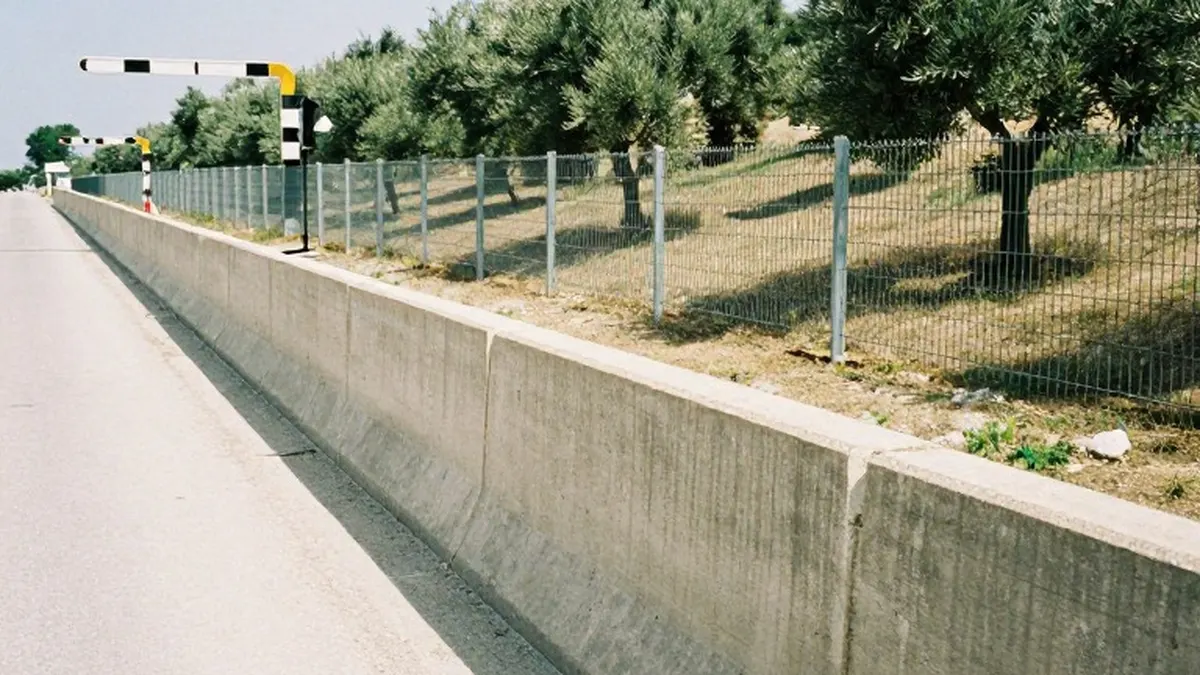
Although the International Court of Justice declared the barrier illegal in 2004, construction has continued. According to the United Nations Office for the Coordination of Humanitarian Affairs, about 64 percent of the planned route, or 456 kilometers, had been completed by April 2026. Approximately 85 percent of this route lies within the West Bank, cutting off specific communities, roads, and agricultural land from their surroundings. The barrier's composition varies, featuring concrete walls in cities and a mix of fences, patrol roads, and ditches in other areas.
The physical structure is part of a broader system of movement restrictions. The wall operates alongside checkpoints, roadblocks, and permit systems that regulate Palestinian travel. More than 14,000 Palestinians live in the Seam Zone, the area between the wall and the 1949 armistice line known as the Green Line. Residents in this zone must pass through checkpoints to access basic services, markets, and relatives on the other side.
Agricultural communities face significant challenges due to the barrier's route. About 150 Palestinian communities have land in the Seam Zone, but access to these fields depends on permits and coordination with Israeli authorities. There are approximately 62 agricultural gates along the wall, yet most remain closed for much of the year. During the olive harvest in 2025, 74 percent of these gates were open only on limited days, disrupting farm work and livelihoods.
In the city of Qalqiliya, the wall wraps around much of the urban area, isolating it from neighboring Palestinian communities and surrounding land. Journeys that were once short now require long detours or passage through security checkpoints. This reshapes daily life and alters how communities interact with their local environment and farmland.
The wall is one component of a wider network of obstacles across the West Bank and occupied East Jerusalem. As of December, humanitarian agencies documented 925 such obstacles, including checkpoints, earth mounds, and road gates. These restrictions affect approximately 3.4 million Palestinians, often forcing lengthy detours to reach work, school, or hospitals. The composition of these obstacles has shifted over the last two decades, with checkpoints and road gates now accounting for nearly 60 percent of the total, a significant increase from 15 percent twenty years ago.
Crossing the wall itself is a complex process for Palestinians. Of the 13 checkpoints on the barrier, only three are accessible to those with West Bank identity cards and Israeli-issued permits for East Jerusalem or Israel. These permits have become increasingly difficult to obtain, with many being revoked or suspended since the start of the conflict in Gaza in October 2023.
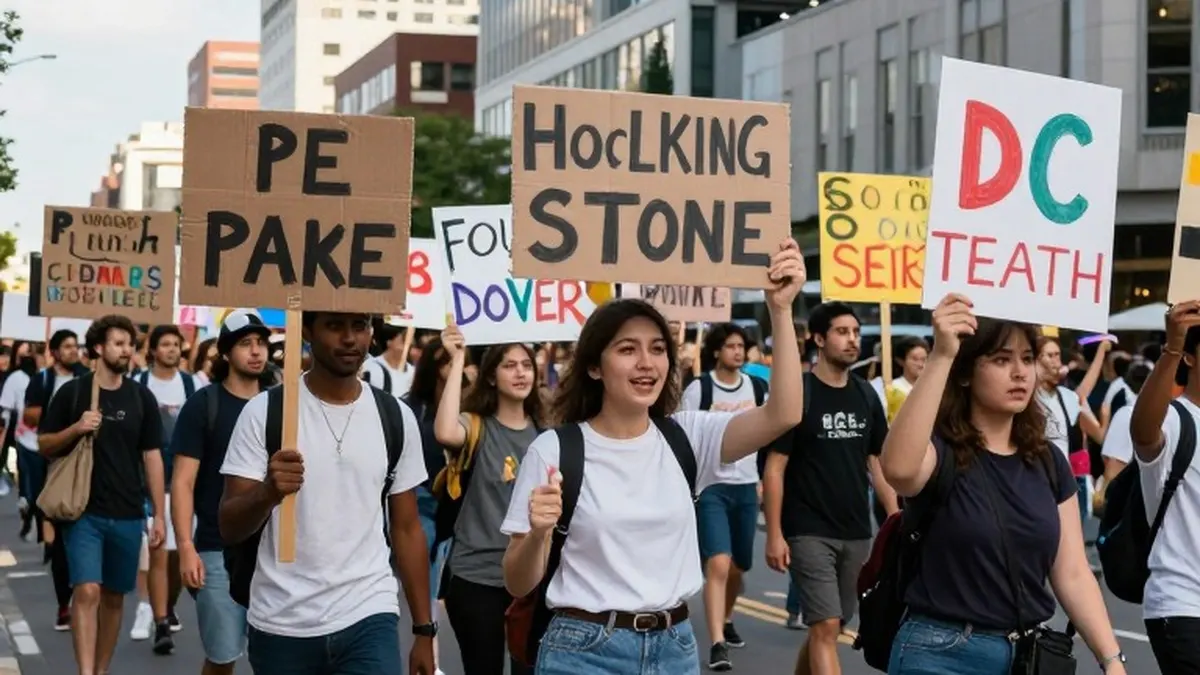
For many Palestinians, the comparison to Berlin serves as a symbol of hope and resistance. Activists in the West Bank point to the fall of the Berlin Wall as a precedent, suggesting that barriers, no matter how high, are not permanent. One activist in Bir Nabala noted that like the Berlin Wall, the Palestinian wall will eventually fall, highlighting the enduring struggle for freedom of movement and connection to the land.
The impact of the barrier extends beyond its physical dimensions. It is measured in the farmland farmers struggle to reach, the communities isolated from nearby towns, and the security points that stand between people and their destinations. As the anniversary approaches, the wall remains a central feature of life in the occupied territories, shaping the daily realities of millions.