The United States Embassy in Riyadh issued a directive on Saturday instructing American nationals in the Middle East to maintain a high level of alert. This warning followed a series of attacks by Yemen’s Houthi forces against Saudi Arabia and concurrent threats from Iran regarding the safety of US officials stationed in the region.
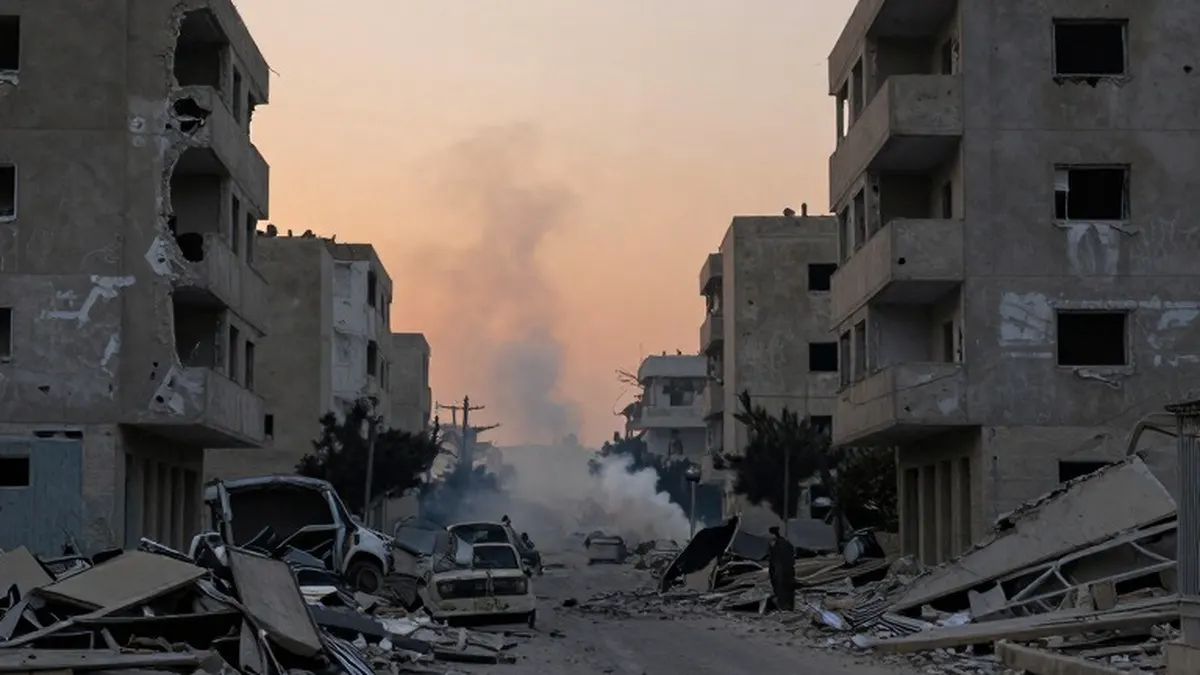
In a public statement posted on the social media platform X, formerly known as Twitter, the embassy detailed the scope of the recent hostilities. The officials noted that the Iran-aligned Houthis have engaged in aggressive actions against Saudi territory. These operations included strikes on civilian airports and other essential infrastructure, leading to casualties among non-combatants and significant disruptions to travel routes.
The diplomatic mission emphasized that the current conflict carries a significant risk of expanding. The statement warned that the hostilities have the potential to escalate quickly beyond the immediate areas currently affected by the strikes, suggesting a broader regional impact.
These developments follow intelligence disclosures made in October. Iranian officials spoke to the New York Times, describing US officials as fair game for retaliation. This stance was attributed to the fact that Israel and the United States had previously attacked and killed numerous Iranian officials, along with several of their family members.
Furthermore, Iranian representatives confirmed intelligence reports suggesting that Tehran is actively working to enhance its capacity to carry out assassination plots. The targets of these potential operations include both US government officials and ordinary civilians within the region.
The threat has become personal for some US leaders. On Friday, US Treasury Secretary Scott Bessant confirmed that he was compelled to vacate his private residence. He relocated to a military base after receiving credible threats of an assassination attempt from Iranian actors.
In response to the aerial threats, the Saudi-led coalition fighting against Yemen’s Houthis announced that it successfully intercepted and destroyed two drones on Saturday. The unmanned aircraft had been launched by the Iran-aligned group toward the Saudi capital, Riyadh, as well as the kingdom’s southern region.
The intensity of cross-border fighting has increased in recent days. The conflict involves the Saudi-led coalition, which supports Yemen’s internationally recognized government, and the Houthis, who control the capital city of Sanaa. This escalation occurs against the backdrop of growing tensions between Washington and Tehran.
The situation highlights the complex web of alliances and rivalries in the Middle East. As the Houthis continue to target Saudi infrastructure, the US and its allies monitor the potential for further retaliation from Iran, which has signaled a willingness to target American interests directly.
Diplomats and security experts are closely watching the next moves from both Riyadh and Tehran. The combination of direct attacks on civilian infrastructure and specific threats against high-ranking US officials suggests a new phase in the regional standoff.