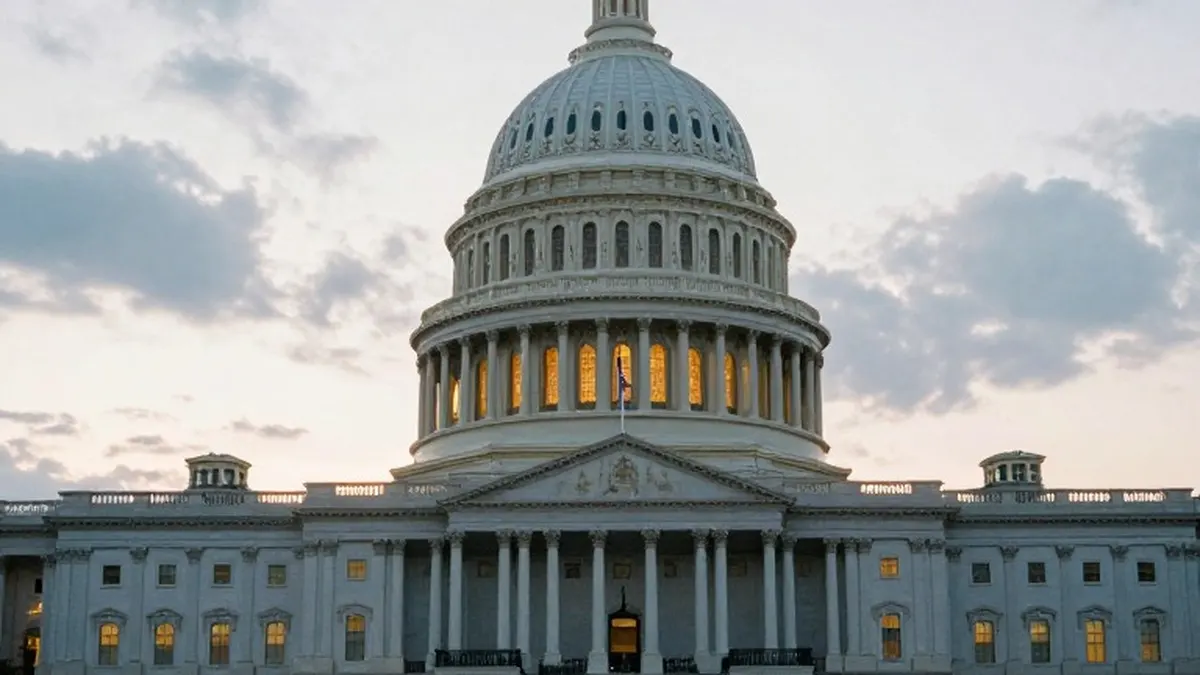
Vice-President JD Vance blamed the Iran war for Republicans' midterm election defeat in a statement on Wednesday, prompting questions about whether he was beginning to distinguish himself from President Donald Trump before a possible presidential campaign in 2028. Democrats won control of both the House of Representatives and the Senate.
In a 600-word post on X, Vance acknowledged that voters who supported Trump in 2024 had moved away from Republicans. "The reason we lost is the war," he wrote, adding that the president had reached the same conclusion the previous night. Trump had acknowledged the conflict's contribution to the losses in interviews late Tuesday and Wednesday, while continuing to defend it.
Vance has publicly supported the conflict since the United States and Israel attacked Tehran in February. However, he has reportedly voiced opposition during private discussions with administration officials. His statement brought those differences into public view by arguing that supporters of the war should acknowledge its political cost and explain why they considered that cost justified.
Trump accepted much of Vance's assessment, saying the election outcome was "largely" attributable to the war, but maintained that he would "do it again" under the same circumstances. Asked about the vice-president's post, Trump said he knew Vance's views and considered the statement acceptable. He also asserted that the military action had prevented Iran from acquiring a nuclear weapon.
Daniel Byman, a foreign policy expert at the Center for Strategic and International Studies, described the statement as an apparent attempt by Vance to separate himself politically from Trump. Byman said establishing such differences would require careful handling if Vance pursued the presidency. Republican strategist Ashley Davis told the BBC that Vance was testing his approach.
The post also outlined four priorities for recovering electoral support: ending the war, addressing living costs and inflation, putting America first and changing the United States' relationship with Israel. Those proposals could offer an indication of the themes Vance might emphasise in a future campaign. He avoided naming Trump directly and credited unnamed pollsters with much of his interpretation of the election results.
The extent of the disagreement remains uncertain. The New York Times reported that Vance showed Trump the statement before publishing it. Although Vance is expected to seek the presidency, he has not announced a decision, and aides say he is still considering his options. The BBC has requested comment from his office.
Trump has not identified his preferred Republican successor for 2028 or said whether or when he would endorse a candidate. He has praised both Vance and Secretary of State Marco Rubio. With the next presidential election two years away, Vance's statement has added to questions about the party's direction after Trump.