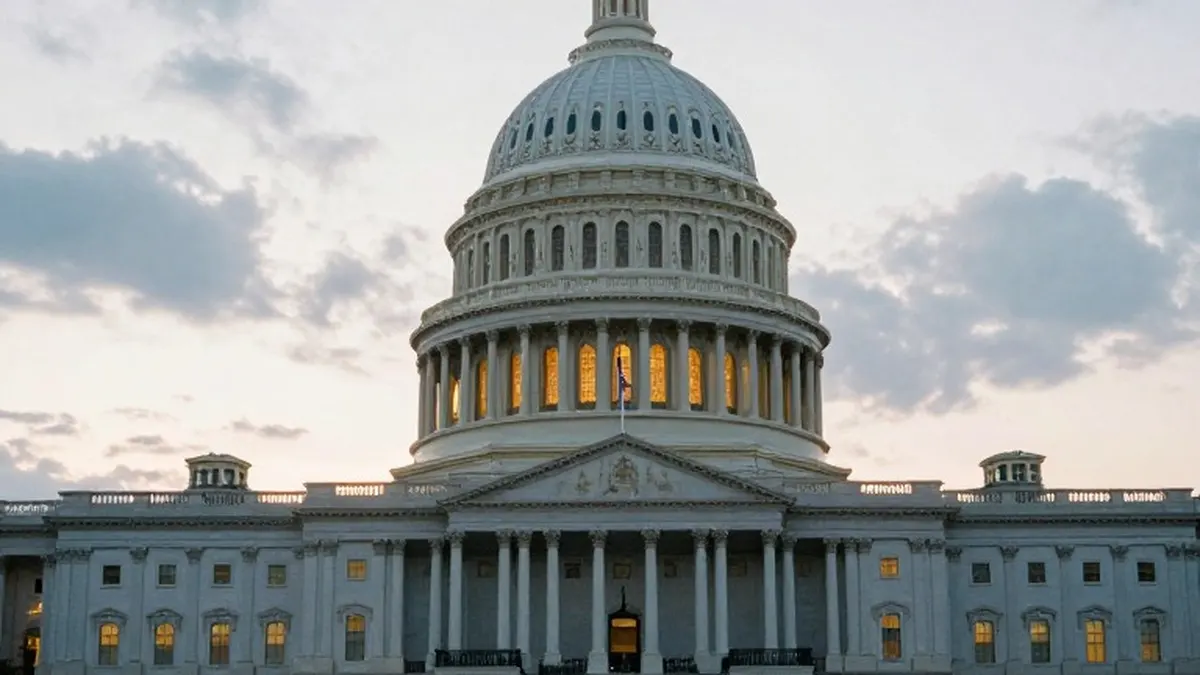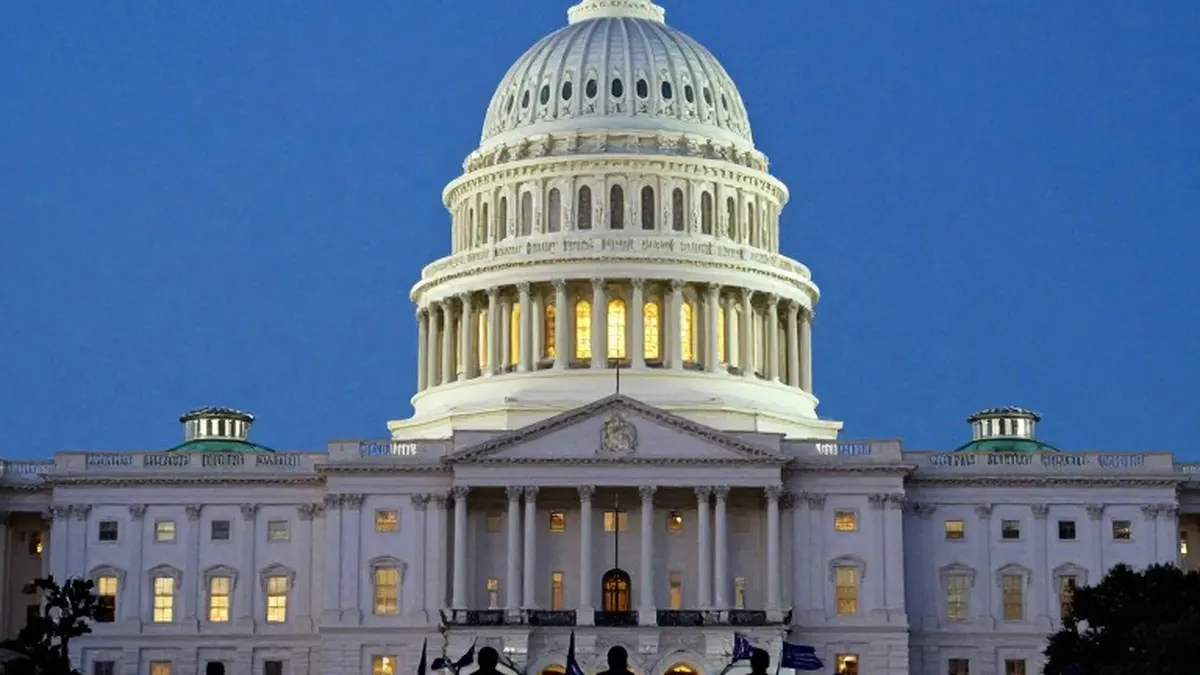
Democrats secured a historic victory in the midterm elections on Tuesday, winning control of both the House of Representatives and the Senate. This overwhelming mandate has placed the party in a position to advance a legislative agenda that many analysts believe will increase hostility toward Israel in Washington. The results signal a significant shift in Democratic politics, with anti-Zionist views becoming more normalized within the party's ranks.
The Democratic Socialists of America, or DSA, quickly touted its success, highlighting the election of several candidates who have campaigned on strong pro-Palestinian platforms. Incoming Representative Darializa Avila Chevalier from California led supporters in chants for 'Babies, not bombs' while wearing a keffiyeh. In her victory statement, she demanded the Palestinian right of return and called for a full arms embargo, arguing that ending military aid alone is insufficient.
Other newly elected officials have echoed these sentiments. Michigan Senator Abdul El-Sayed stated that Palestinian children should be able to grow up in their ancestral lands without being affected by US tax dollars. Representative-elect Melat Kiros of Colorado called for holding powerful figures accountable for complicity in what she described as a genocide. These statements suggest that the new wave of lawmakers is not merely critical of the current Israeli government but is actively opposing the state's existence as a Jewish-majority nation.
President Donald Trump announced on Tuesday that the United States would soon end military aid to Israel. However, far-left politicians did not celebrate this move as a final victory. Instead, they used the announcement to argue that the goalposts had moved, demanding more drastic measures such as a total ban on military sales. Representative Ro Khanna of California pledged to change policy to ensure zero aid to Israel upon taking back Congress, while Kiros emphasized the need to end the conflict using all available leverage.
The DSA platform explicitly supports the right of return, which would allow millions of Palestinians claiming refugee status to enter Israel, potentially altering its demographic majority. The organization also champions the Palestinian right to resist. This stance distinguishes the new crop of leftist lawmakers from the party's center, where many members are critical of Israel but not necessarily opposed to its continued existence as a Jewish state.
New York City Mayor Zohran Mamdani played a key role in this shift, having won his own historic election last year. He helped boost the primary campaigns of several harsh critics of Israel who are now entering Congress. While many of these candidates won in deep blue districts, El-Sayed's victory in a statewide Michigan race marked a more significant milestone for the movement, demonstrating that hardline positions could succeed in broader electoral contexts.
Despite the rise of the far left, moderate Democrats who are more supportive of Israel also scored resounding wins. In New York City, several moderate representatives secured easy victories, and Governor Kathy Hochul retained her seat. Similarly, moderate leaders like Representative Hakeem Jeffries and Senator Chuck Schumer will hold large majorities in their respective chambers. This balance provides a cushion against dissenters, though the leftists are expected to push the party toward more anti-Israel positions, potentially creating intra-party conflict.
The election results have created a complex dilemma for American Jews, who are predominantly Democrats and generally support Israel. Many are relieved by the defeat of President Trump, whom polls show they oppose alongside Prime Minister Benjamin Netanyahu. However, the rise of anti-Israel measures within the Democratic Party complicates their political alignment. Some Jewish leaders have urged their community to prioritize global needs over specific interests, even if that means supporting candidates with hardline stances.
Anti-Israel policies are already gaining traction at the local level, with municipalities in New England advancing related measures. The Anti-Defamation League has expressed concern about the rhetoric of incoming DSA representatives, noting that it often normalizes antisemitism or conditions Jewish participation in public life. As the new Congress convenes, the interplay between moderate leaders and the energetic far-left base will determine how effectively these policies are advanced.
The long-term implications for US politics remain uncertain. It is unclear whether anti-Zionism is a winning campaign platform for the general public, as many voters did not prioritize foreign policy in this election. Nevertheless, the DSA claims momentum, with its co-chair Megan Romer stating that the movement is just getting started. The organization asserts that its backed candidates secured over 40 million votes, signaling a growing influence that could shape the 2028 presidential race and future party dynamics.