The continuing war in Iran is creating a domestic political problem for U.S. President Donald Trump and his Republican Party ahead of next week's midterm elections. Eight months after American and Israeli strikes began, the resulting oil crisis has pushed up fuel costs, linking a foreign conflict to the household expenses weighing on voters.
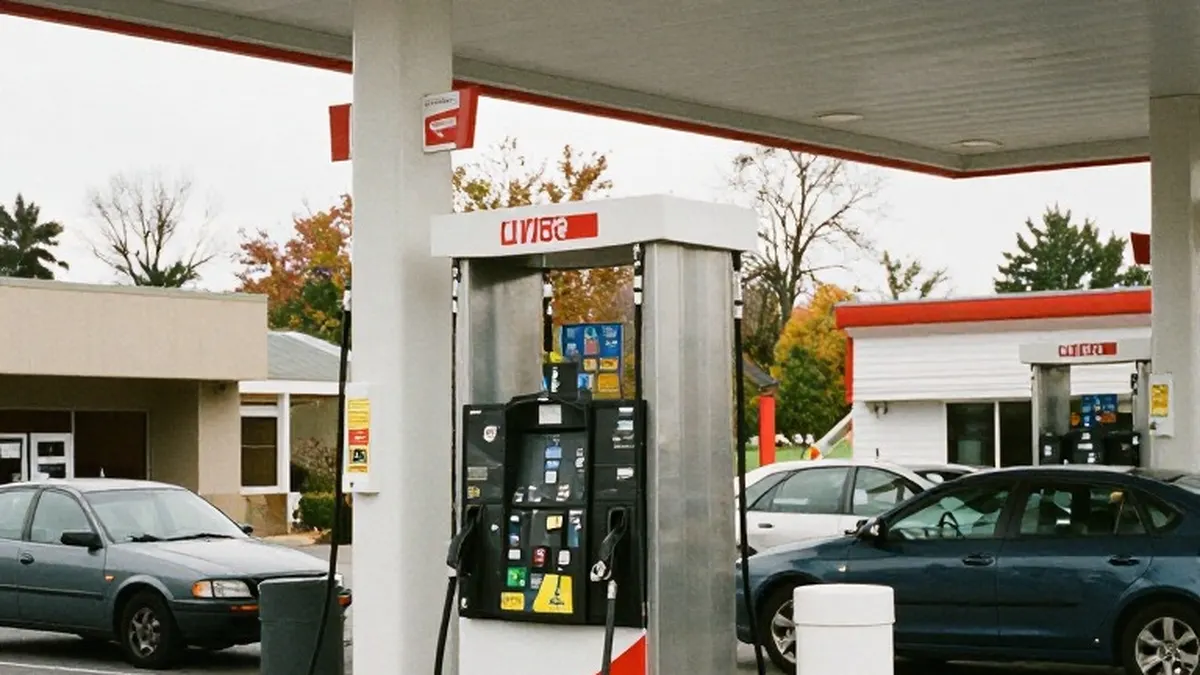
Oil cost $67 US a barrel on Feb. 27, the day before U.S. and Israeli aircraft attacked hundreds of targets in Iran and killed much of its leadership. By March 1, it had reached $99 US and has remained near that level since. American Automobile Association figures show that average U.S. gasoline prices have risen from $2.98 US to $4.25 US a gallon.
Clifford Young, chair of Ipsos Public Affairs, said voters generally separate foreign affairs from their everyday financial concerns. In this election, however, Americans are connecting expensive gasoline and diesel to Washington's actions in the Middle East. Young said Trump's foreign policy decisions had damaged his standing at home, including among his own supporters. A Reuters Ipsos poll released earlier in October found that 78 per cent of respondents blamed Trump's policies for rising prices overall.
The conflict also sits uneasily with the promises that helped rally Trump's Republican and MAGA supporters around his America First agenda, including pulling the United States out of foreign conflicts. His administration initially projected that the Iran war would take four to six weeks. Despite its military strength, Washington has been unable to bring the fighting to an end.
Aaron David Miller, a former U.S. Middle East negotiator now at the Carnegie Endowment for International Peace, said the administration had underestimated Iran's ability to widen the conflict and exploit vulnerabilities around the Strait of Hormuz and the Gulf states. Pew Research Center polling shows that nearly two-thirds of Americans disapprove of the war. Opposition has increased among Republicans and Republican-leaning independents, even though the conflict was broadly unpopular from the outset.
Trump's wider foreign policy record includes helping secure the release of the remaining hostages held by Hamas in Gaza and brokering a fragile ceasefire between Hamas and Israel. He has also had strained relations with NATO allies, including Canada, and moved the United States away from Ukraine. His recent lifting of sanctions on Russia was intended to lower oil and diesel prices.
Foreign policy itself ranked as the leading voting issue for just five per cent of respondents in a recent Marist/NPR/PBS News poll. By comparison, 34 per cent named the cost of living as their main concern. The fuel price increases associated with the Iran war bring those two issues together, creating a potential electoral liability for Republicans.
Midterms commonly test voters' views of the president, and the party holding the White House usually loses congressional ground. Current polling points to Democrats winning the House, while control of the Senate remains uncertain. Republicans have a four-seat Senate majority. Of the 33 seats being contested this cycle, Republicans hold 20 and Democrats hold 13.