Swedish climate academic Andreas Malm has strongly criticized a recent travel ban imposed by the UK government, describing the move as a drift into authoritarianism. Malm, known for his book How to Blow Up a Pipeline, stated that he was kept in the dark by immigration authorities regarding the specific reasons for the revocation of his electronic travel authorisation.
According to Malm, he was only informed that his presence in the United Kingdom was not considered conducive to the public good. In an interview with BBC Radio 4’s Today programme on Friday, he suggested that the likely trigger for the ban was his scheduled appearance at a conference the following Wednesday. He was set to join a panel alongside Huda Ammori, a co-founder of the proscribed group Palestine Action.
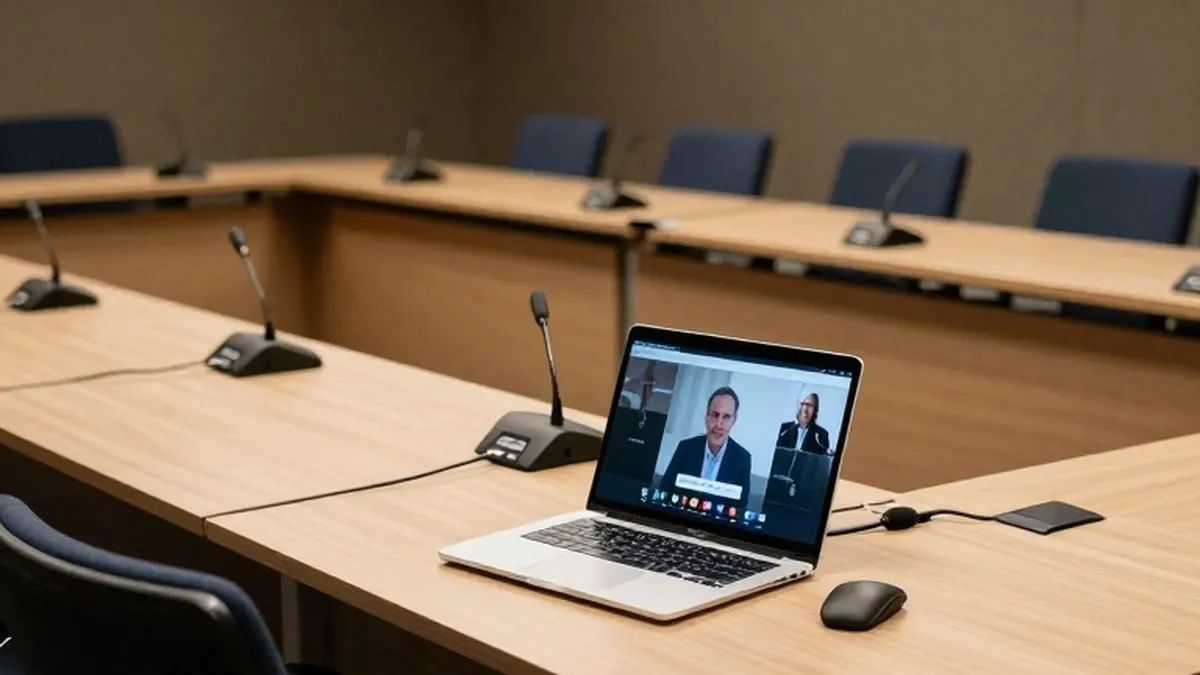
Malm expressed surprise at the logic behind the decision, noting that sharing a stage with Ammori seemingly made him a figure associated with terrorism. He called the situation scandalous and viewed it as a small part of a larger trend targeting the Palestine and climate movements. Despite the ban, he confirmed that he would participate in the event organized by Tribune magazine via video link.
While speaking to the BBC, Malm denied that he had supported or helped finance Palestine Action, although he acknowledged that his long-standing campaign for Palestinian rights made his sympathies clear. He noted that his views on the events of 7 October 2023 had been public for a long time, and he had last visited the UK in May. He argued that he had not publicly promoted the group in any way.
Malm explained that the conference panel was intended to discuss the war in Iran and the drivers of imperial aggression in the Middle East. He questioned the extent of guilt by association, asking where the line would be drawn if speaking with Ammori made him a threat to the public good. He suggested that this logic could eventually apply to anyone who spoke with him.
The Home Office stated that it could not discuss individual cases but confirmed through a source that decisions to cancel an ETA based on public good grounds are made solely after assessing the potential risk an individual poses to UK society. Malm expressed frustration at the lack of concrete evidence or clarification provided to him, noting that he had repeatedly asked for an explanation.
The decision has drawn widespread criticism from across the political and cultural spectrum. Author Sally Rooney described the ban as a sad and frightening act of cultural self harm. Zack Polanski, the leader of the Green Party, posted on X that the move felt like an extraordinary attack on free speech by the current Labour government.
Labour MP Clive Lewis warned that when governments begin barring academics for their political views, alarm bells should be ringing. He argued that if ministers have evidence Malm is dangerous, they should produce it, otherwise it appears to be political censorship dressed up as public safety. Huda Ammori also took to X to call the ban a disgusting attack on free speech resulting from the draconian prohibition of her group.
Neal Lawson, director of the thinktank Compass, expressed shame at the government's illiberal attempts to stifle legitimate voices. Former shadow chancellor John McDonnell highlighted the irony of censoring someone who wished to discuss censorship, describing Home Office policy-making as a dangerous farce. The controversy centers on Malm's work, which argues that sabotage and property destruction are justified forms of activism.
The incident has intensified discussions about the balance between national security and the freedom of academic expression in the UK. As the debate continues, the focus remains on whether the criteria for the public good are being applied consistently or if they are being used to filter out dissenting voices from public discourse.