BP reported its largest quarterly profit in 18 years on Friday, 30 October, as the Middle East war pushed up oil and gas prices, strengthened refining returns and increased trading income. Underlying replacement cost profit, a key earnings measure, reached $8.46bn (£6.3bn), nearly four times the $2.2bn recorded a year earlier and above analysts’ forecast of $7.3bn. It was the highest quarterly figure since BP earned $8.9bn in 2008.
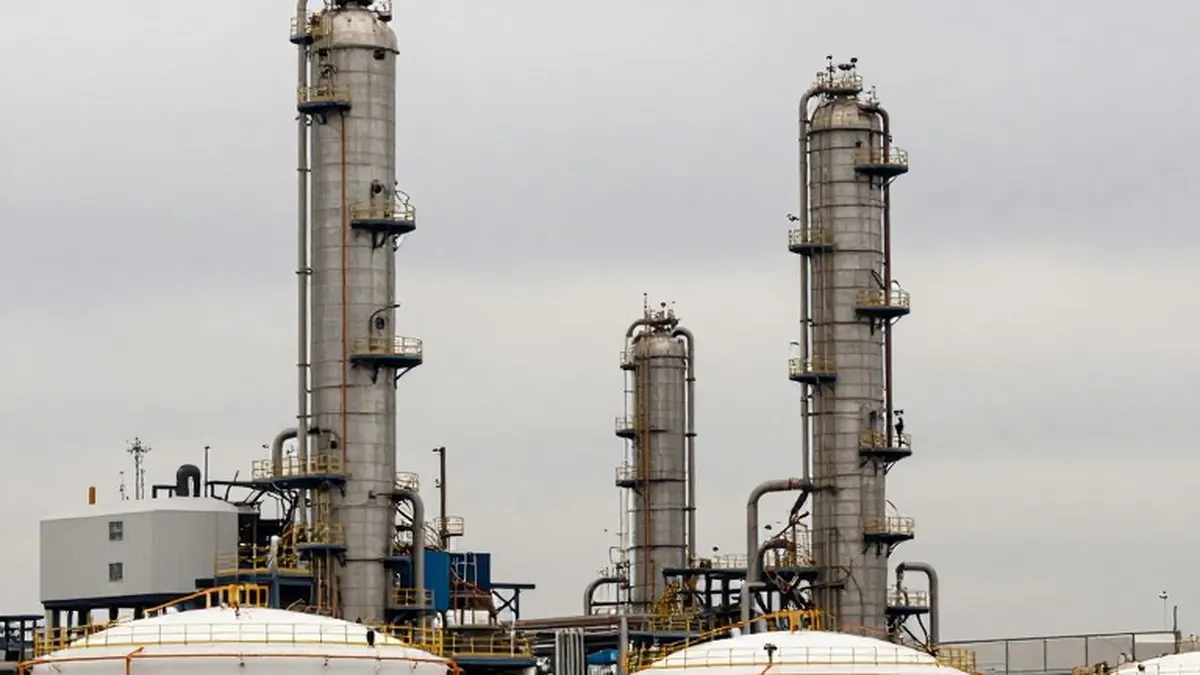
The refining business benefited from a sharp widening in the gap between crude oil costs and the prices of finished fuels, including gasoline and diesel, earning almost $47 per barrel produced. Chief executive Meg O’Neill told Bloomberg TV that strong margins and operating performance at BP’s refineries had helped the company take advantage of market conditions.
Global oil prices have stayed below their 2022 energy crisis peaks, but severe refinery disruptions in the Gulf region and Russia have helped drive pump prices for fuels including diesel to record levels across the UK, Europe and the US in recent months. O’Neill said refineries were operating near capacity to compensate for shortages, ships were taking longer routes and releases from commercial and strategic reserves were helping cover supply gaps.
British motorists are paying an estimated 198.79p a litre for diesel, according to the RAC. Average petrol prices have climbed to 172.92p a litre from 132.83p in late February, before the latest Middle East conflict. BP’s results follow announcements from Shell and France’s TotalEnergies of their strongest profits since 2022, also supported substantially by refining earnings.
Climate campaigners criticised the contrast between oil company profits and pressure on household finances. Jonathan Noronha-Gant of Global Witness called it “obscene” that polluters were profiting from the Iran war while civilians suffered. He said many people across Europe were struggling with living costs and heating bills as winter approached. Friends of the Earth’s Danny Gross criticised BP for expanding oil and gas production and reducing renewable investment while households struggled to pay their bills.
The additional earnings generated during the US-Israeli war on Iran have raised questions about how oil companies will spend the money. BP said it would direct excess cashflow towards paying its remaining liabilities from the 2010 Deepwater Horizon spill in full. The previous week, it announced an agreement providing Louisiana with an accelerated $350m lump-sum payment to resolve spill-related claims and settle longstanding coastal damage litigation brought by local parishes.
O’Neill is expected to present her first major strategy update on 15 December. Market observers anticipate plans to increase oil and gas output, alongside a possible resumption of share buy-backs from next year.
BP’s restructuring also includes a proposed sale of its UK North Sea oil and gas assets, potentially worth between £2bn and £2.5bn. In August, O’Neill said the company had received strong interest in its five major production hubs: Andrew and ETAP in the central North Sea, and Glen Lyon, Clair and Clair Ridge west of Shetland.
Neo Next+, Ithaca Energy and Adura have been identified as potential buyers. Adura is the joint venture behind the Jackdaw and Rosebank fossil fuel developments.
The company also appointed Ian Tyler as chair in September, following a search lasting several months after Albert Manifold was ousted. The appointment was intended to help BP move beyond years of boardroom turmoil.