New York City is facing a growing crisis as fires caused by lithium-ion batteries in electric bikes and scooters have become a frequent and deadly occurrence. Residents across the city are increasingly fearful, yet officials acknowledge that the infrastructure needed to mitigate these risks has been slow to materialize. The situation has intensified significantly this year, prompting urgent calls for action from local leaders and safety experts.
The New York Fire Department reports a dramatic uptick in incidents involving these batteries. In 2025, the department recorded 292 fires, 51 injuries, and one death. This year, the numbers have already surpassed those figures, with more than 400 fires, 83 injuries, and 12 deaths reported so far. The rapid increase has turned what was once a relatively rare hazard into a significant public safety concern for the boroughs.
Recent tragedies have highlighted the severity of the problem. In late October, a fire in a Bronx public housing building killed four members of a family, including an 11-year-old boy. The blaze was caused by an electric bike battery located in the pathway to an exit on the 11th floor. Shortly after, a fire in a Brooklyn home claimed six lives and injured nine others, including three firefighters and two police officers. While investigators found lithium-ion batteries at the Brooklyn scene, they have not yet confirmed whether the batteries caused the fire.
City Council Speaker Julie Menin expressed deep concern over the findings, stating in a statement that the presence of such batteries is a serious issue. She declared that enough is enough and called for stronger mandates to encourage safe storage practices. Similar trends have been observed in other major cities, including London and Toronto, where overcharging and defective batteries have contributed to a rise in lithium-ion fires.
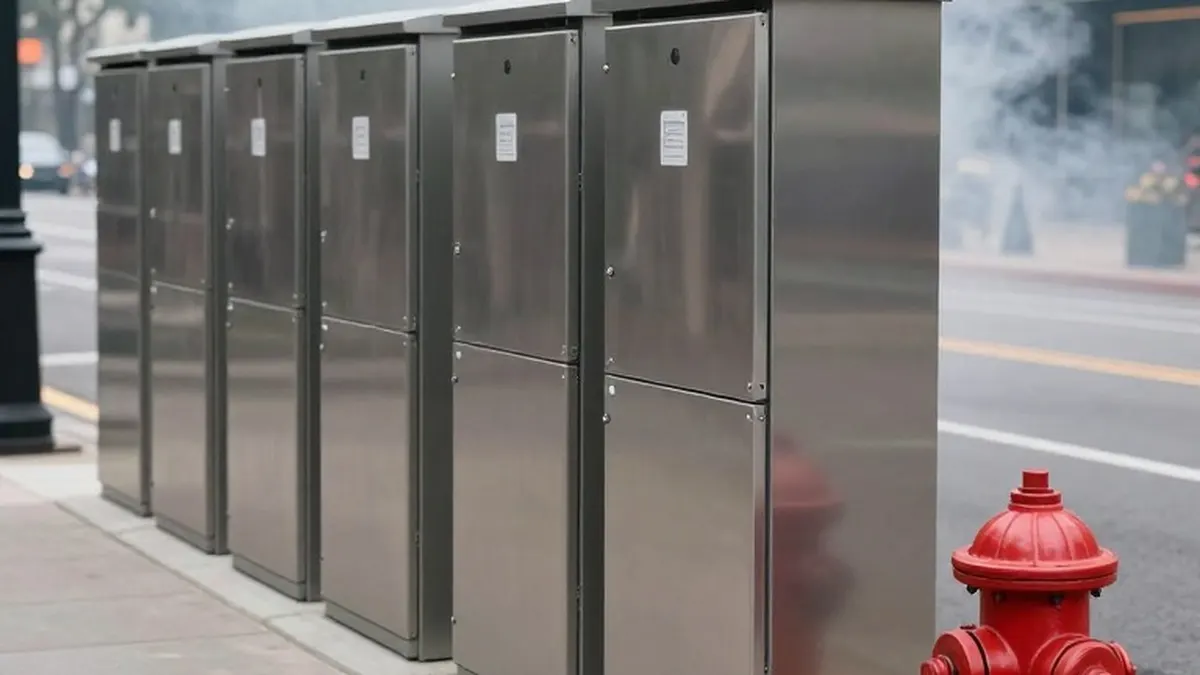
Experts point out that while the popularity of electric bikes has surged, the city has failed to execute its plans for outdoor charging stations. These stations are designed to prevent residents from plugging in batteries inside their apartments, where the risk of overheating is higher. Laura Kavanagh, a former Fire Department commissioner, noted that bureaucratic red tape has slowed progress on this new technology. She argued that it is now time to act quickly to address the danger.
The growth in electric bike usage is substantial. According to the Light Electric Vehicle Association, 2.2 million electric bikes were imported into the United States in 2025, double the number from just three years prior. In response, the New York City Department of Transportation launched a pilot program in 2024, hiring companies to provide battery-swapping cabinets for delivery workers. The pilot was successful, with riders completing over 12,000 swaps in six months and a 35% reduction in home charging among participants.
Despite the pilot's success, the rollout of permanent infrastructure has been delayed. The city announced plans to install 25 charging sites, initially targeting 2027, but now aims for 2028 after gathering public feedback. Additionally, a $25 million federal grant received in 2023 to build 173 charging stations at public housing developments has yet to yield results. Although the funds were allocated, the federal government has not provided the money, according to the transportation department.
A transportation department spokesperson stated that the city is finalizing locations for the public charging program and remains on pace to launch the service in 2028. Meanwhile, private companies like Popwheels have installed about 45 cabinets around the city. CEO Baruch Herzfeld described the permitting process for additional cabinets as ludicrous, noting that it can take six months to approve a single unit. He argued that this bureaucratic hurdle is contributing to the loss of lives.
The Fire Department has defended its regulatory approach, stating that it has been a collaborative partner with the industry. Deputy Commissioner Amanda Farinacci said that tickets issued to property owners with cabinets were for significant concerns rather than minor infractions. However, Kavanagh argued that the department is focusing on too narrow a concern, suggesting that a battery failure in an outdoor cabinet would likely cause only property damage compared to the deadly indoor fires.
In response to the recent deaths, the city council will hold an emergency meeting on November 20 to oversee the enforcement of existing laws and public education on battery safety. Mayor Zohran Mamdani emphasized that electric bike fires can cost lives and livelihoods, and the city is exploring every avenue to keep residents safe.